
Vacuum casting
At Rapid Prototyping, we employ vacuum casting as a smart next step after 3D printing a prototype. This technique allows us to produce high-quality plastic parts very similar to injection molded parts, but without the long lead time and high cost of an injection mold. Vacuum casting is fast, accurate and ideal for small batches of functional parts or visually representative models.
We guide you from 3D model to final product and ensure that each component perfectly matches the technical requirements of your project. Request an immediate, no-obligation quote.

Fast and accurate
Our processes are designed for speed without compromising on precision. This provides you with functional models that fit exactly within your design at lightning speed.

Affordable
We combine efficient production with smart planning, so you never pay too much. That way you get the most out of your budget, with no surprises afterwards.

Good quality
Our parts meet high standards and are suitable for functional testing and end use. Every detail is checked for dimensional accuracy, finish and strength.

What is vacuum casting?
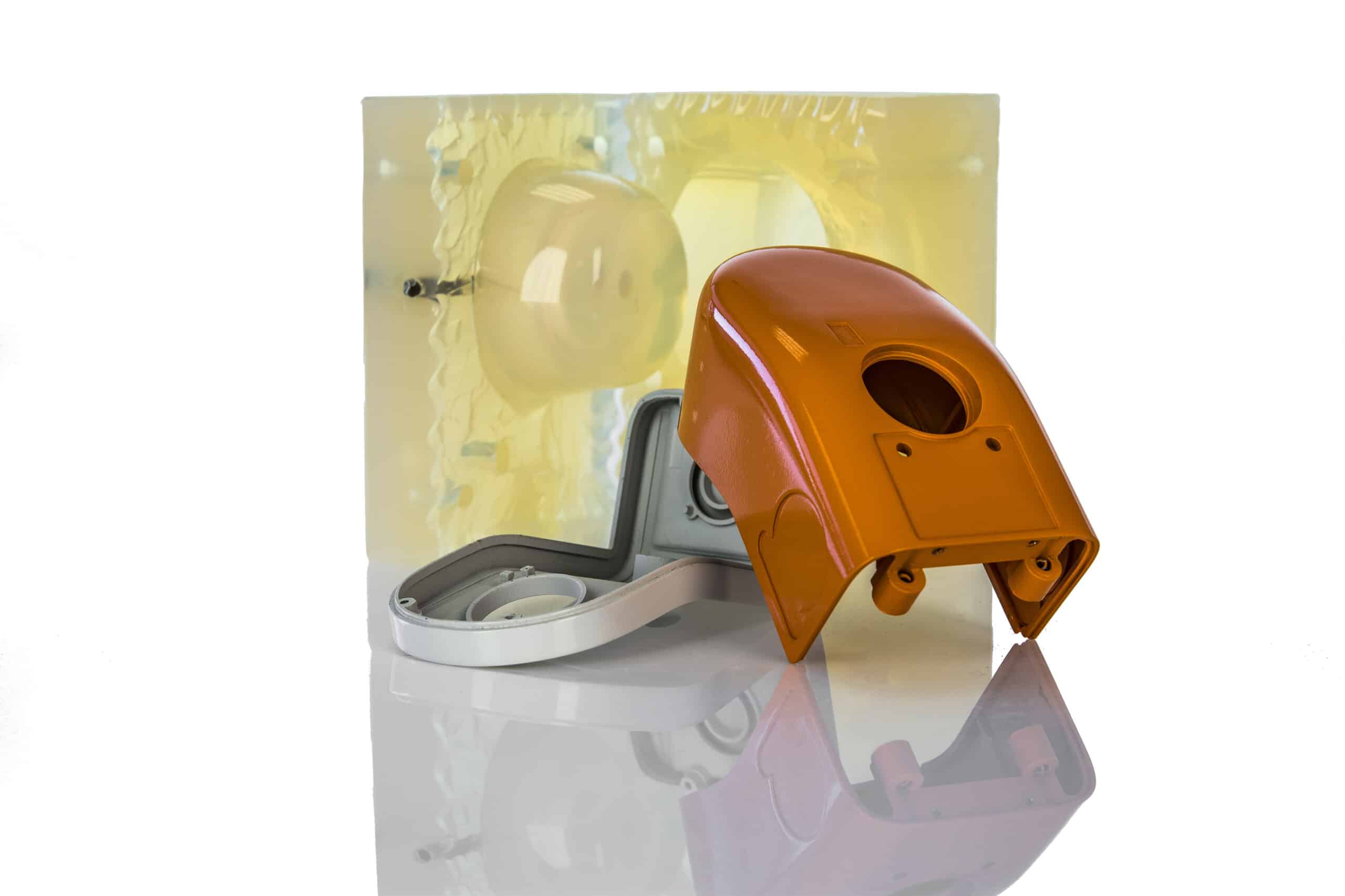
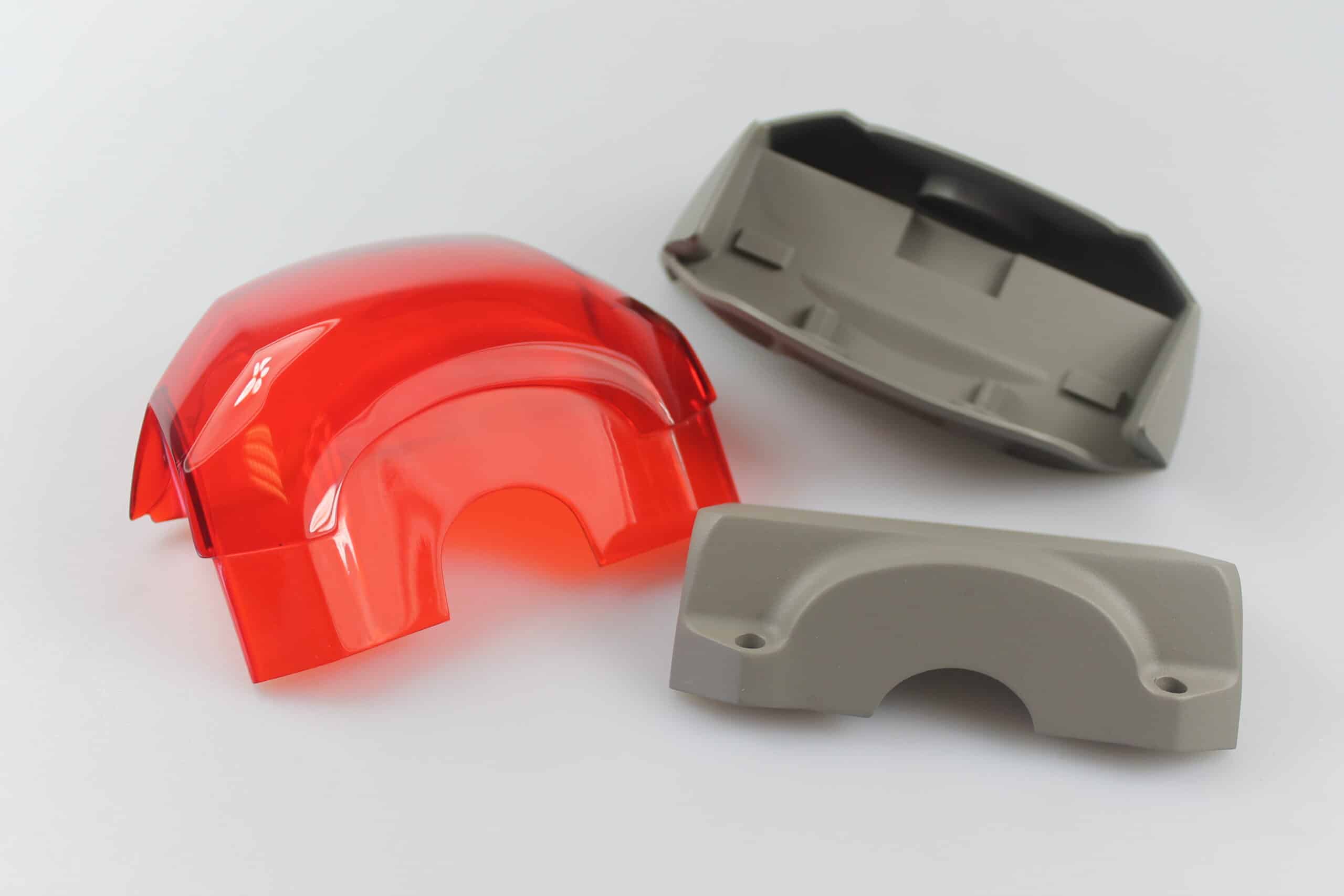
Vacuum casting is a casting technique where we pour a polyurethane plastic under vacuum into a silicone mold. It starts with a master model, often 3D printed via SLA. With this we make a flexible mold that can be reused up to 25 times. Under vacuum, we fill this mold with a casting material similar in properties to rubber, ABS or other engineering plastics.
Because the material is vacuum cast, we avoid air bubbles and casting errors. The result: dimensionally stable, tightly finished parts. Suitable for testing, presentation or immediate use. At Rapid Prototyping, we combine this technique with fast lead times and custom technical advice. You provide the design, we ensure a reliable end product.
Why vacuum casting via Rapid Prototyping?
We have been using vacuum casting for many years as a solution for customers who want fast and flexible production without compromising on quality. This technique offers:
- High dimensional stability, ideal for fit-critical parts.
- Fast delivery times, often completed within 2 to 2.5 weeks
- Custom material options from rigid to rubbery.
- Cost advantage, no need for expensive injection molds.
- Nice finish, parts can be used immediately or easily refinished.
We give you honest advice: is vacuum casting the best option for your application? Then we'll arrange it quickly and carefully. Is another technique a better fit, such as SLA, CNC or SLS? Then we'll tell you so. We always consider the manufacturability, functionality and budget of your project. For questions, contact us or schedule a consultation right away.


Request a quote directly
for your vacuum casting project
Need high-quality plastic parts quickly, without the high cost of injection molding? Upload your 3D file via our online calculator or schedule a consultation right away.
At Rapid Prototyping, we think with you. We help you choose your materials, give honest advice about the technique and ensure that you quickly have a tangible result in your hands. Start your project immediately with vacuum casting: fast, accurate and reliable.
When do you choose vacuum casting?
Vacuum casting is especially suitable for projects where you:
- Need a small batch of parts (10 to 250 pieces).
- Want to test a final product without immediately investing in tooling.
- High standards of fit, surface and material behavior.
- Looking for parts comparable to injection molded quality.
Many of our customers use vacuum casting for pre-production runs, functional tests, show models or customer demos. Fast, reliable and without large pre-investment.
Practical examples
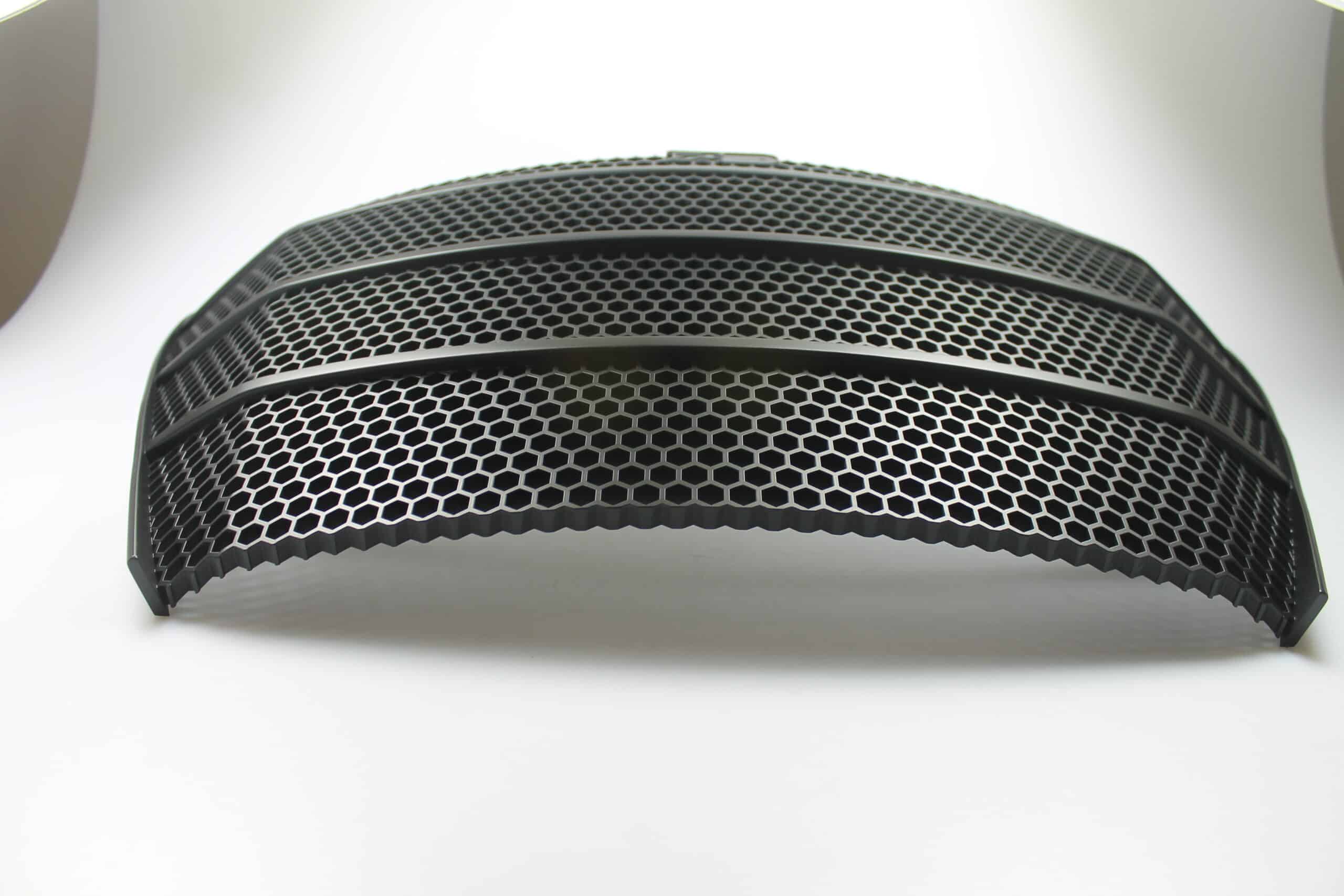
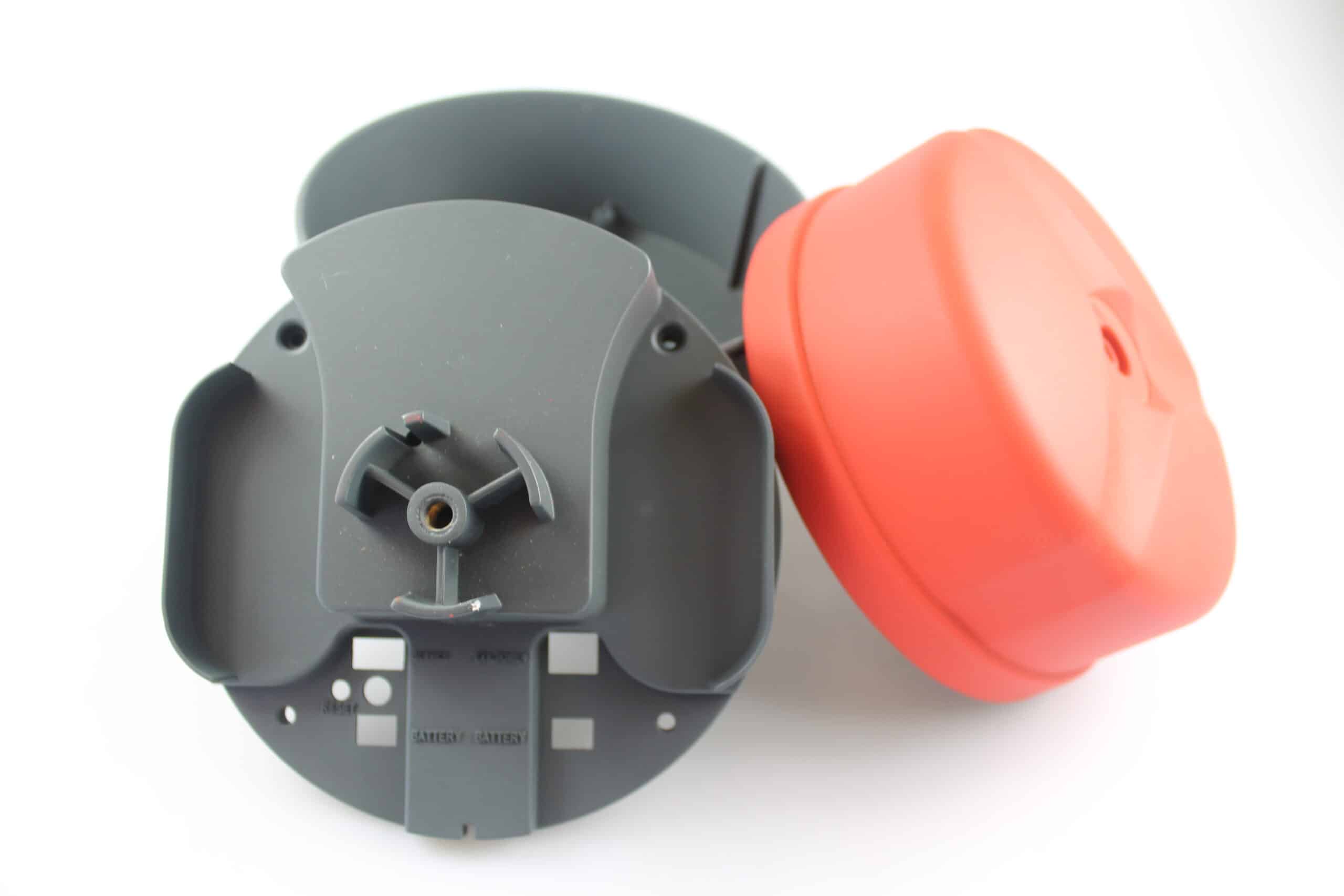
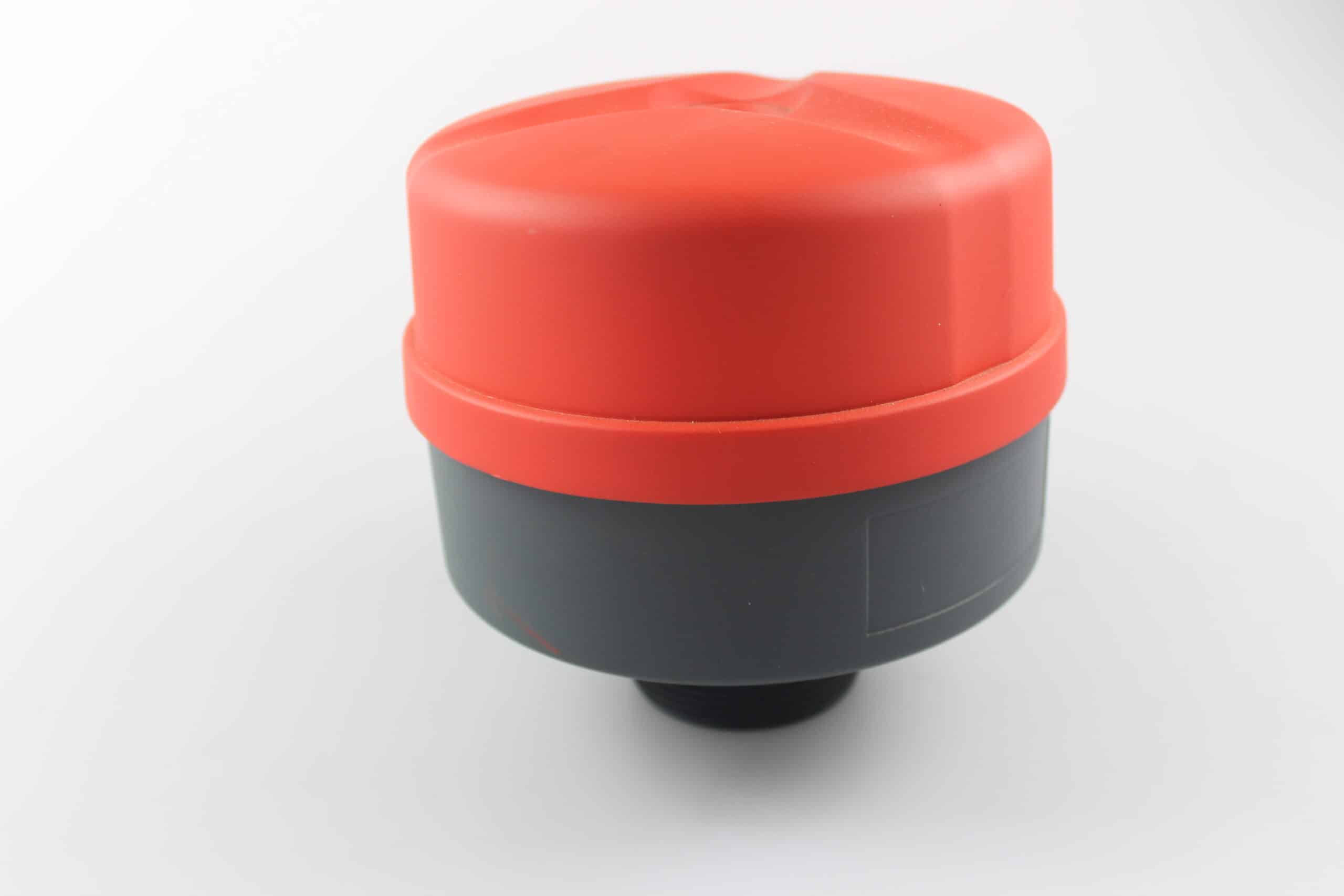
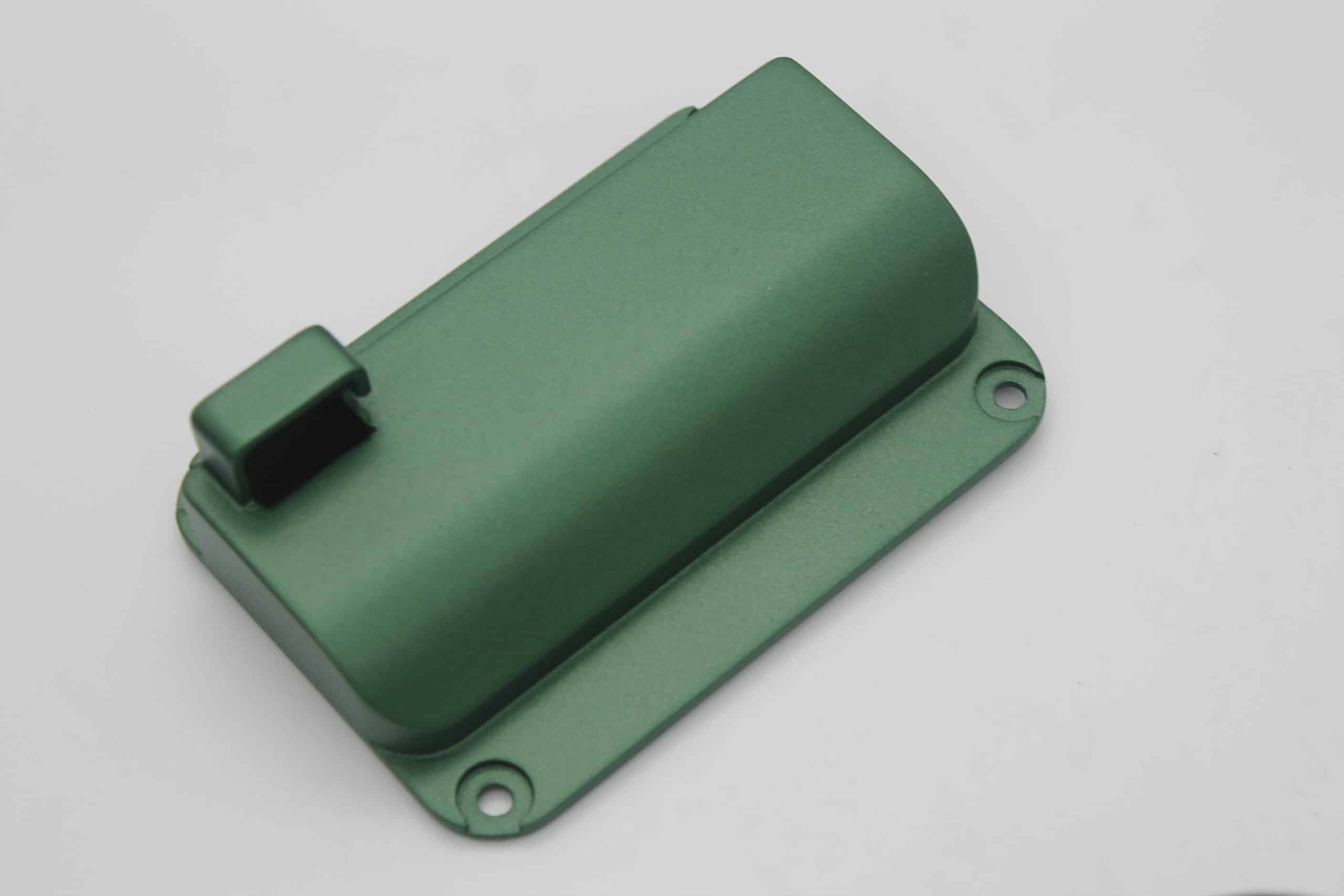
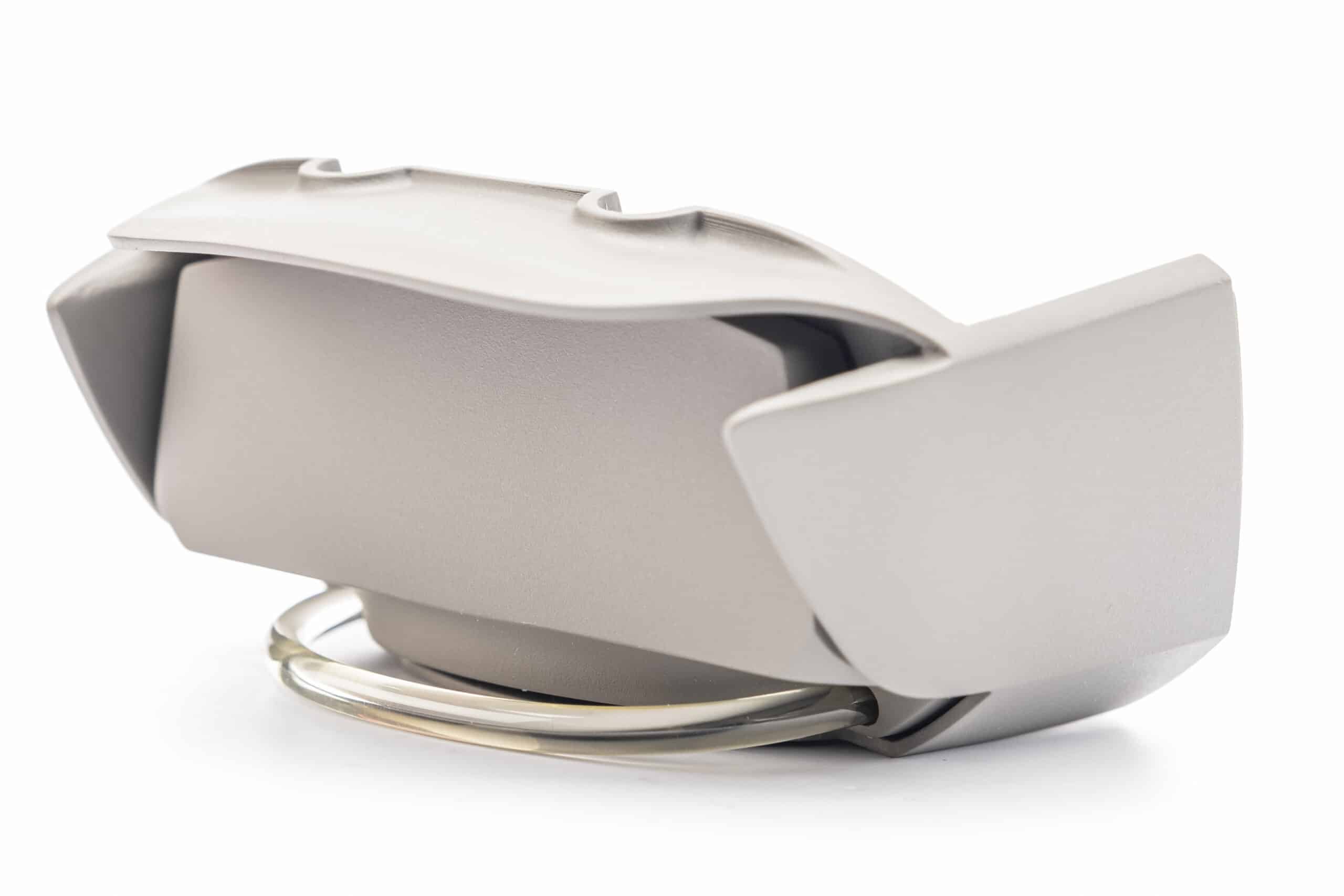
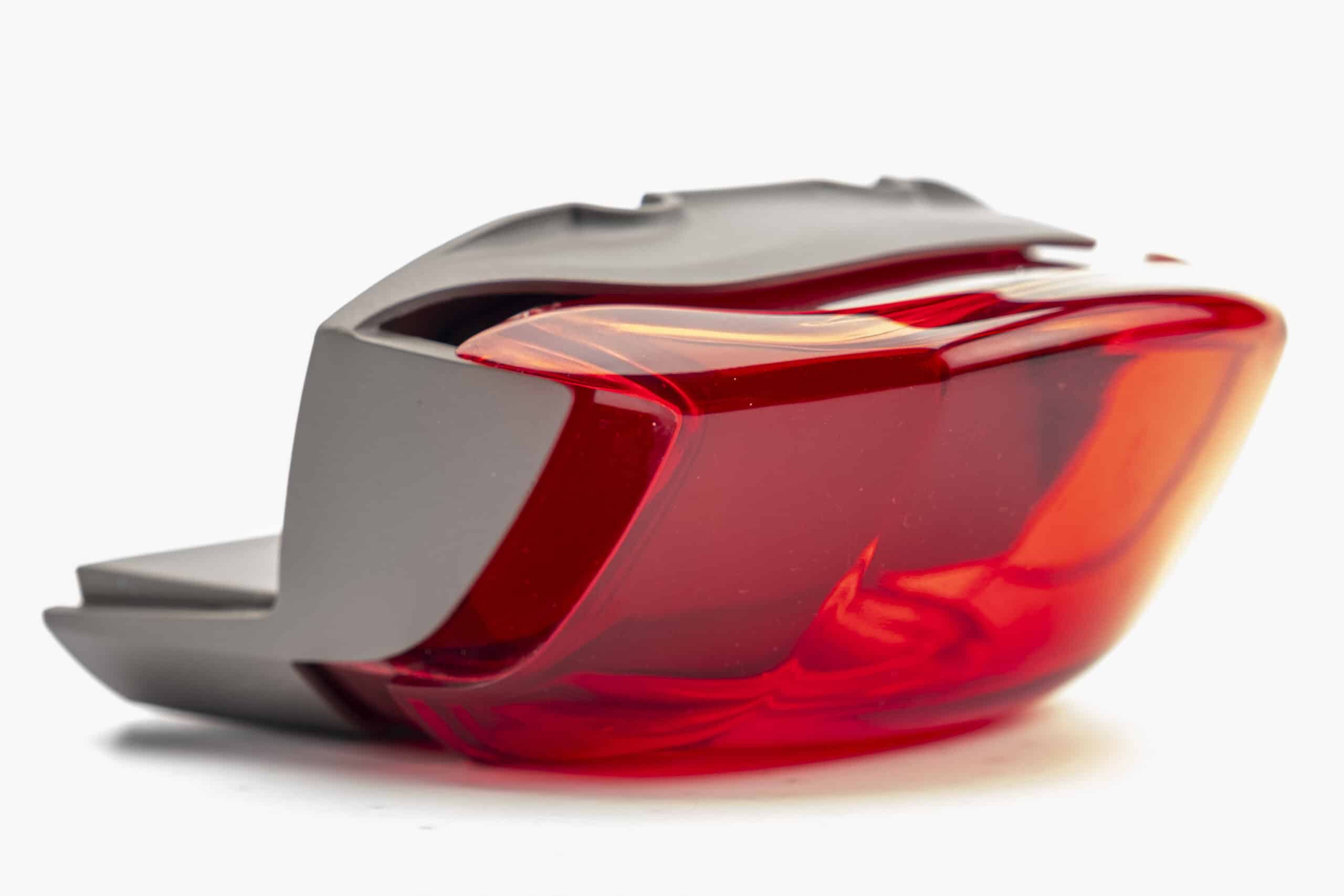
We have successfully applied vacuum casting for customers in mechanical engineering, electronics, automotive and product development. These include rubberized seals, snap-on covers, housings and functional assembly parts.
Frequently asked questions about vacuum casting
What is the difference between vacuum casting and injection molding?
Injection molding is suitable for mass production with fixed molds, but has a high entry cost and long lead time. Vacuum casting, on the other hand, we use for small series with quick delivery. You get parts that look and feel very similar to injection molded parts, but without the investment in steel or aluminum tooling.
How many parts can I have made with vacuum casting?
On average, a silicone mold yields 15 to 25 high-quality castings. Do you need more? Then we can easily make additional molds or recommend switching to (rapidtool) injection molding, CNC or another technique.
What materials do you use when vacuum casting?
We work with high-quality polyurethanes that we select based on the application. Think stiff materials similar to ABS, POM or PA or, on the contrary, flexible, rubbery alternatives. Together we determine what fits best technically and economically.
What is the delivery time of a vacuum casting project?
Typically, we deliver within 2 to 2.5 weeks of design approval. Fast turnaround is our standard, rush projects are always negotiable.
Is vacuum casting suitable for end use?
Sure. Many of our customers deploy vacuum cast parts directly for functional use, assembly or presentation. Provided the design and material are chosen correctly, vacuum casting is a reliable choice for pre-production or small runs of final parts.
Can I also achieve high accuracy with vacuum casting?
Vacuum casting tolerances are based on ISO 2768M with a minimum of +/- 0.2mm.
If you need parts that are even tighter to injection molding quality but don't want to invest in a steel mold just yet, Reactive Injection Molding (RIM) may be a possibility. This technique is applicable to PP-like PU and is widely used in the automotive industry (e.g., bumpers) and reusable packaging such as crates.
Tolerances are then between 0.3 and 0.5%
What should I pay attention to when vacuum casting a part?
As with injection molding, the part must be loose in vacuum casting.
Big advantage with vacuum casting is that the mold (silicone) is flexible, this allows undercuts and also does not require a release angle.
In addition, it is important that the wall thicknesses are not too thick from 0.8mm to 8mm is possible, depend on the size and complexity of the parts. If parts become too thick you will suffer from deformations.
Minimum detail for text and logos is 0.3mm
What is vacuum casting widely used for?
Vacuum casting is ideal for functional, small runs of approximately 10 to 100 pieces. Typical applications include:
Enclosures for electronics or measuring instruments
Reusable packaging (e.g., crates)
Automotive Parts
It is an excellent alternative to injection molding without investing in a steel mold. In addition, the lead time is significantly shorter.
What are the delivery times of vacuum casting?
The delivery time averages 2 to 3 weeks. This is because a master model must first be made, after which the mold must still harden. Vacuum casting is therefore slightly slower than 3D printing, for example, but produces an end result that is closer to injection molding.
What exactly is vacuum casting?
Vacuum casting is a smart way to make plastic parts quickly and accurately. To do this, we use polyurethane (PU) resins and a silicone mold. The beauty of this technique? You get parts that are very similar to injection molded parts in terms of properties and appearance - without the investment in an expensive steel mold.
We begin with a master model, which we 3D print or CNC mill. In doing so, we immediately take into account the shrinkage of the material. Is the model ready and nicely finished? Then we place it in a container and fill it with silicone rubber.
Once the rubber has hardened, we remove the master model. What remains is a silicone mold that is exactly the shape of the original.
Then we mix the appropriate PU resin and pour it, under slight vacuum pressure, into the mold. This prevents air bubbles and the material fills in all the details neatly. Then the mold goes into the oven to harden. Ready? Then we take out the cast part - your first perfect copy of the master model!
- We start with a 3D printed or CNC-milled master model.
- We make a silicone mold from that.
- In that mold, we pour polyurethane (PU) under vacuum, giving you a detailed copy.
What materials are available in vacuum casting?
A variety of polyurethane resins are available for vacuum casting. Think heat-resistant, rubbery, transparent and flexible varieties.
These resins approximate the mechanical properties of commonly used thermoplastics such as ABS, PP, PMMA, PA and rubber.
In addition, special versions are available, such as ABS-like PU with increased heat resistance (up to 210°C) or flame retardant variants (UL94-V0).
More information can be found at: wrapidprototyping.nldprototyping.nl/prototyping/materialen
Are the material properties of polyurethane similar to the real material?
Polyurethane resins are very similar to thermoplastics in mechanical properties. Note that this does not apply to chemical properties.
An example: POM-like PU is mechanically similar to POM, but can be glued - something that cannot be done with real POM.
When chemical properties are essential in addition to mechanical properties, we recommend CNC milling or rapid tool injection molding as a better alternative.
On average, how long does a silicone mold last?
A silicone mold is usually suitable for 20 to 30 castings or a period of use of about 3 months. The lifetime depends greatly on the size and complexity of the part.
Over time, the mold becomes brittle as the silicone continues to harden. So it is quite possible to cast 5 pieces at first, and another 10 later (say 4 weeks after that).
What is the maximum size you can cast?
Maximum casting dimensions are approximately 200 x 80 x 80 cm. Larger parts are cast and glued in parts. To neatly hide glue seams, the whole can be finished with a coating in a RAL or PMS color.