materials of prototyping
FROM STANDARD materials TO HIGH PERFORMANCE PLASTICS
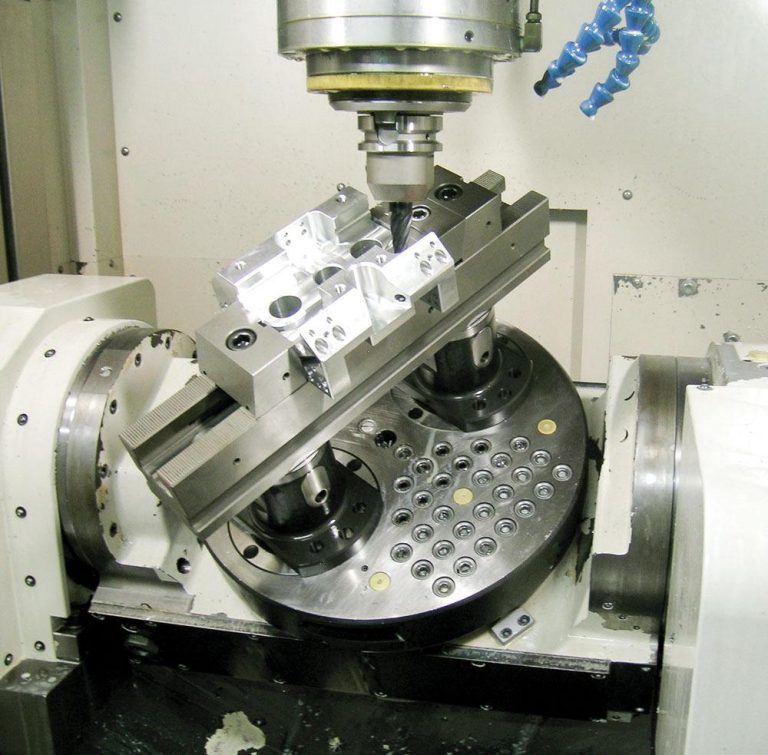
RAPIDprototyping offers a unique portfolio of materials that can be used. For 3D prototyping we work not only with our 3D printers but also with other materials techniques, such as CNC milling or vacuum casting. All for a sleek and functional result. Then again, different materials are suitable for that. Each of these materials and techniques offers its own advantages, and the choice depends on the specific requirements of the project. We provide detailed data sheets for all materials to help our customers make the optimal choice for their specific needs. These data sheets include information on the mechanical properties, durability and recommended applications of the materials, helping you to make an informed decision for the fabrication of your 3D model. Our goal is not only to meet aesthetic expectations, but also to ensure the functionality and reliability of the prototype, making it a valuable part of the product development process.
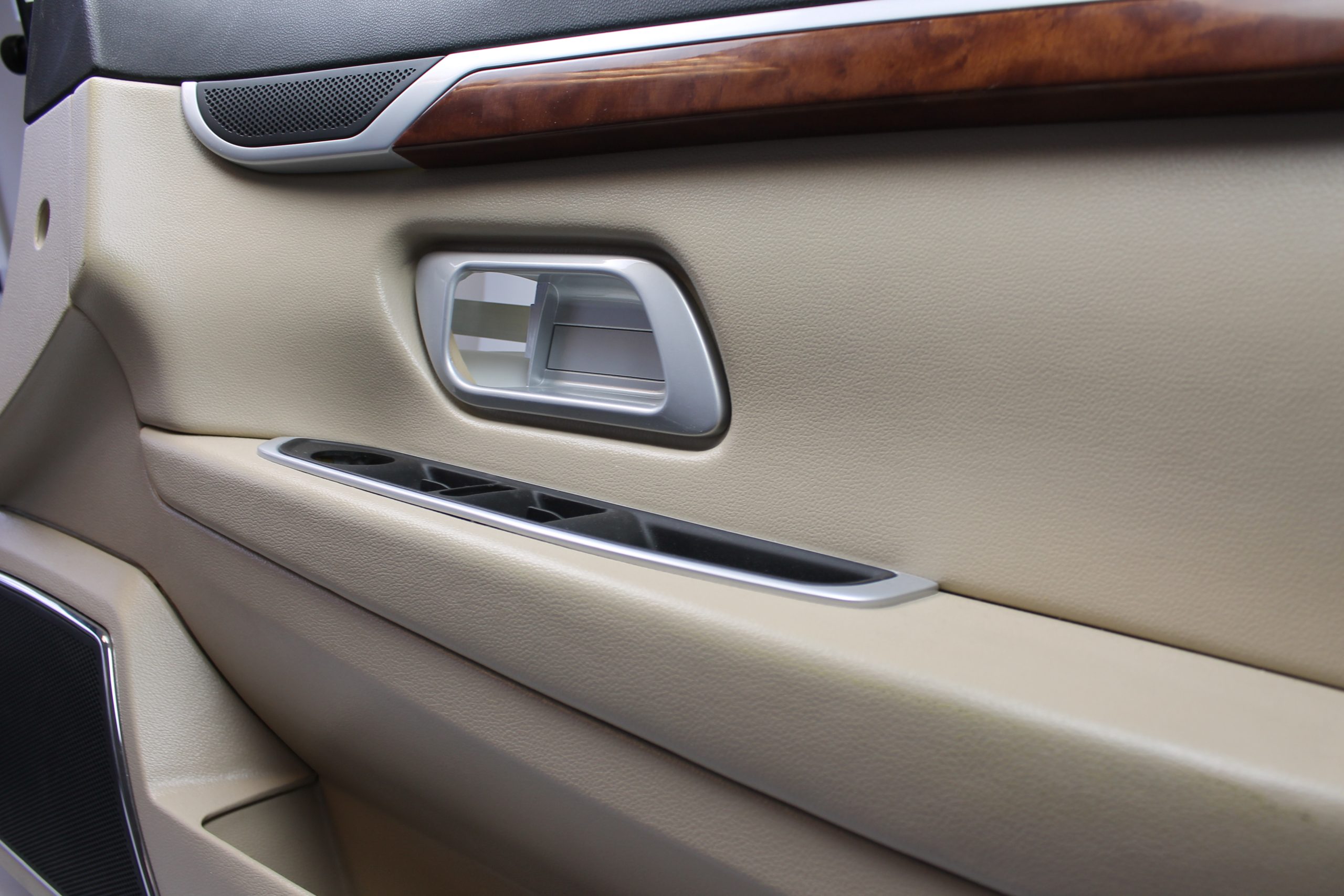
Materials for vacuum casting (Polyurethane)
ABS-like PU
ABS-like PU Temp 120C
ABS-like PU Temp 200C
ABS-like PU UL94_V0
A Polyurethane that mimics the mechanical properties of ABS that is flame retardant.
ABS-like PU Food grade
A Polyurethane that mimics the mechanical properties of ABS suitable for food applications.
PE/PP-like PU
POM/PA-like PU
A Polyurethane that mimics the mechanical properties of POM/PA.
Glass Filled Nylon-like PU (PA-GF)
A Polyurethane that mimics the mechanical properties of glass-filled PA (Nylon).
PC-like PU
A Polyurethane that mimics the mechanical properties of PC.
PMMA-like PU
A Polyurethane that mimics the mechanical properties of PMMA. Widely used to make transparent parts. Such as caps for taillights and viewing windows.
Rubber-like PU (color or transparent) Shore 40 to 90A
CNC (Full materials)
Plastics
ABS
HDPE
HDPE, short for high-density polyethylene, is a common type of plastic. HDPE is known for its high density and strength, making it resistant to tearing, breaking and chemical corrosion. This makes it a popular material for a wide range of applications, including water pipes, waste containers, toys and packaging materials. HDPE is also recyclable and is often used in recycling processes to make new products, adding to its durability and environmental friendliness.
PP
Polypropylene (PP) is a widely used plastic known for its excellent chemical resistance, low density and good thermal properties. PP is a versatile material used in a variety of industries, including packaging, textiles, automotive, medical devices and consumer products. PP is also recyclable and is often recycled into new products, contributing to the material's sustainability.
PA6/PA66
Polyamide 6 (PA6) and polyamide 66 (PA66) are two widely used plastics, also known as nylon 6 and nylon 66. Both materials have excellent mechanical properties, including high strength, toughness and wear resistance, making them suitable for a wide range of applications, including engineering components, machine parts, gears, bearings, electrical insulators and automotive parts. PA6 and PA66 are easily machined, contributing to their popularity in the manufacturing industry.
POM
Polyoxymethylene (POM), also known as acetal or polyacetal, is a plastic known for its excellent mechanical properties and dimensional stability. It is often used as a substitute for metals in applications where high stiffness, good sliding properties and resistance to wear and chemicals are required. Because of its properties, POM is widely used in the automotive, electronics and mechanical engineering industries.
PS/HIPS
Polystyrene (PS) and High Impact Polystyrene (HIPS) are both plastics derived from styrene monomers. PS is a clear, hard and brittle polymer used in a variety of applications, including food packaging, disposables, consumer products and insulation materials. HIPS is a copolymer of styrene and butadiene rubber, resulting in a material with improved impact resistance compared to pure PS. Because of this, HIPS is often used for applications where impact resistance is required, such as electronic enclosures, toys, and household items. Both materials are easy to process and are recyclable.
PMMA
Polymethylmethacrylate (PMMA), better known by its brand name Plexiglass or Perspex, is a transparent plastic known for its crystal-clear appearance and excellent optical properties. PMMA has a high refractive index and excellent resistance to weathering, aging and UV radiation, making it a popular material for applications such as windows, displays, billboards, lighting fixtures and medical devices.
PC
NORYL
NORYL is a trade name for a plastic known as polyphenylene oxide (PPO) or polyphenylene ether (PPE). It is a material characterized by a unique combination of properties, including high strength, stiffness, heat resistance and excellent electrical insulating properties. Because of its excellent properties, NORYL is often used in applications where thermal and mechanical properties are critical, such as electrical components, automotive parts, pumps, and enclosures for electronics. The material is also resistant to many chemicals and has good flame retardant properties, making it suitable for use in demanding environments.
PSU
Polysulfone (PSU) is a plastic belonging to the group of sulfon-containing polymers. It is known for its excellent thermal stability, high stiffness and good chemical resistance. PSU has a wide temperature range in which it retains its mechanical properties, making it suitable for applications exposed to both high temperatures and aggressive chemicals.
Thanks to its properties, PSU is often used in demanding industrial applications, such as in the chemical processing industry, electronics industry, and aerospace. It is also used in medical applications, such as sterilizable instruments and components for medical devices, because of its biocompatibility and resistance to sterilization methods such as autoclave and gamma radiation.
PES
Polyethersulfone (PES) is a plastic belonging to the family of sulfone polymers. It is known for its excellent thermal and chemical resistance, as well as its high strength and stiffness. PES has a wide temperature range in which it retains its mechanical properties, making it suitable for applications exposed to both high temperatures and aggressive chemicals.
Because of its properties, PES is often used in demanding industrial applications, such as in the chemical processing industry, electronics industry, and aerospace. It is also used in the medical industry for applications such as medical instruments and components for medical devices because of its biocompatibility and resistance to sterilization methods such as autoclave and gamma radiation.
PPS
Polyphenylene Sulfide (PPS) is a high-performance thermoplastic polymer known for its excellent chemical resistance, thermal stability and mechanical properties. PPS has a high melting temperature and retains its strength and stiffness at high temperatures, making it suitable for applications in high-temperature environments.
Thanks to its properties, PPS is widely used in applications such as automotive, electronics, aerospace, and chemical processing industries. It is used for parts that must resist corrosion, chemicals and high temperatures, such as parts for motors, electrical components, valves, and housings for electronics. PPS is also used in the medical industry because of its sterilizability and resistance to aggressive chemicals
PVDF
Polyvinylidene fluoride (PVDF) is a high-performance plastic known for its excellent chemical resistance, thermal stability and mechanical properties. PVDF has exceptional resistance to chemicals, corrosion, UV radiation and aging, making it suitable for use in demanding environments.
PVDF is often used in applications where durability and resistance to aggressive conditions are required, such as in the chemical processing, oil and gas, semiconductor and aerospace industries.
PTFE (Telfon)
Polytetrafluoroethylene (PTFE), better known by the brand name Teflon, is a plastic characterized by its excellent chemical resistance, low friction, and high temperature resistance.
It is also used in industrial applications, such as seals, gaskets, bearings, and conductors because of its excellent abrasion resistance and chemical inertness. In addition, PTFE is used in electronics, aerospace, and medical fields because of its electrical insulation properties and biocompatibility.
PEEK
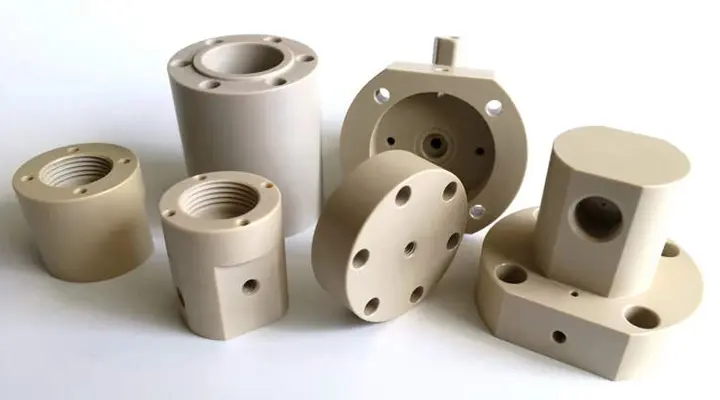
Polyetheretherketone (PEEK) is a high-performance plastic with excellent mechanical properties and thermal stability. It is known for its exceptional strength, stiffness and chemical resistance, as well as its resistance to high temperatures. Because of its properties, PEEK is often used in demanding applications where high performance is required, such as in the aerospace, automotive, medical, and oil and gas industries. It is used for parts that must withstand extreme conditions, such as engine components, bearings, gears, medical implants and chemical-resistant seals.
PEEK is also biocompatible and sterilizable, making it suitable for use in medical implants and instruments. The material is also resistant to sterilization methods such as autoclave, gamma radiation and ethylene oxide.
Metal materials
Aluminum (6061/7075)
Aluminum is a common metal with low density and excellent corrosion resistance. It is lightweight but at the same time strong and durable. Because of these properties, aluminum is widely used in a wide range of applications, including construction, transportation, packaging and electronics. In addition, aluminum is recyclable, making it an environmentally friendly choice.
Brass (H65/CW617N)
Stainless steel (SS304/316)
Stainless steel (SS) is an alloy of iron, chromium and other elements such as nickel and molybdenum. It is known for its excellent corrosion resistance and durability, making it suitable for a wide range of applications. Stainless steel is widely used in construction, kitchen appliance manufacturing, medical instruments, automotive applications and more.
Steel (P20)
Sheet metal
Aluminum (AL5052)
Aluminum is a common metal with low density and excellent corrosion resistance. It is lightweight but at the same time strong and durable. Because of these properties, aluminum is widely used in a wide range of applications, including construction, transportation, packaging and electronics. In addition, aluminum is recyclable, making it an environmentally friendly choice.
Stainless steel (SS304)
Stainless steel (SS) is an alloy of iron, chromium and other elements such as nickel and molybdenum. It is known for its excellent corrosion resistance and durability, making it suitable for a wide range of applications. Stainless steel is widely used in construction, kitchen appliance manufacturing, medical instruments, automotive applications and more.
Zinc
Zinc is a lightweight, highly malleable sheet material with high corrosion resistance. It is ideal for cover caps, housings, and decorative applications indoors and outdoors.
Copper
Copper is a high-quality sheet material with excellent electrical and thermal conductivity. Due to its luxurious appearance and good formability, it is widely used in technical and aesthetic sheet metal components.
Iron
Iron plate is known for its strength and durability. It is ideal for structural applications and industrial components that are subject to heavy mechanical loads and may require further finishing.
Galvanized plate
Galvanized sheet metal is steel with a protective zinc coating to prevent rusting. This makes it ideal for outdoor applications, frames, enclosures, and industrial structures.
SLS materials
Nylon (PA12) (white)
Nylon (PA12) (black)
Glass filled nylon (PA12) (Beige)
PP
SLA materials
GPPlus (ABS-like) White
Rigid Black (ABS-like) Black
G8228 (PBT-like) Light green
Watershed (ABS-like) Transparent
FDM materials
ABS
Strong and heat-resistant thermoplastic material for robust functional parts and technical applications. The material is widely used in automotive, electronics, and telecommunications applications, from conceptual models to functional prototypes, tools, and products.
ASA
UV- en weersbestendig alternatief voor ABS, ideaal voor duurzame onderdelen die buiten blootstelling moeten doorstaan.
<div class=”et_pb_button_module_wrapper et_pb_module “><a target=”_blank” class=”et_pb_button button-transparent et_pb_bg_layout_light” href=”https://www.rapidprototyping.nl/wp-content/uploads/2026/01/Bambu_ASA_Technical_Data_Sheet.pdf” rel=”noopener”>Datasheet</a></div>
PA6 CF
Nylon 6 versterkt met carbon fiber voor hoge stijfheid, thermische weerstand en structurele kracht in tooling en functionele onderdelen.
<div class=”et_pb_button_module_wrapper et_pb_module “><a target=”_blank” class=”et_pb_button button-transparent et_pb_bg_layout_light” href=”https://www.rapidprototyping.nl/wp-content/uploads/2026/01/Bambu_PA6-CF_Technical_Data_Sheet-v2.pdf” rel=”noopener”>Datasheet</a></div>
PAHT (LUVOCOM 9936BK L)
High-temperature polyamide with enhanced thermal stability and strength for demanding applications. Metal detectable in black for general applications and blue for food-specific applications.
PC
High impact resistance and heat resistance combined with mechanical strength for technical functional prototypes.
PC FR
Fire-retardant polycarbonate with high structural strength for technical applications with additional safety and compliance requirements.
PET CF (LUVOCOM 9780 BK)
Carbon fiber reinforced PET base material with increased stiffness and mechanical performance for lightweight, functional parts.
PETG
Strong, chemically resistant filament with good layer adhesion and a smooth balance between flexibility and strength.
PLA
Biodegradable filament made from renewable raw materials with excellent printability for prototypes and visual models.
PPS CF (LUVOCOM 50899 BK)
Carbon fiber reinforced polyphenylene sulfide for high mechanical strength, thermal stability, and technical performance. Widely used as an aluminum substitute due to its strength-to-weight ratio.
Ultem 9085 (PEI)
Ultem 1010 (PEI)
What customers make with us
In Rapid Prototyping, we combine advanced techniques such as SLS, SLA, vacuum casting and CNC milling to create functional and aesthetically pleasing products. Think of everything from form studies and working prototypes to reusable packaging and finished series products.
Our customers leverage our wide material selection and finishing options to make complex ideas tangible. Whether it's high-gloss chrome surfaces, color coatings or integrating metal components, we make it possible.
Wondering what's possible for your project? Take a look at our case studies or get contact for advice.