TECHNIQUES FOR 3D PROTOTYPING
Five techniques for making almost anything
There are several techniques by which 3D printers produce products. The overarching characteristic is that they all use layering to build the printed product from digital cross-sections of the 3D CAD design. For functional parts made of plastic, SLS and FDM are the most preferred printing techniques. SLA is the best technique for prototypes with very smooth surface, high accuracy and functional mechanical properties. We also produce 3D prototypes with CNC milling and vacuum casting from silicone mold.
No knowledge of prototyping techniques? No problem, we are happy to explain further.
CNC Milling / 3D CNC milling techniques
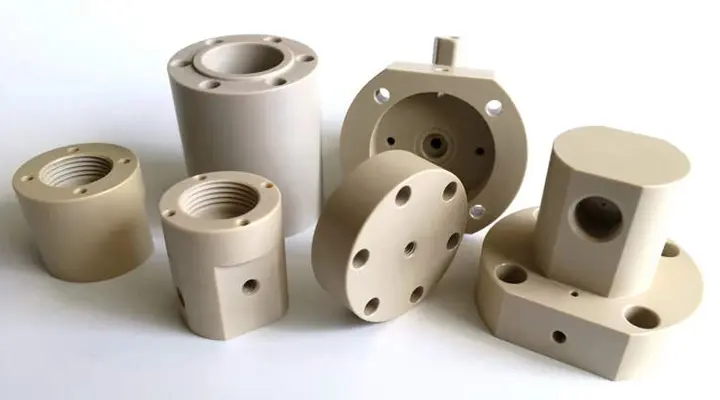
Machining production technology for plastic and metal through 3d CAD/CAM programmed computer-controlled machines
About CNC (Computerized Numeric Control)
CNC machining production techniques arose from the need to be able to perform a conventional production technique, such as milling, drilling or turning, unmanned by pre-programming the various machining axes and their interplay.
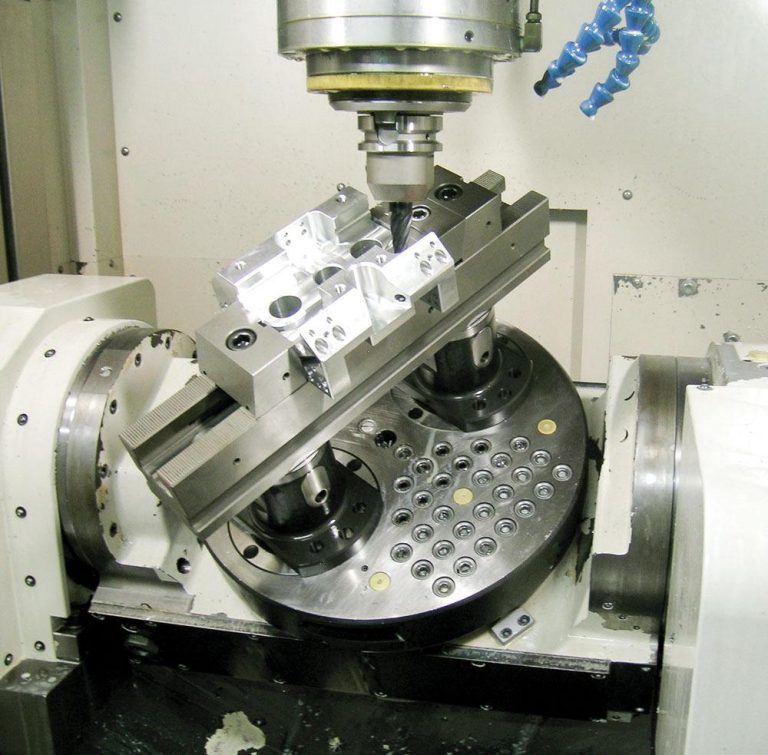
Although initially intended for the simplification and realization of unmanned productions, in the 1990s with the advent of 3d CAD/CAM, programming was significantly simplified (and also automated) that now even most complex single-piece parts are rewarding to produce with CNC technology, provided the geometry of the part allows it. Critical in this sense is mostly the ability to clamp the part for multi-sided machining, corner radii, pocket depths, etc. But over time, additional techniques have been developed for this as well, such as 5-axis simultaneous milling or spark machining.
RAPIDprototyping.nl has access to various CNC machine tools up to 5-axis machining. This enables us to produce simple to highly complex parts made of solid plastic or metal in single pieces or series. We are not a machine factory but a prototyper. That is why we use the ISO2768-f tolerance class in order to keep up the speed. However, it is of course no problem to maintain a very high local accuracy for e.g. bearing fit or pinch face at the customer's request; with our background as toolmakers, we know what it comes down to.
VAC Vacuum casting techniques
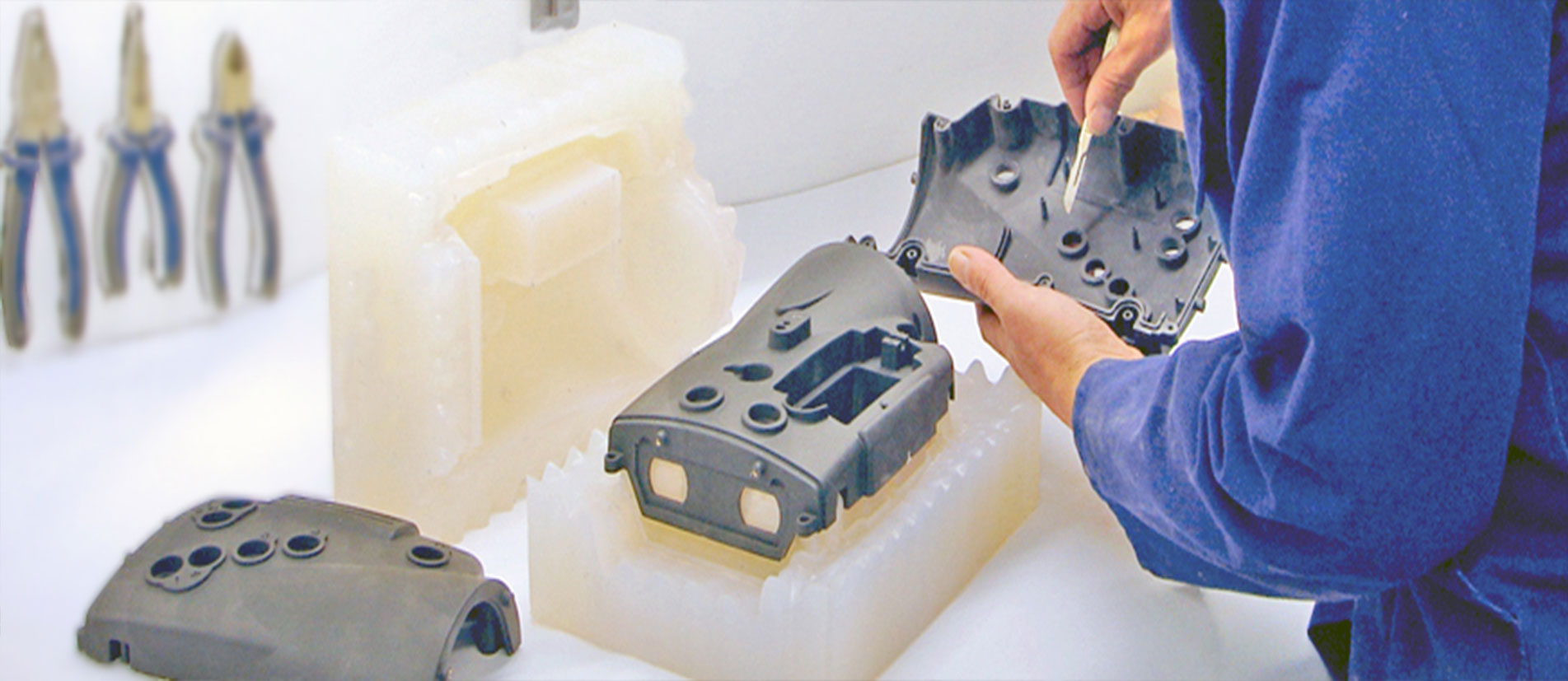
Casting a PolyUrethane plastic in a silicone mold under vacuum is a cost-effective way to realize a small series of plastic products on short notice that approaches injection molding quality in properties or experience.
VAC (Vacuumcasting)
Vacuum casting is actually a copying technique for multiplying a single physical product into multiple copy products. The first physical product is called the master model and, in addition to the main shape with shrinkage compensation, is equipped with some necessary casting features. A master model is often produced with SLA 3d printing technique is because of its good surface quality and accuracy. The master model is molded in silicone rubber and after its curing is broken out of the rubber mold. This mold is called a silicone mold and is actually a negative form of the master model.
To prevent air inclusion, a thermosetting PolyUrethane plastic is poured into the mold under vacuum. Because the curing of the PU is an exothermic reaction that usually takes place under a conditioned atmosphere, the lifetime of a silicone mold is on average 20-30 castings or 3 months. The rubber of an unused silicone mold ages and becomes brittle.
RAPIDprototyping.nl has a wide range of PU materials that can be processed with vacuum casting, with the properties that approach typical injection molding materials (thermoplastics).
SELECTIVE LASER SINTERING (SLS) techniques
3d printing technique for strong mechanically loadable parts with good detail from Nylon PA12
About Selective Laser Sintering (SLS).
We have 3 SLS machines that allow us to cover a large capacity and work with very short delivery times. Af machine, parts are sandblasted smooth where the surface is slightly compacted by the impact of a special abrasive (shot peening)
We provide various complementary treatments to additionally enhance the properties of the product or the experience of the product such as roto-finishing, color or nano impregnation and vapour-smoothing.
Stereolithography (SLA) techniques
3d printing technique for smooth precise products with ABS-like properties
About Stereolithography (SLA).
SLA is a layered 3d printing technique for the realization of smooth visual models that are rigid enough to handle or deploy in unencumbered applications.
The stereo lithography technique selectively cures a liquid UV-fed polymer by locally illuminating it with a UV laser. Where the liquid contacts UV, it polymerizes out to a hard plastic with relatively good mechanical properties, mostly ABS similar.
We have several SLA machines of different sizes at our disposal. The maximum we can realize from 1 piece is 800x800mm but often it is more advantageous to divide a part and glue it into a solid whole by means of mechanical interlocks.
SLA parts lend themselves perfectly to all types of finishing and many we offer as a finish; priming, color coating (RAL/PMS), polishing, assembly, etc.
Fused Deposit Modeling (FDM) techniques
3d printing technique for rigid parts and quick concepts from Carbonfilled ABS or PC/ABS blend
About Fused Deposit Modeling (FDM)
FDM is an extrusion-based 3d printing technique, abbreviated as FFF (Fused Filament Fabrication). Basically, it is a simple technique by fusing a plastic layer upon layer. The principle is widely used in consumer printers, but our high-end system from Stratasys has developed the technique to perfection with a nice set of engineering materials that are ideal for realistion of more robustly shaped parts, fixtures and measuring jigs. We process a carbon fiber filled ABS plastic (black gray) as standard and can do a material change to PC/ABS blend plastic or a 92 Shore A TPU elastic rubber for 3d printing.
What customers make with us
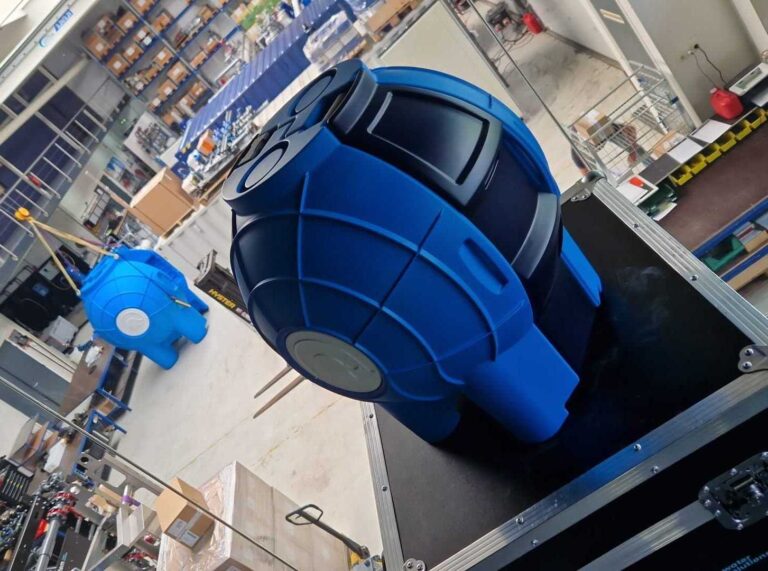
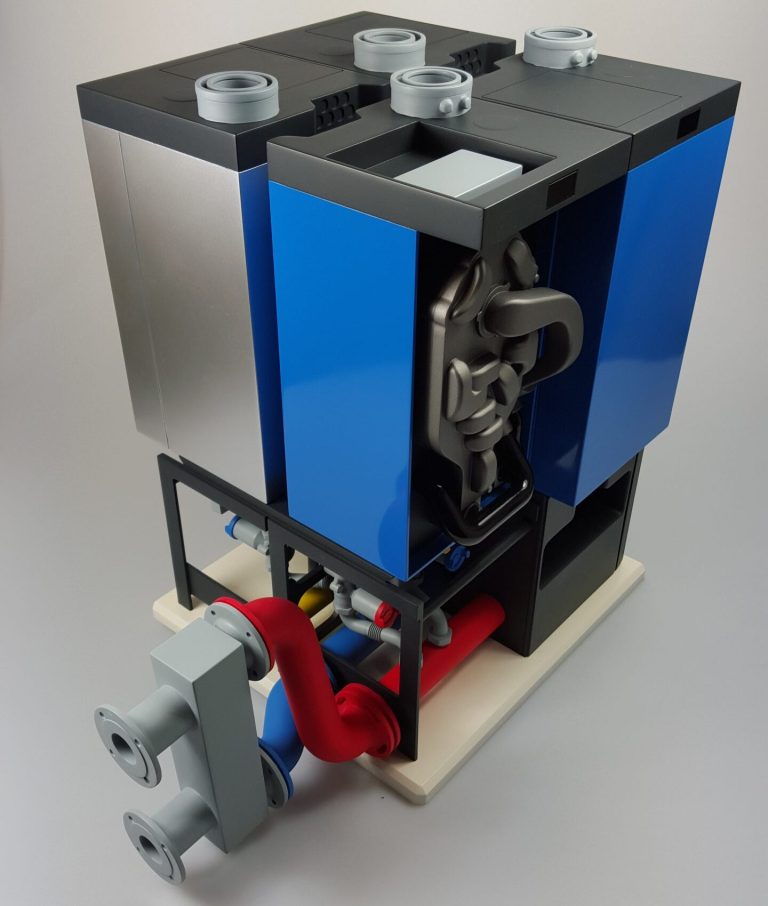
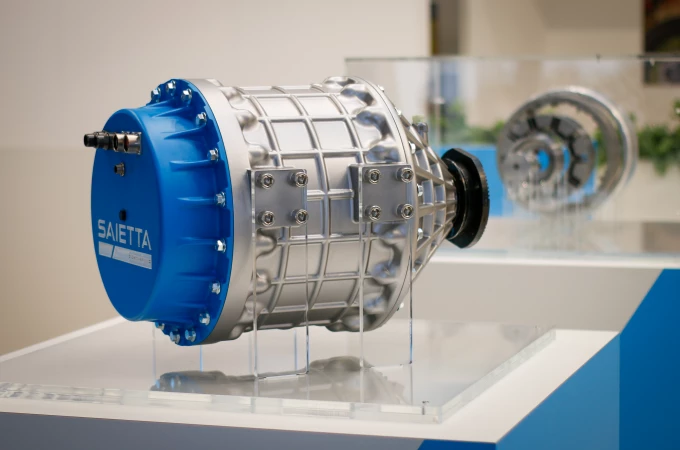
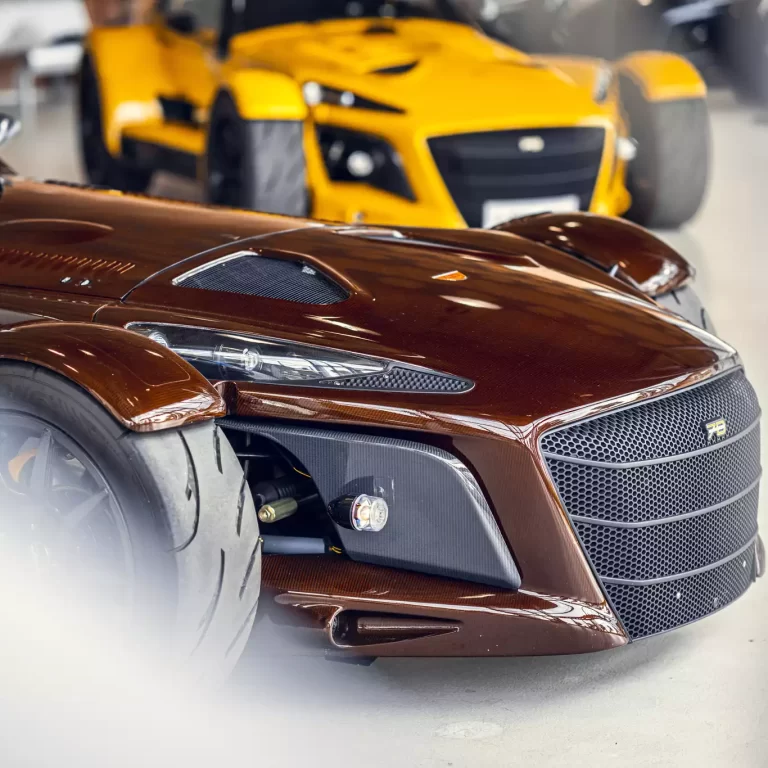
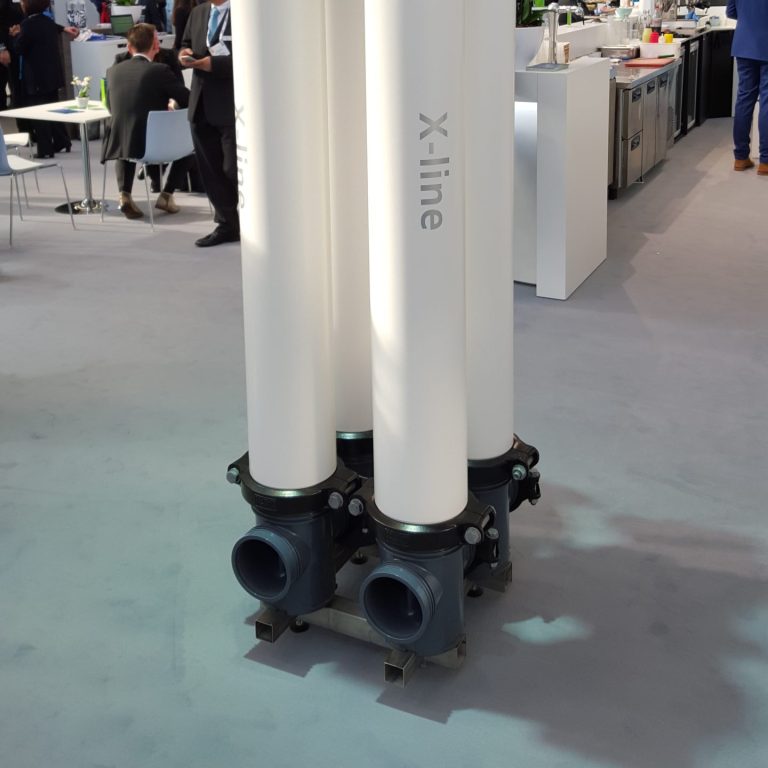
In Rapid Prototyping, we combine advanced techniques such as SLS, SLA, vacuum casting and CNC milling to create functional and aesthetically pleasing products. Think of everything from form studies and working prototypes to reusable packaging and finished series products.
Our customers leverage our wide material selection and finishing options to make complex ideas tangible. Whether it's high-gloss chrome surfaces, color coatings or integrating metal components, we make it possible.
Wondering what's possible for your project? Take a look at our case studies or get contact for advice.