FDM
FusedDeposit Modeling
3d printing technique for rigid parts and quick concepts from Carbonfilled ABS or PC/ABS blend
TECHNIQUE
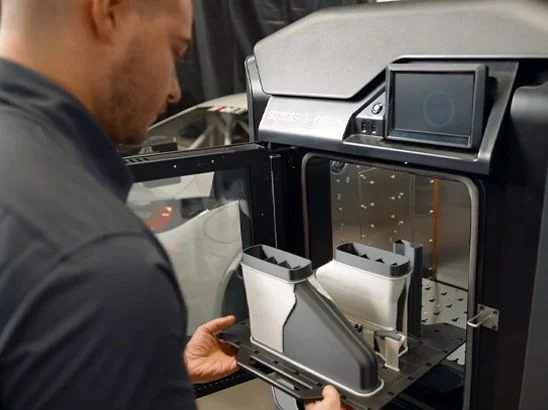
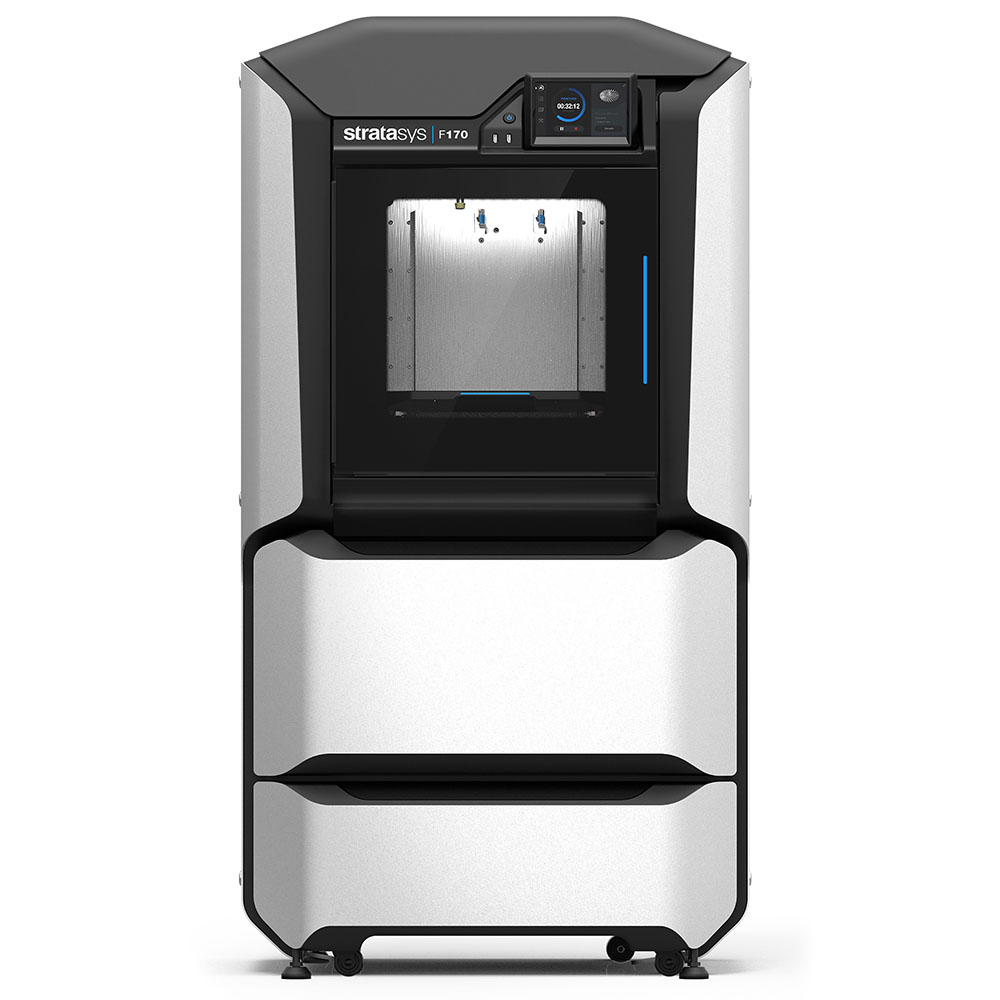
In the FDM process, an extrusion head is used to apply a plastic layer to a building platform. The typical layer thickness for FDM technique is 0.25mm but 0.175mm as 0.33mm layer thickness is also possible. To support overhanging geometry of a product, a water-soluble biopolymer is placed with a second extrusion tip with which so-called support structures are built, actually the riser in which the FDM product to be 3d printed is supported. Once all the layers are printed on top of each other, the build plate can be removed from the machine and the whole thing is immersed in an ultrasonic water bath. In this step, the biopolymer support structures dissolve and the intended workpiece remains. After drying and light finishing work, the product is ready to ship. Since the process can already be started on 1 part, it is an ideal technique for very fast itterations and concept model production or realization of parts with very short delivery times. Deliveries within 24/48 hours are possible.
Note that FDM/FFF parts can be somewhat porous by nature due to the layerwise construction. If a purely pressure-tight product is required, SLS or SLA technique may be a better tec technique to choose.


Materials
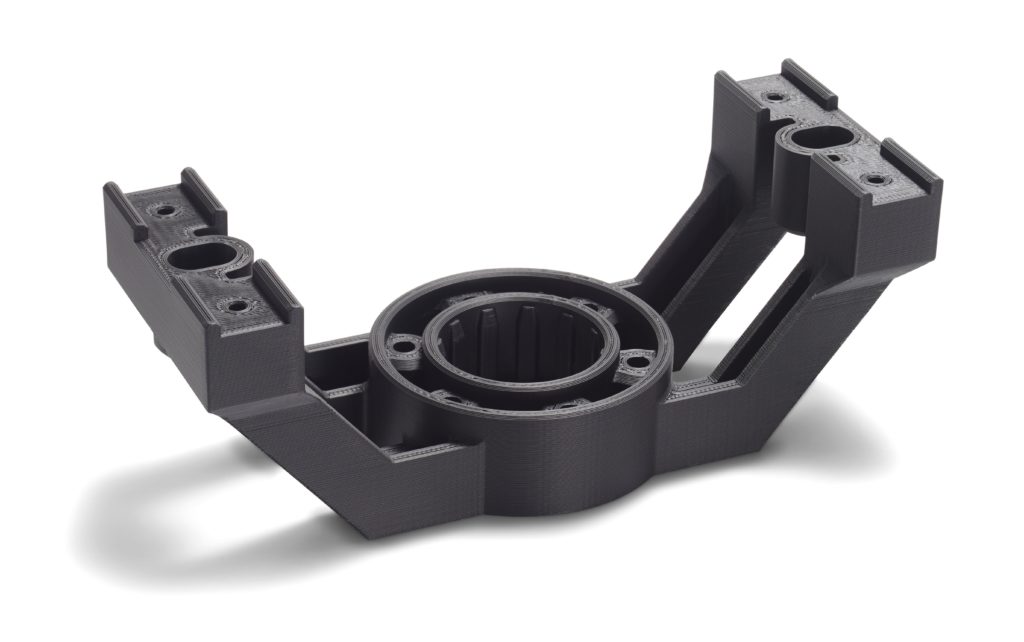
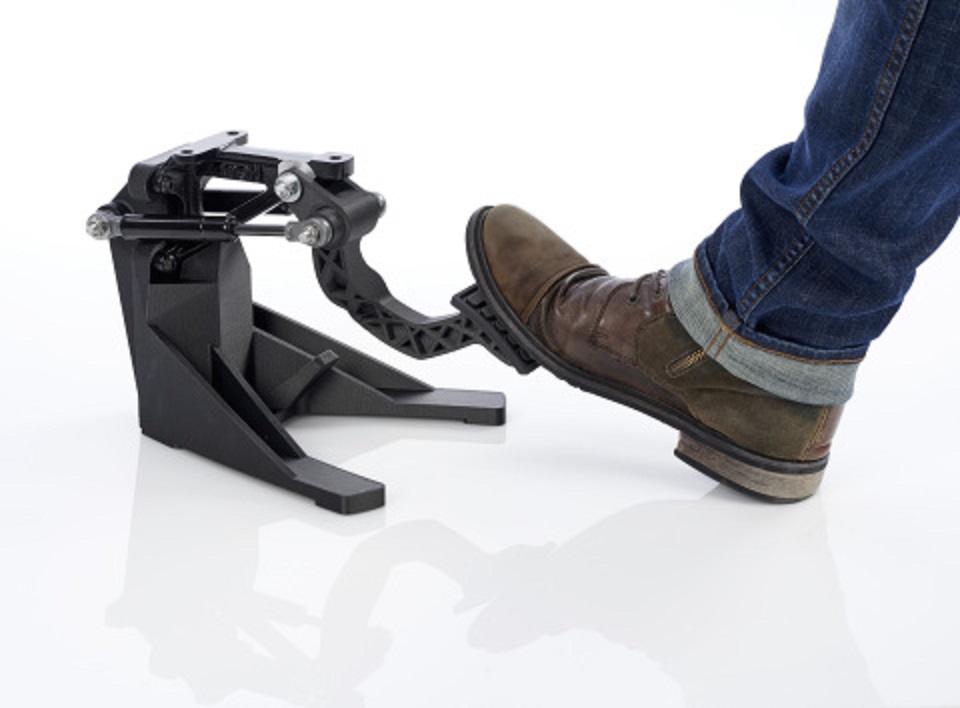
3d printing with FDM/FFF technique is mostly done with ABS based materials. Specifically on our machine we produce standard in an ABS with a 10% carbon fiber fill. This material is a true metal replacement and is widely used for fixtures and measuring jigs, auxiliary tools, tool holders, 3d fixture jaws for CNC plastic and metal machining.
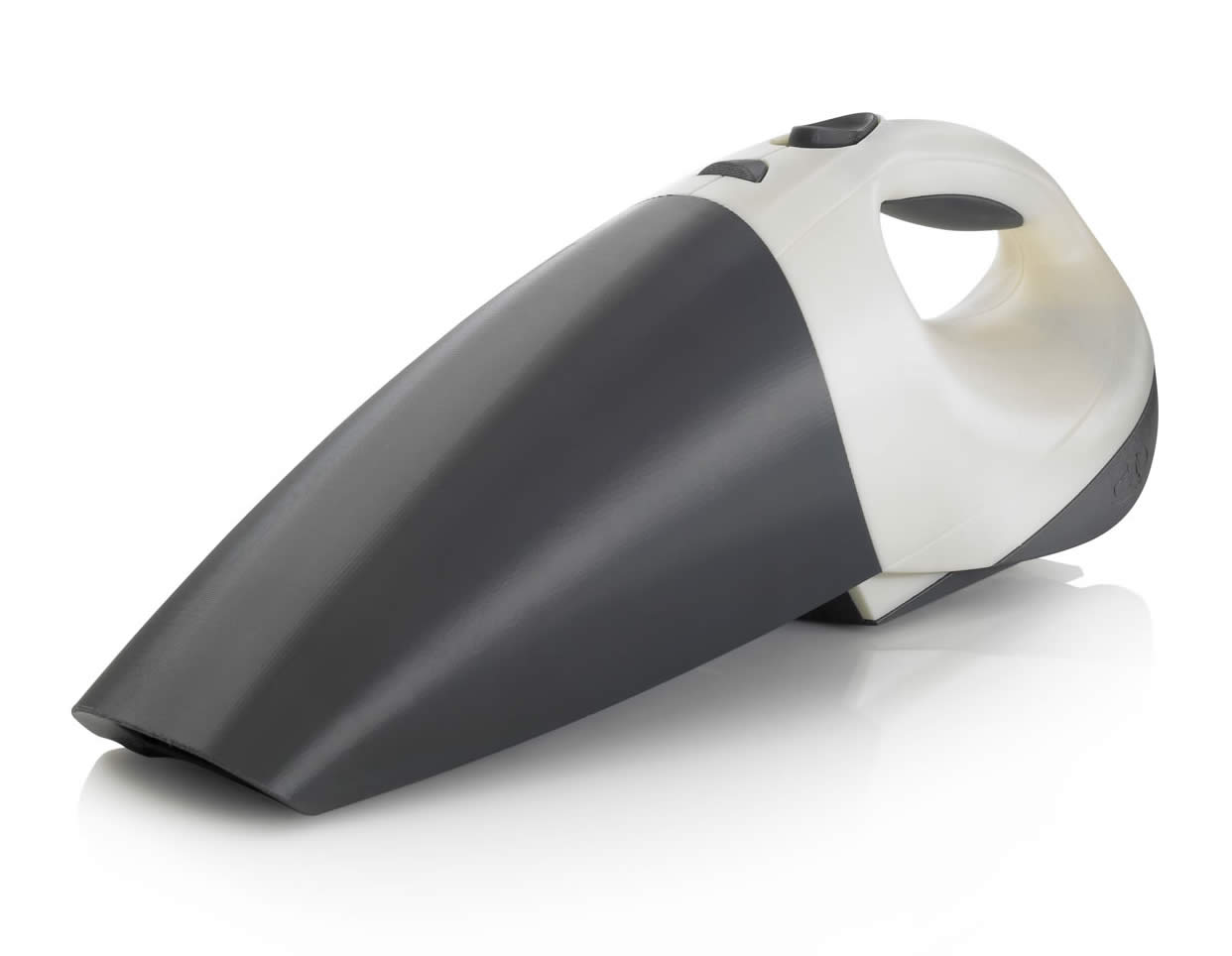
For robust concept models, we work a lot in PC/ABS blend, which has slightly better strength and temperature resistance compared to standard ABS. An advantage of FDM technology is that very solid parts can be internally filled with a honeycomb structure to save material (=building costs) while maintaining strength.
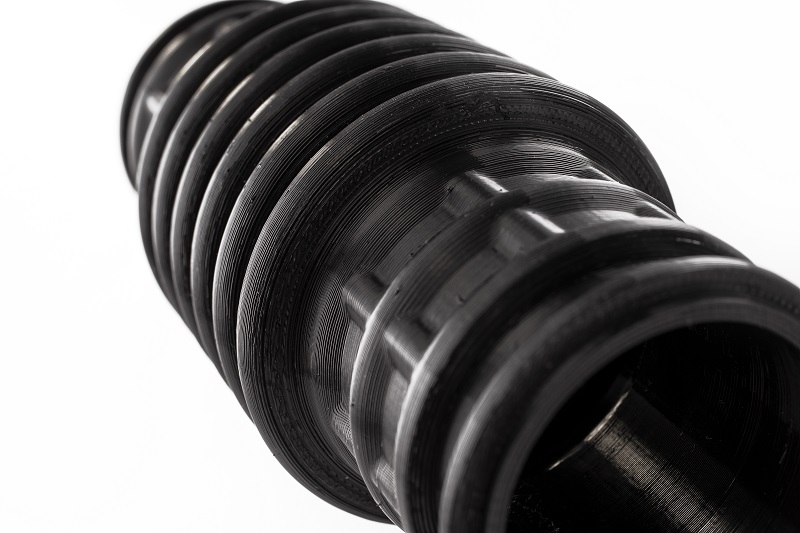
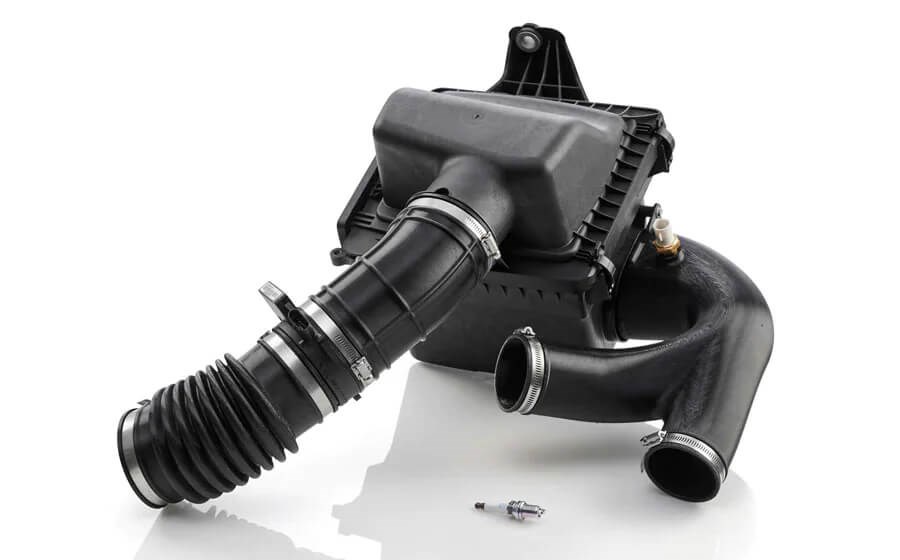
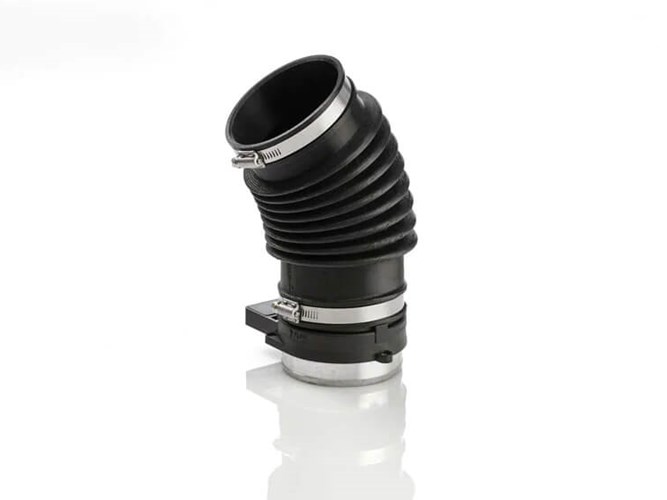
For producing rubber products, we can use a black thermoplastic TPU rubber with a hardness of 92 Shore A. This material has good chemical resistance and an elongation to rupture of over 450%! Please note that this material is only suitable for dust seals and not for seals in liquid or gas applications; FDM parts are by nature somewhat porous.
Use
FDM is primarily used for parts that are somewhat larger in size and (usually) somewhat thicker-walled. Thick walls and/or block shapes can be filled with an internal honeycomb structure. In this way, the product maintains its integrity but savings can be made in material consumption and production time.
RAPIDprototyping.nl processes standard carbon-filled ABS plastic (ABS-CF10) on this system as products produced with this material are particularly strong and rigid. FDM combined with this material is ideal for fast and accurate creation of production tools and implements, tool holders, assembly tools and drilling/milling jigs.
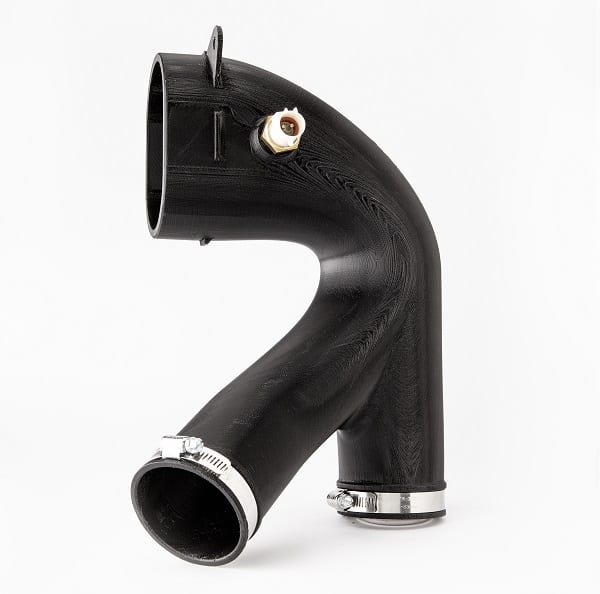
The layered structure of an FDM part always remains visible. We do not offer additional finishes on this. In particular, products produced in carbon-filled ABS plastic give a beautiful black metallic look as a result. Due to refraction of light on the layers, this FDM surface is perceived as fine and special.
The TPU rubber that can be processed with FDM has a hardness of 92 shore A. TPU rubbers are functional in that they have good chemical resistance (chemical/oil) and good creep resistance. As is typical of FDM manufactured parts, rubber parts are not completely air or watertight. Typical applications include elastic applications such as rubber bellows and seals for air discharge landfill applications. Flexible seals for tools, shafts and guides.