3D PRINTING TECHNIQUES FOR PROTOTYPING
THREE TECHNIQUES FOR MAKING ALMOST ANYTHING
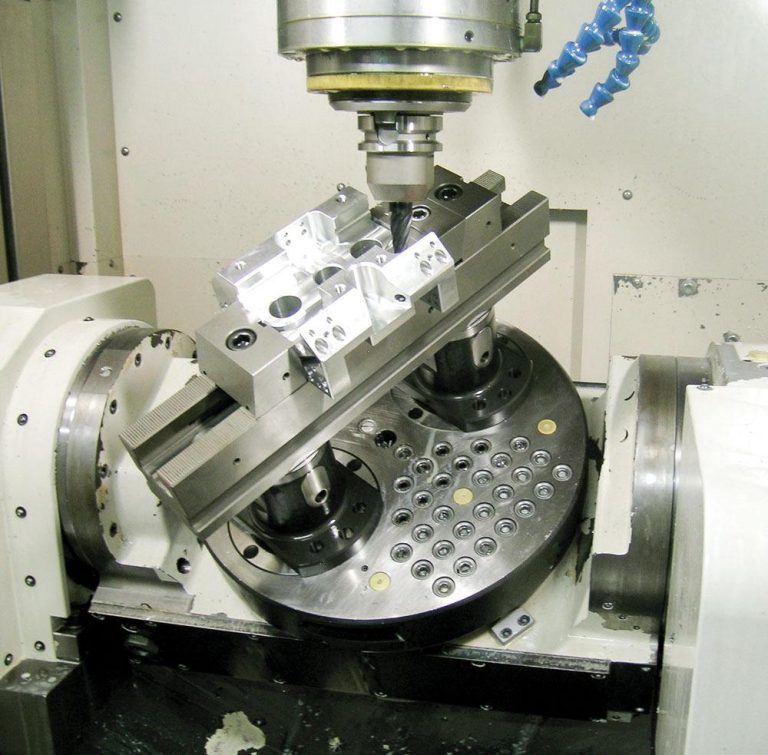
There are several techniques by which 3D printers produce products. The general feature is that they all use layering to build the product from digital cross-sections of the 3D CAD design. For functional parts made of plastic, SLS and FDM are the most preferred printing techniques. SLA is the best technique for prototypes with very smooth surface, high accuracy and functional mechanical properties. We also produce 3D prototypes with CNC milling and vacuum casting from silicone mold.
No knowledge of materials? No problem, we are happy to explain further.
SELECTIVE LASER SINTERING (SLS) techniques
3d printing technique for strong mechanically loadable parts with good detail from Nylon PA12
About Selective Laser Sintering (SLS).
We have 3 SLS machines that allow us to cover a large capacity and work with very short delivery times. Af machine, parts are sandblasted smooth where the surface is slightly compacted by the impact of a special abrasive (shot peening)
We provide various complementary treatments to additionally enhance the properties of the product or the experience of the product such as roto-finishing, color or nano impregnation and vapour-smoothing.
Fused Deposit Modeling (FDM) techniques
3d printing technique for rigid parts and quick concepts from Carbonfilled ABS or PC/ABS blend
About Fused Deposit Modeling (FDM)
FDM is an extrusion-based 3d printing technique, abbreviated as FFF (Fused Filament Fabrication). Basically, it is a simple technique by fusing a plastic layer upon layer. The principle is widely used in consumer printers, but our high-end system from Stratasys has developed the technique to perfection with a nice set of engineering materials that are ideal for realistion of more robustly shaped parts, fixtures and measuring jigs. We process a carbon fiber filled ABS plastic (black gray) as standard and can do a material change to PC/ABS blend plastic or a 92 Shore A TPU elastic rubber for 3d printing.
Stereolithography (SLA) techniques
3d printing technique for smooth precise products with ABS-like properties
About Stereolithography (SLA).
SLA is a layered 3d printing technique for the realization of smooth visual models that are rigid enough to handle or deploy in unencumbered applications.
The stereo lithography technique selectively cures a liquid UV-fed polymer by locally illuminating it with a UV laser. Where the liquid contacts UV, it polymerizes out to a hard plastic with relatively good mechanical properties, mostly ABS similar.
We have several SLA machines of different sizes at our disposal. The maximum we can realize from 1 piece is 800x800mm but often it is more advantageous to divide a part and glue it into a solid whole by means of mechanical interlocks.
SLA parts lend themselves perfectly to all types of finishing and many we offer as a finish; priming, color coating (RAL/PMS), polishing, assembly, etc.
What customers make with us
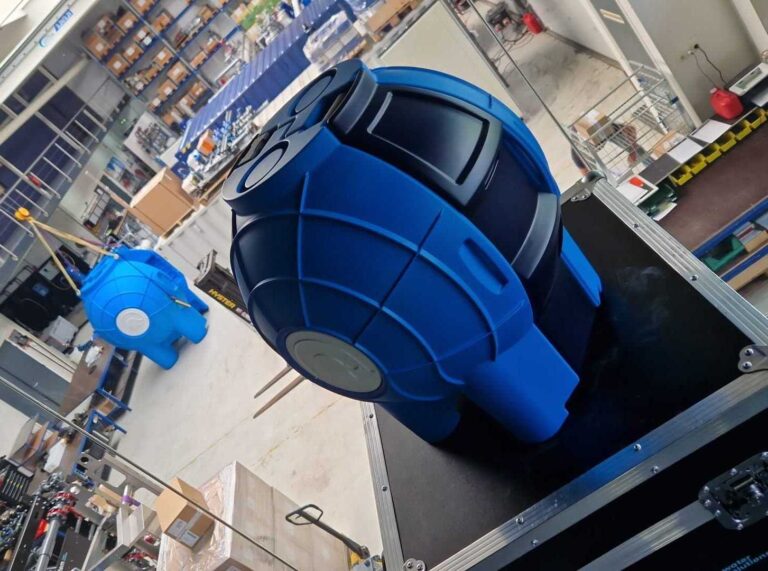
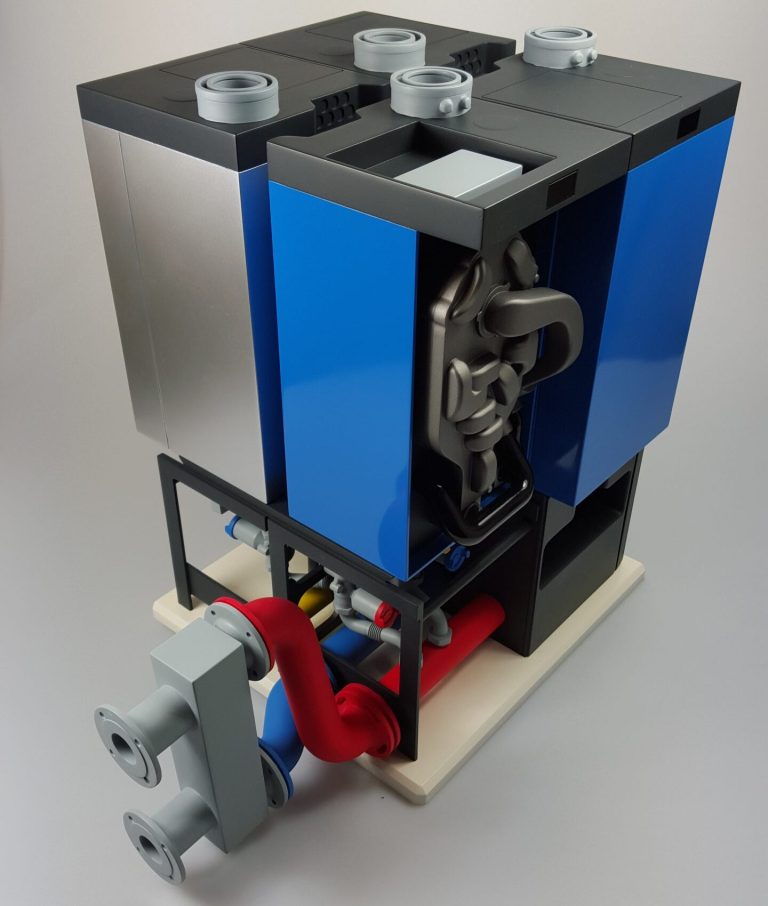
In Rapid Prototyping, we combine advanced techniques such as SLS, SLA, vacuum casting and CNC milling to create functional and aesthetically pleasing products. Think of everything from form studies and working prototypes to reusable packaging and finished series products.
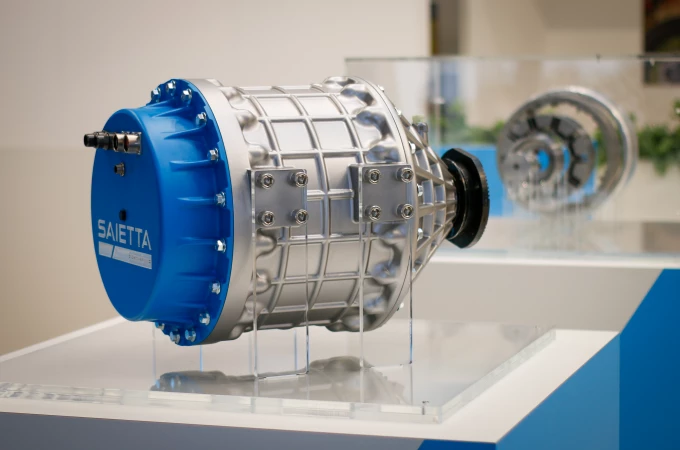
Our customers leverage our wide material selection and finishing options to make complex ideas tangible. Whether it's high-gloss chrome surfaces, color coatings or integrating metal components, we make it possible.
Wondering what's possible for your project? Take a look at our case studies or get contact for advice.