
VAC
Vacuumcasting
Casting a PolyUrethane plastic in a silicone mold under vacuum is a cost-effective way to realize a small series of plastic products on short notice that approaches injection molding quality in properties or experience.
RAPIDprototyping.nl has a wide range of PU materials that can be processed with vacuum casting. These are often referred to by the naming of the injection molding equivalent. Typical parts realized are housings, covers, control panels, crates or seals.
Because vacuum molding is a pressureless process unlike plastic injection molding and in doing so is effectively a copying technique, the accuracy of a vacuum-molded part is slightly less than typical injection molding accuracies. Also, the product surface may have minor color differences or imperfections. Therefore, PU parts that are visually deployed are usually molded in the requested base color and subsequently coated with a matte color coat to RAL or PMS value. With this, a slight VDI texture, high gloss or silk gloss can also be added to the appearance of the product.
On the other hand, vacuum casting does not require expensive injection tools, but can take place in a mold of about ten to a hundred euros, depending on shape and size. Another great advantage is that products with "counter-dissolution" can be realized without expensive technical solutions; after all, the mold is made of flexible rubber and can be bent open at the location of a counter-dissolution in the geometry.


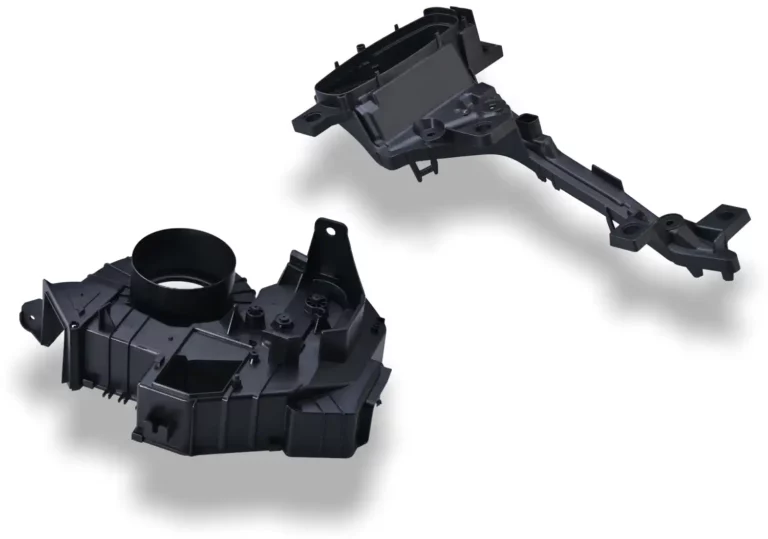


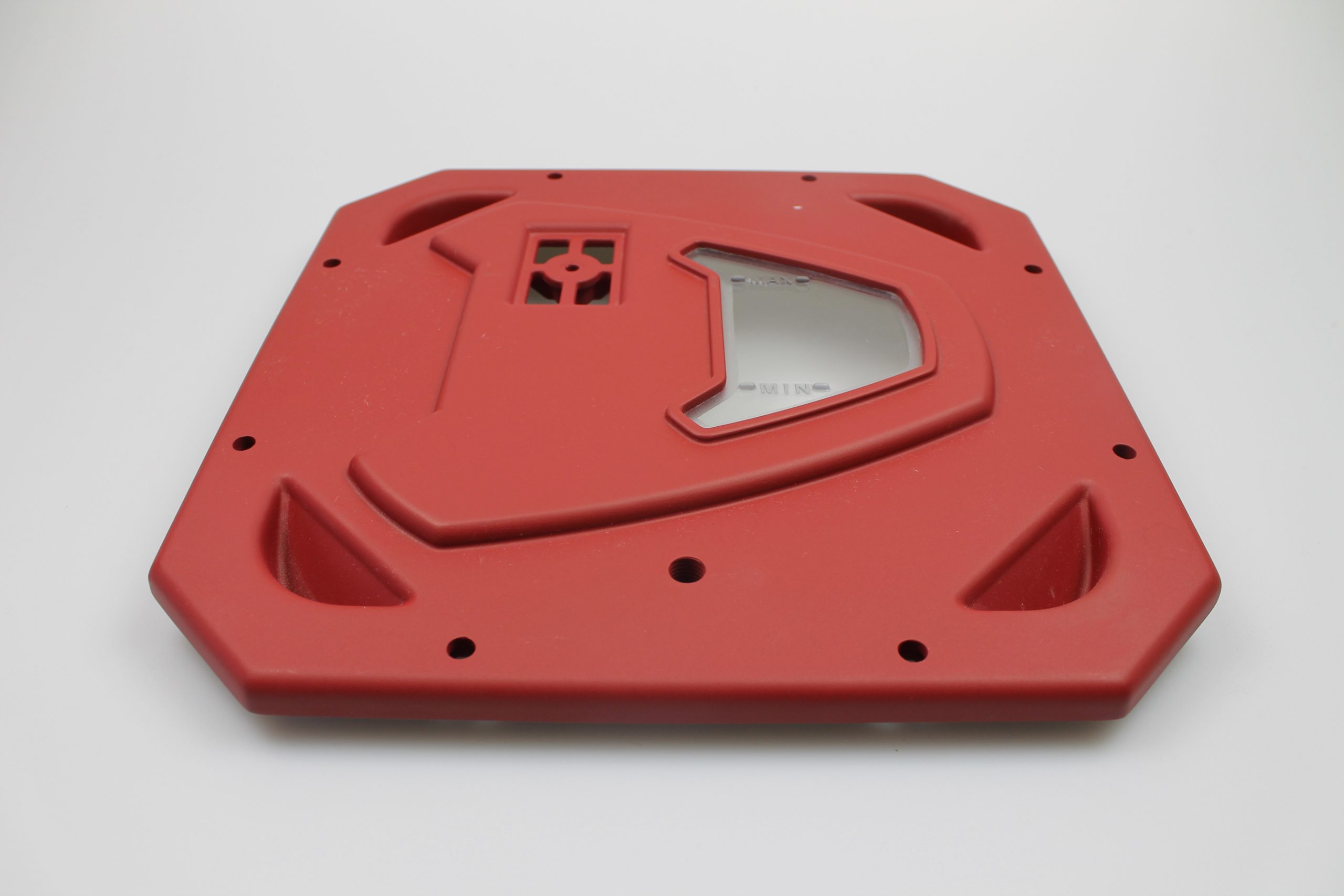

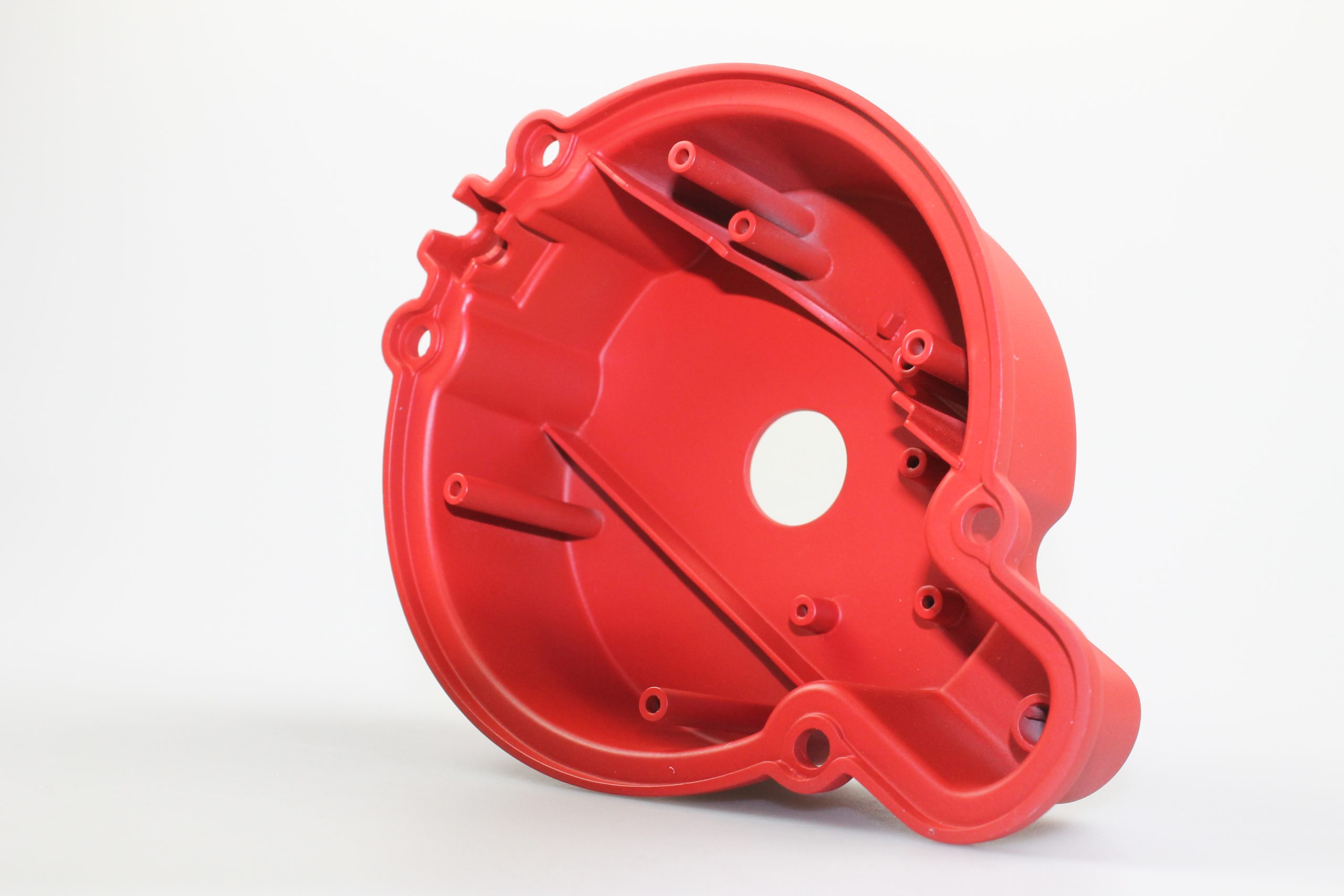
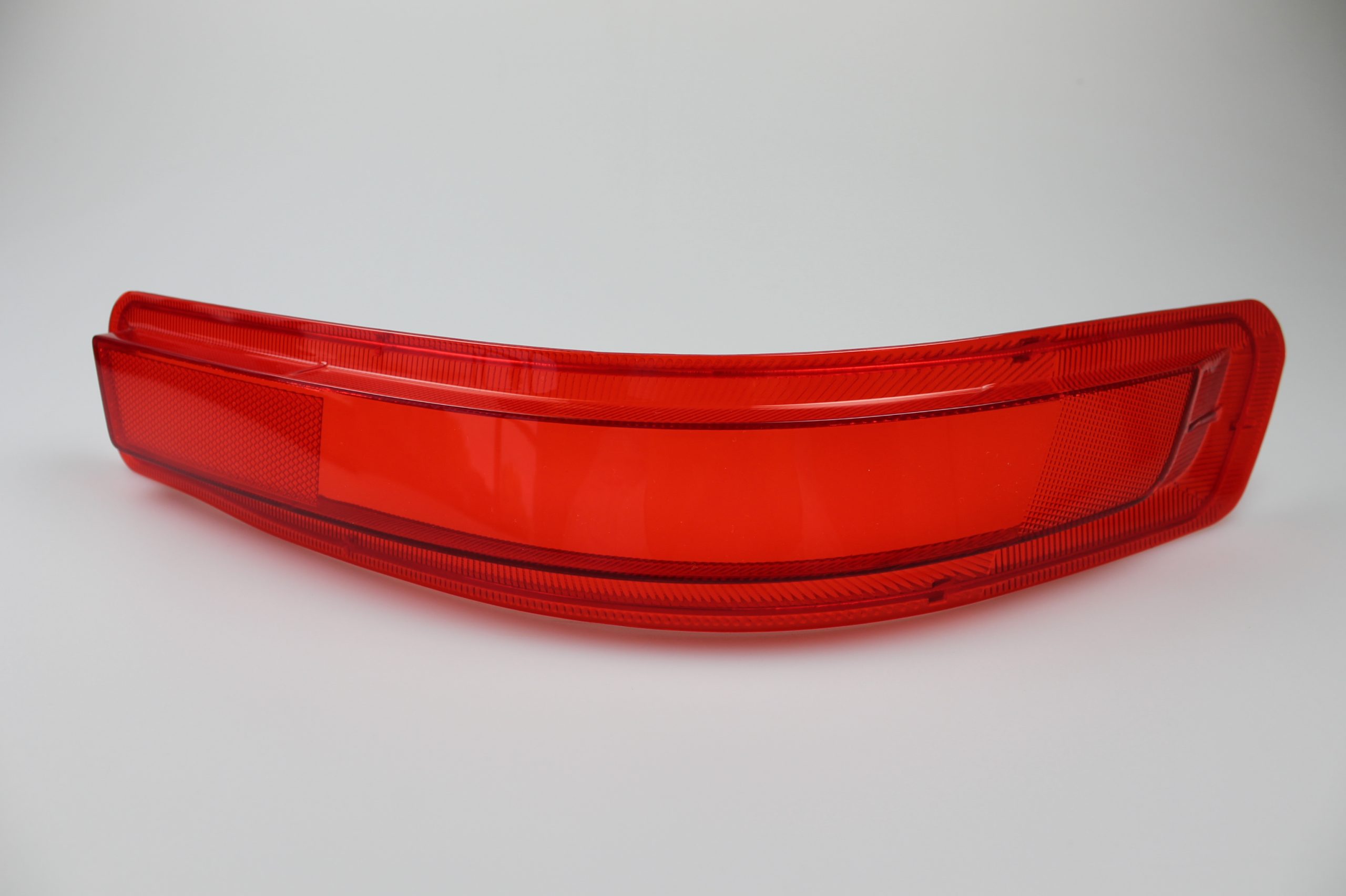

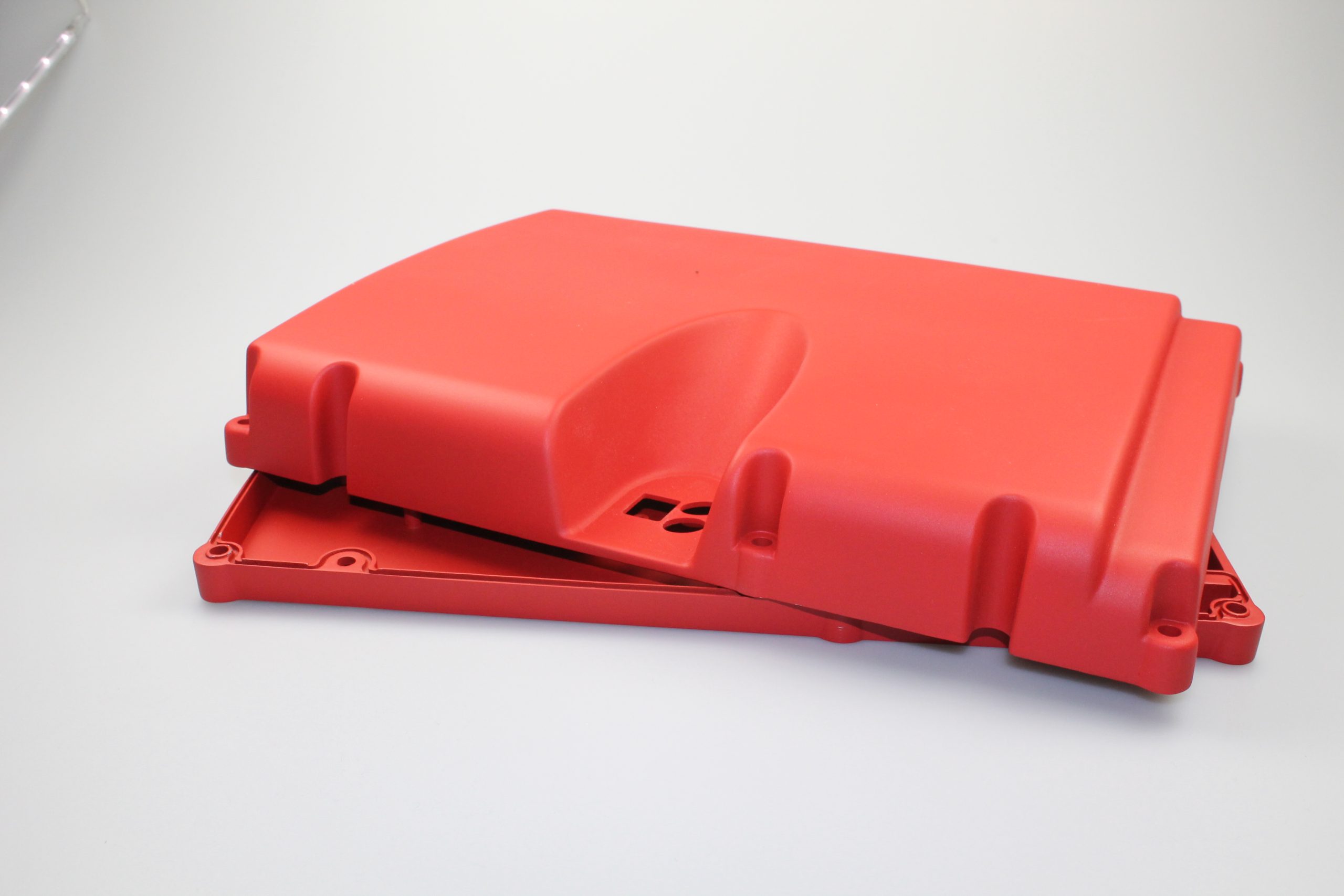

For the production of standard items, an ABS-like PolyUrethane is typically used (UP4280). This means that although the product is thus molded in a PU thermoset plastic, it will approximate the material properties of a thermoplastic ABS plastic as it can typically be used in plastic injection molding.
But there are also PU materials available with very specific properties such as transparency, elasticity (rubbers), UV resistance, fire retardant, food grade, impact resistant or just rigid or heat resistant etc. A lot is possible, also in combinations of properties.
It is also possible to simulate 2K injection molding with vacuum molding technology. 2K is widely used in hard/soft combinations with soft-touch effect. Think of handles, buffers or bezels. Unlike some thermoplastic combinations, PolyUrethanes do not chemically bond with each other when molded together in a mold. Therefore, to simulate the 2K effect with vacuum casting, mechanical interlocks must be incorporated into the design that can be filled with the second component to achieve bonding. Where possible, two components can also be cast separately and then glued together into one piece with super glue which often provides a more durable result.