SLA
Stereolithography
3d printing technique for smooth precise products with ABS-like properties
TECHNIQUE
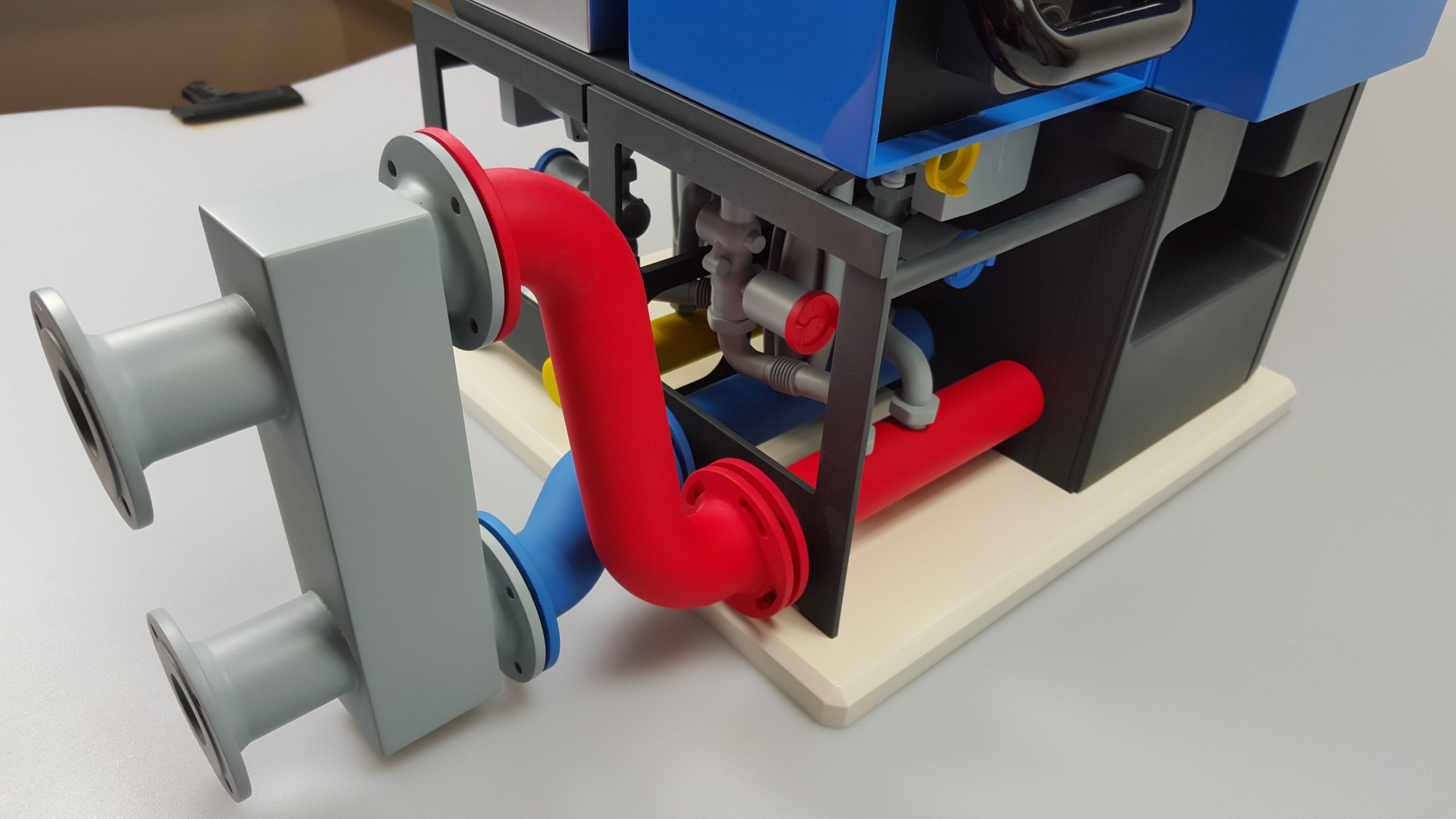
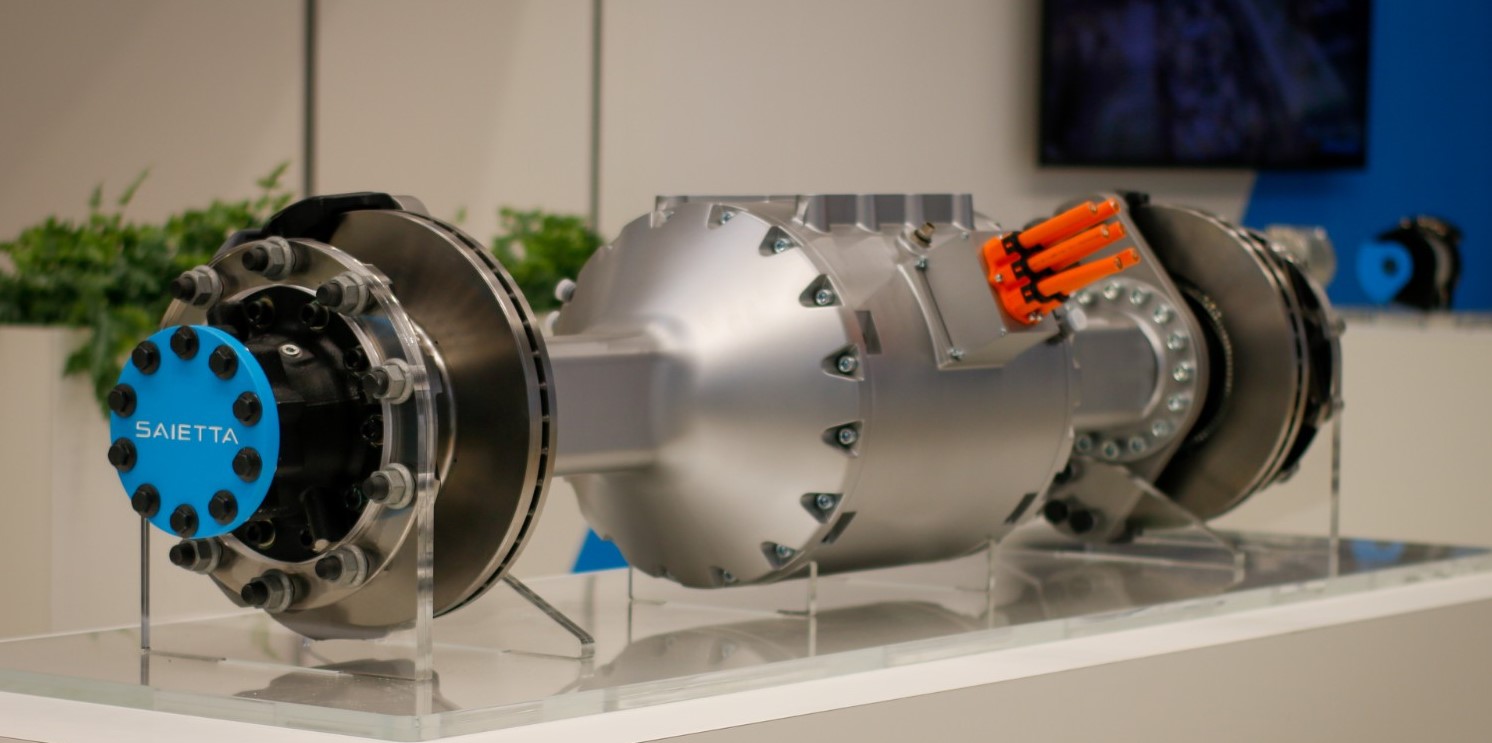
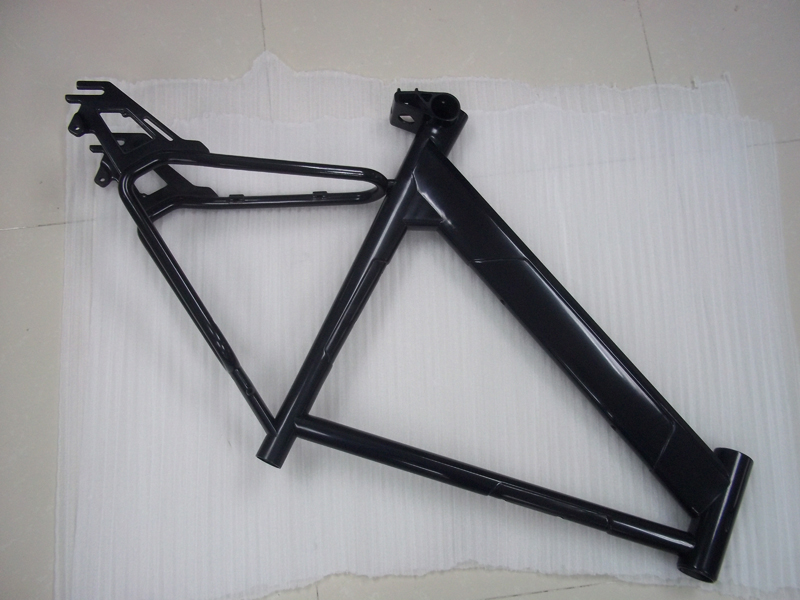
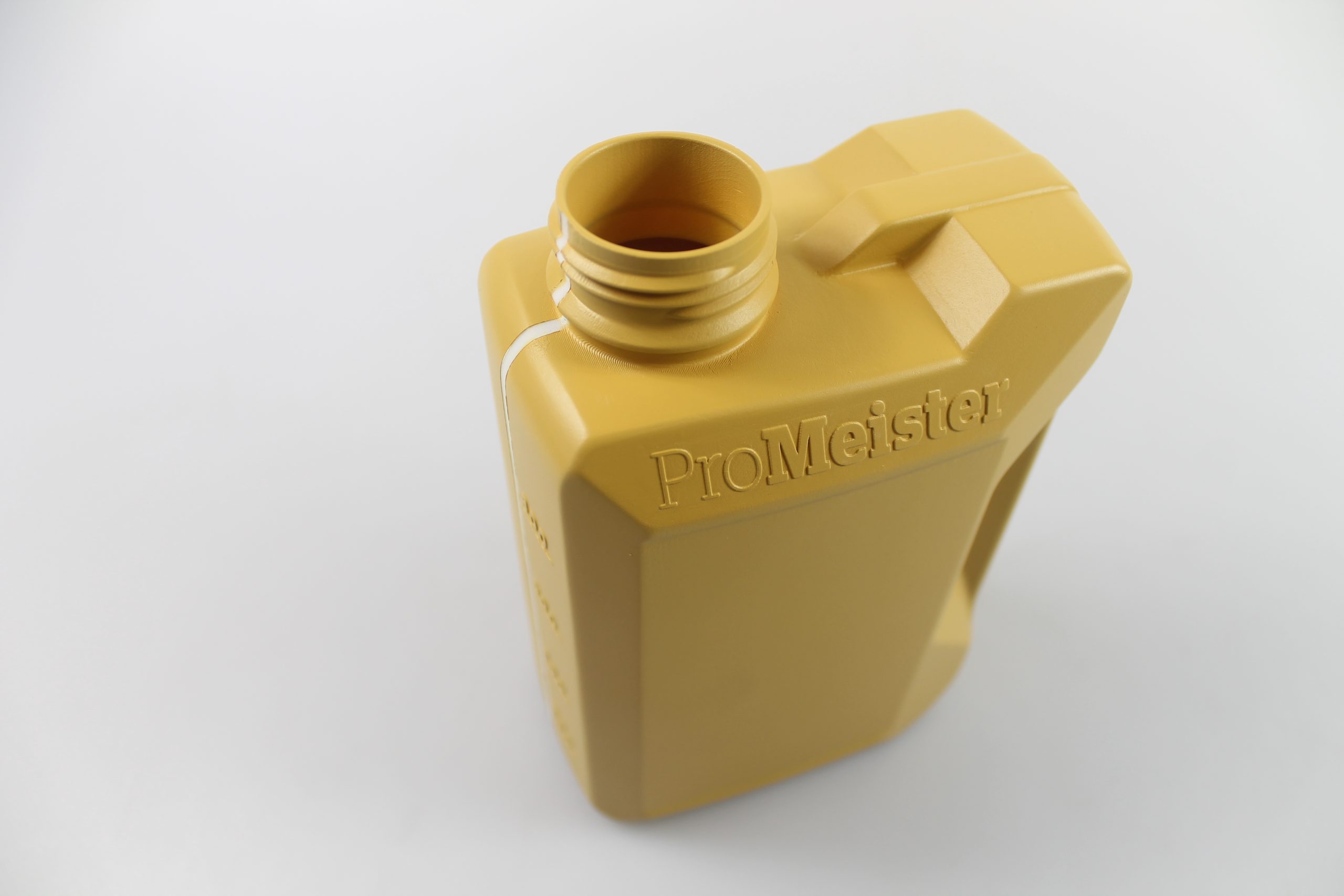
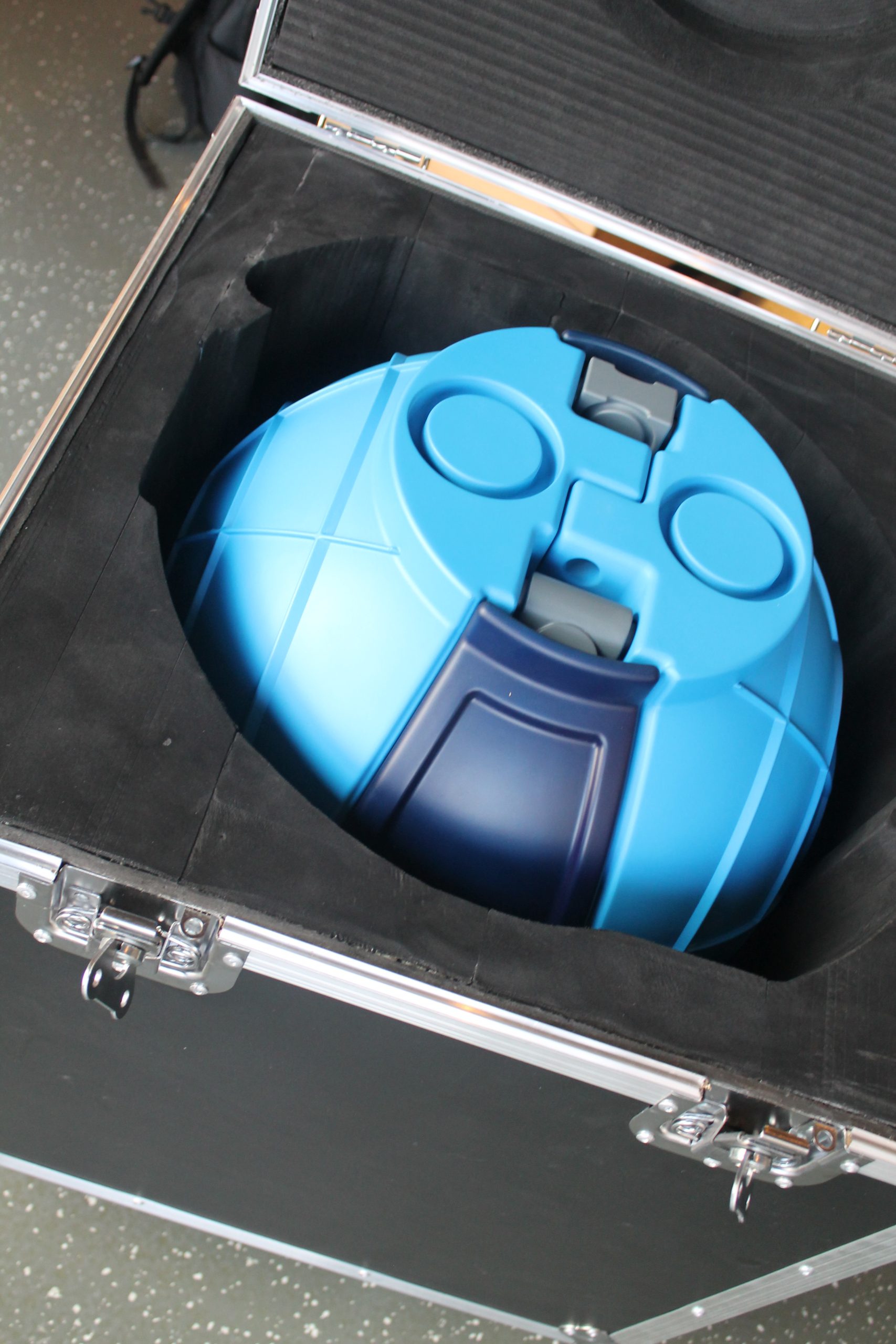
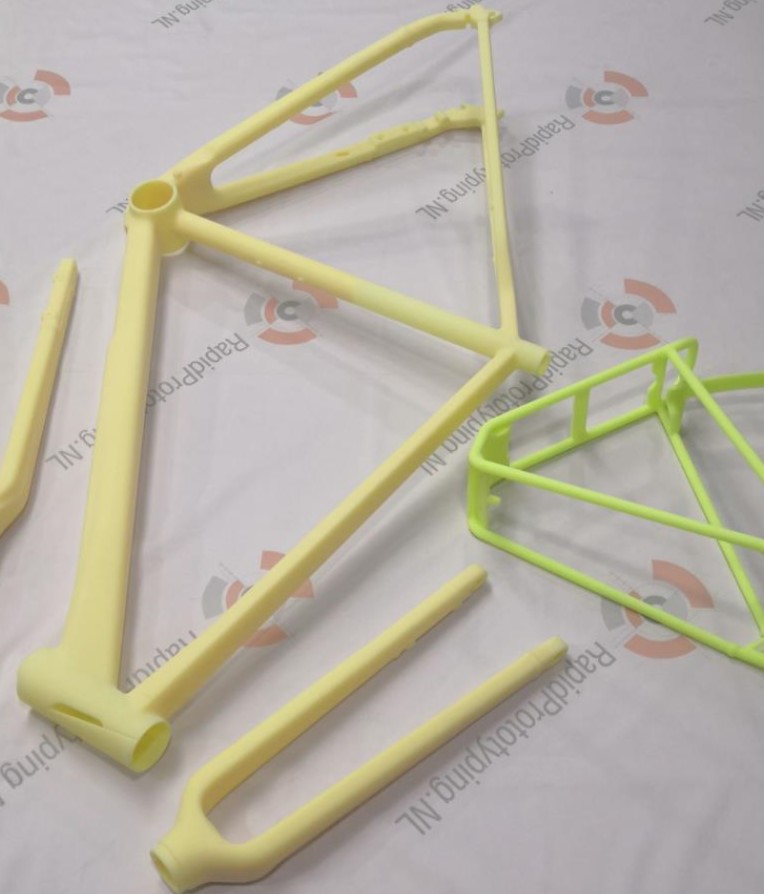
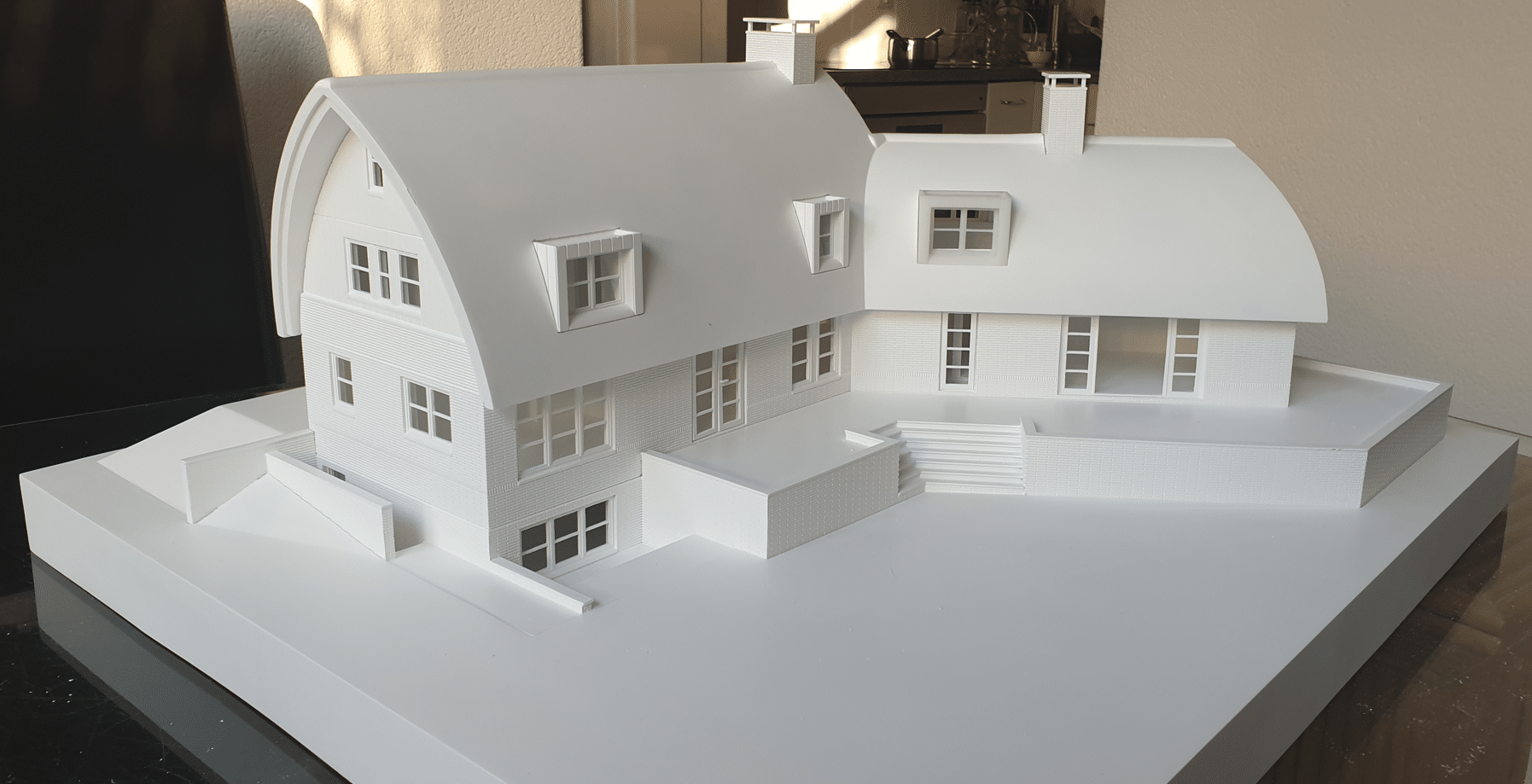
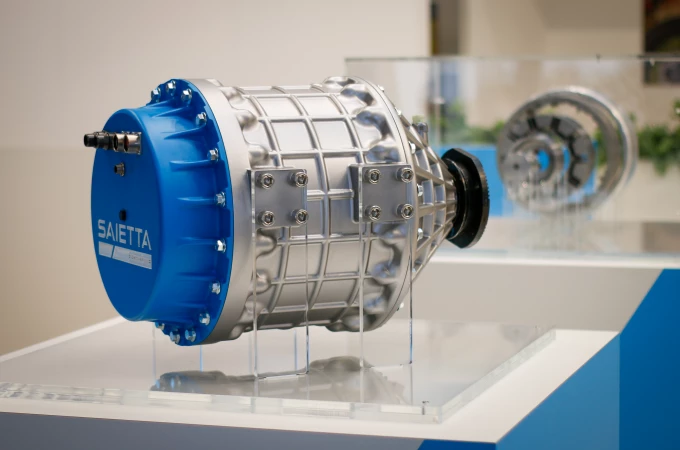
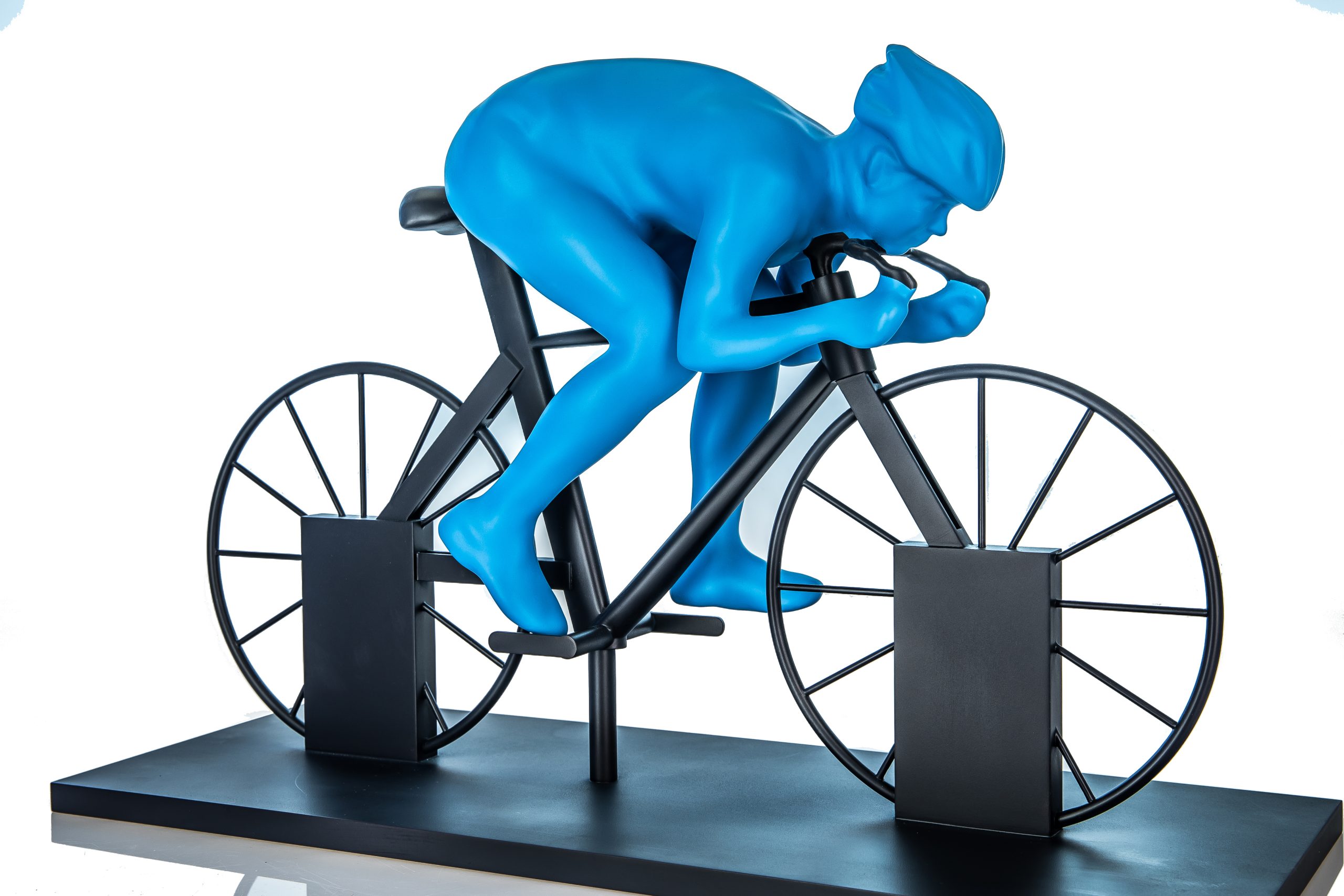
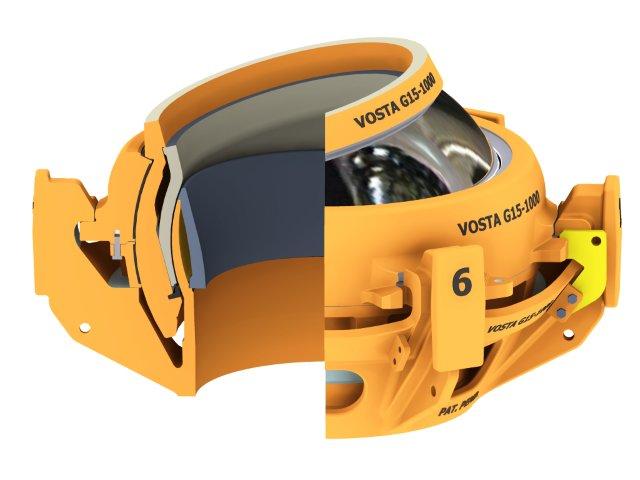
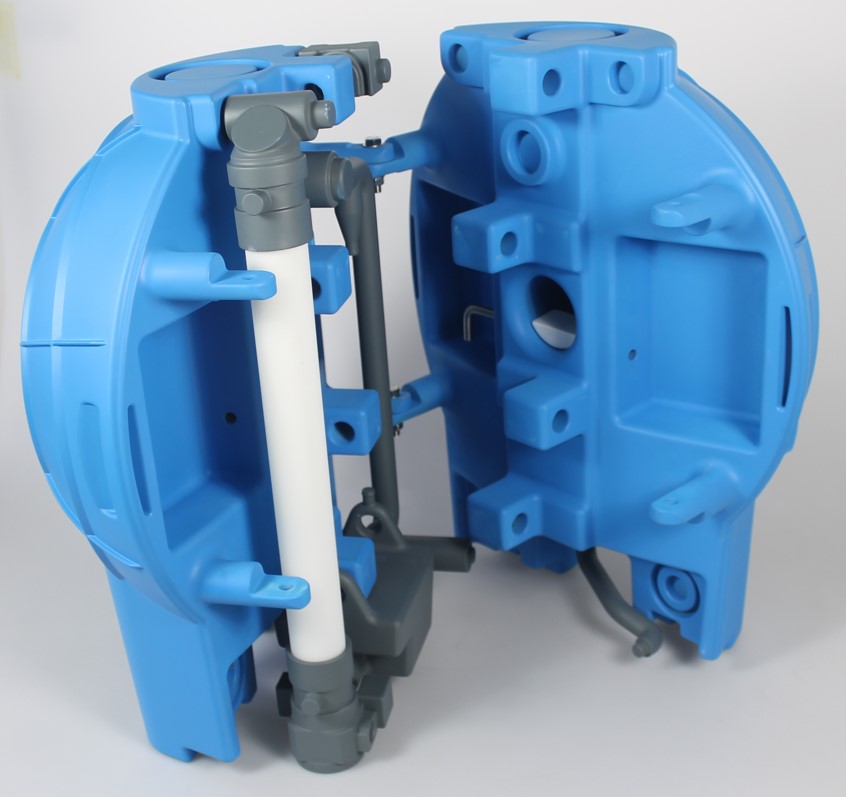
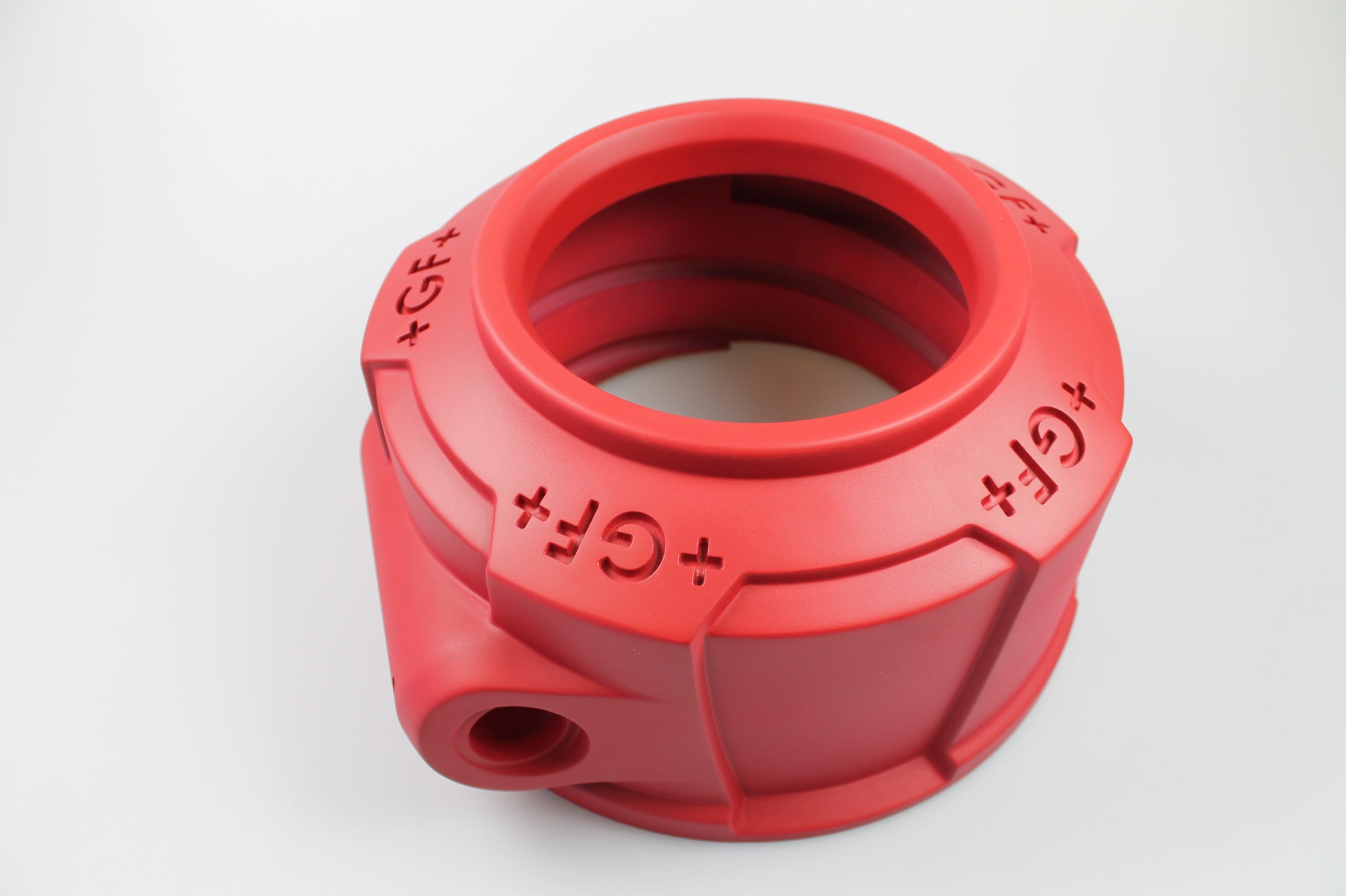
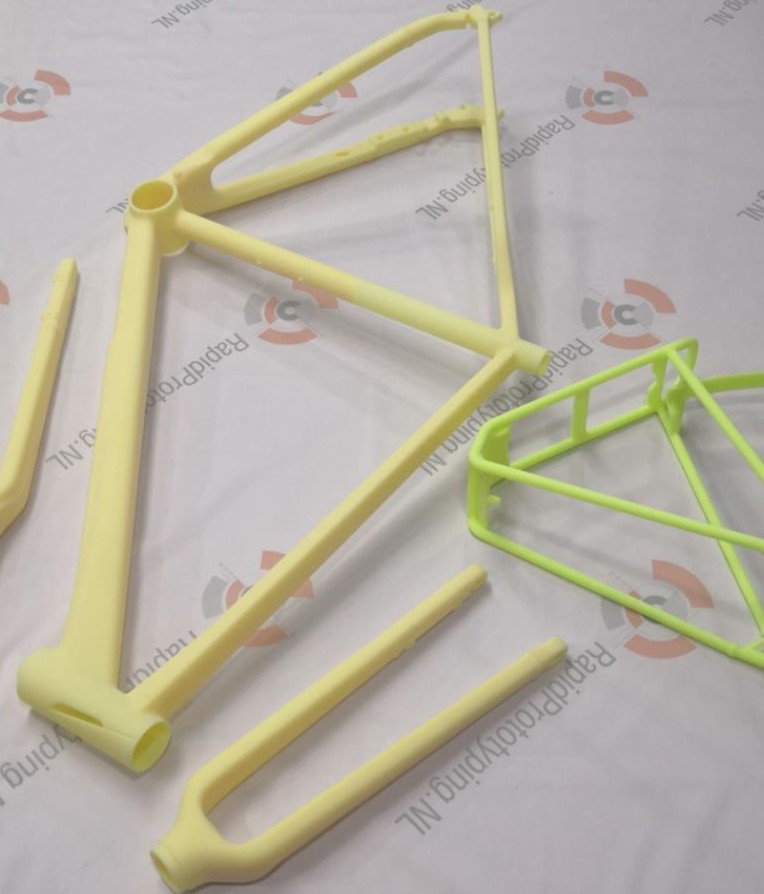
The SLA technique was once the first and only 3d printing technique available (1983). It is still one of the most accurate techniques for creating products and prototypes using 3D printing technology. The main application of this technique is the production of master models for vacuum casting. We also produce many scale models, single piece dummies of injection molded parts, bicycle frames and housings.
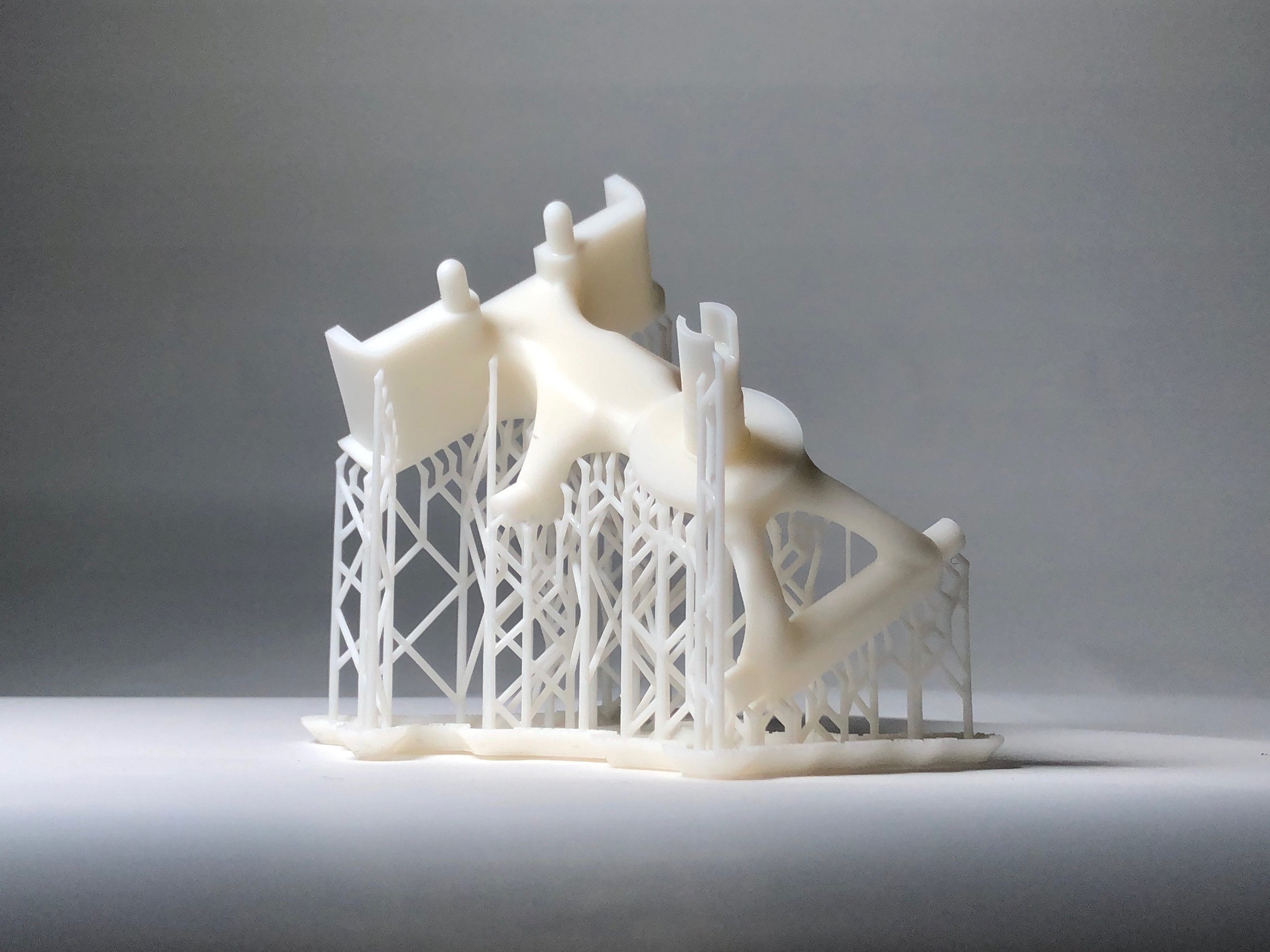
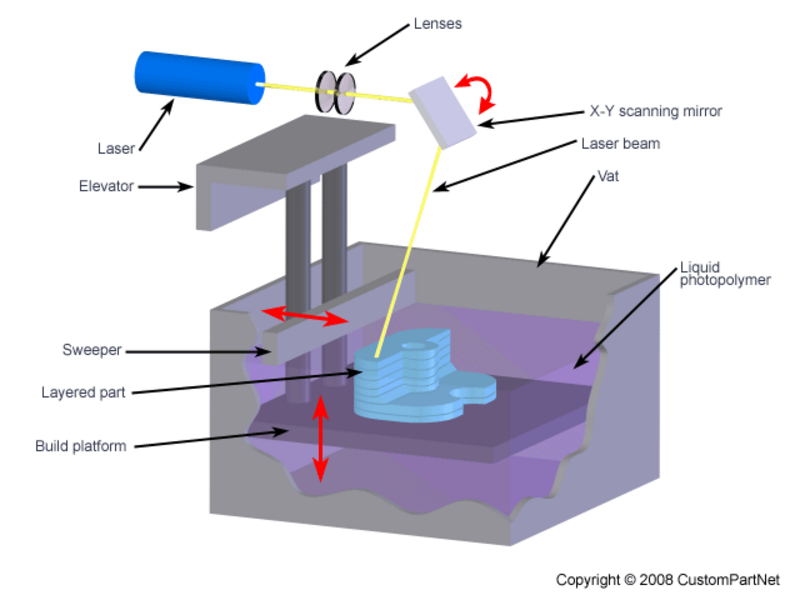
In the SLA process, a UV-sensitive liquid polymer is cured layer-by-layer by means of a UV laser. Overhanging geometry is supported by so-called support structures from the building platform. These support structures make contact with the original model to be realized by a few tenths of a millimeter. Thus, the physical model is literally in building risers on the building plate.
Once the 3d printing process is complete, the whole is taken off the build plate, rinsed in an alcohol-like solution and placed in a UV curing oven for a short time to achieve good final strength. SLA material is mechanically somewhat similar to the properties of ABS plastic. Many of the supports have already fallen off the model or have been removed before; the remaining supports can be easily removed by hand and light tooling. All SLA parts that we 3d print, we standard smooth finish the parts which make them ready for shipping. Please note that the use temperature of SLA materials are often limited. Also, natural products will eventually yellow and harden under the influence of UV. This can be prevented by coating parts by color, which prevents UV radiation from reaching the material.
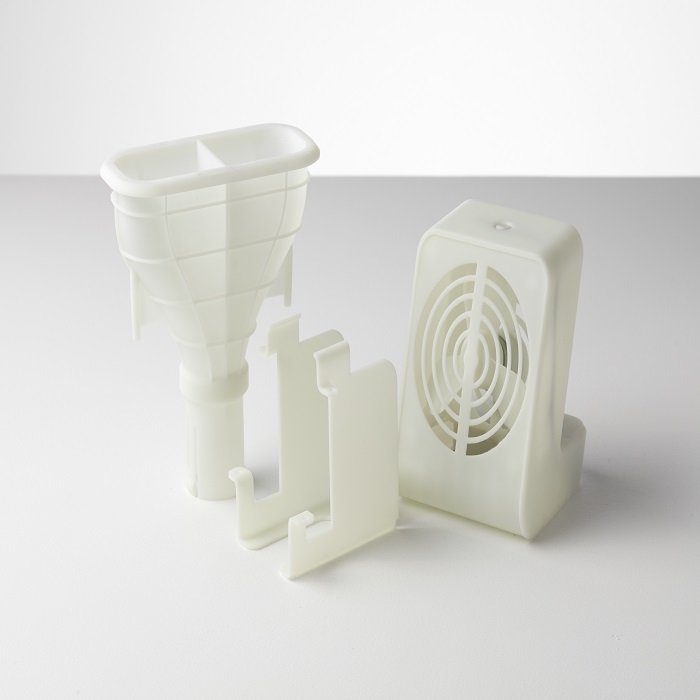
SLA realizes very accurate products. In combination with the nice smooth finish, it makes that we often use this technique to make master models for our vacuum casting molds. But also for realization of physical products it is a good technique and above all very affordable on larger dimensions compared to for example FDM or SLS.
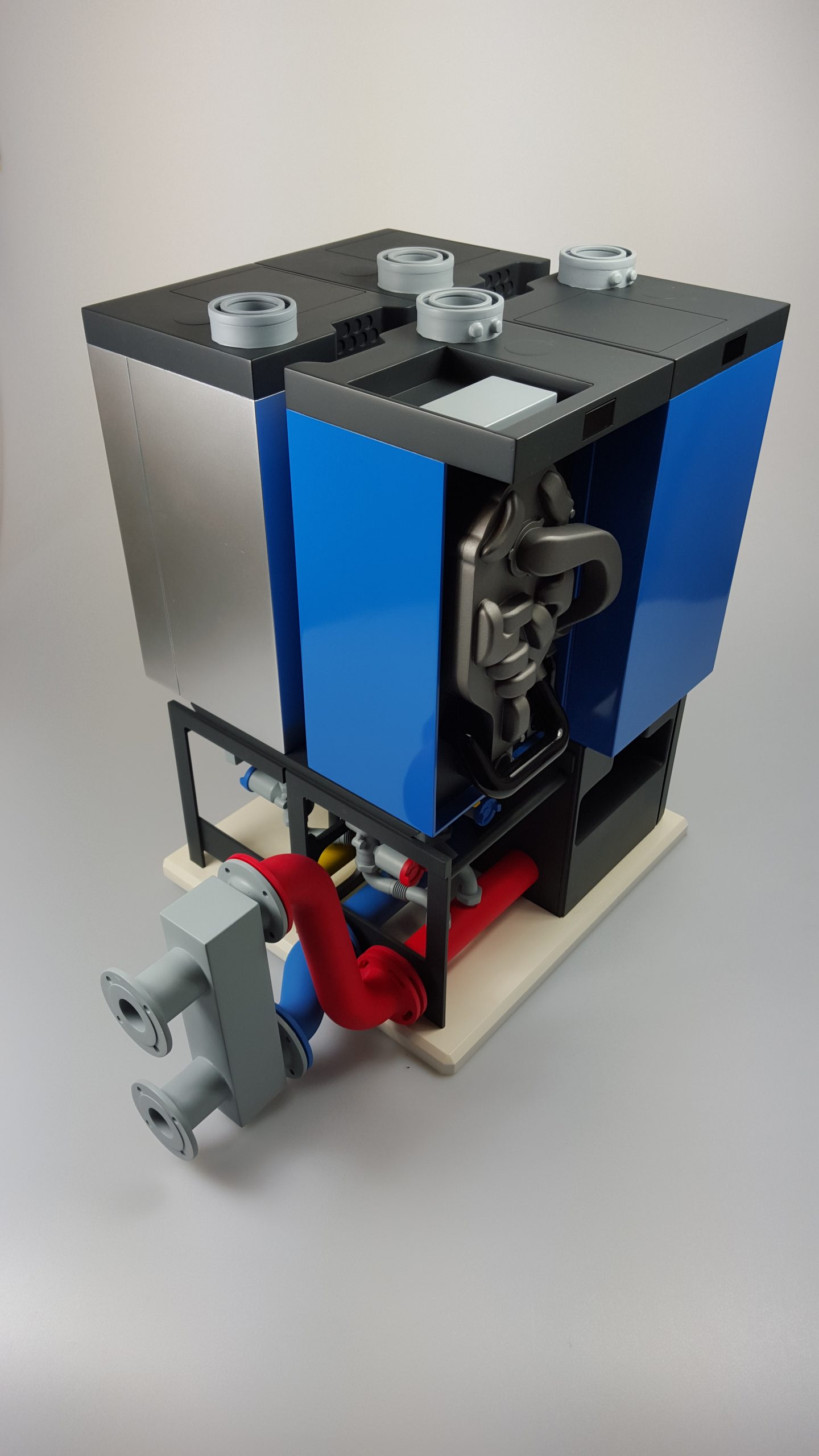
With SLA, we can realize lifelike parts that are hardly distinguishable from real-life products. The ideal and affordable way to make products tangible or introduce them without actually already being produced or having invested in molds, for example. Think of product presentations, trade show introductions, scale models and mockups for photography (appliances, bicycles, housings etc.)
Because we have large and small machines, we can already start on single piece products. Because there is always some curing, finishing and post-treatment needed, it is not the 3d printing technique with the shortest delivery time (average 5-6 working days) but with the most beautiful and accurate result. Not to mention it is relatively inexpensive way of 3d printing for larger sizes and products.
Materials
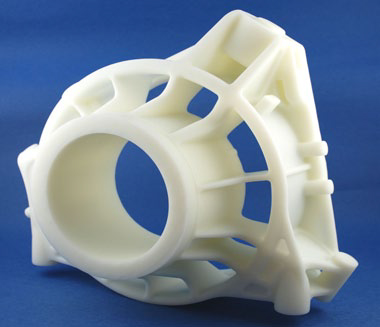
The standard material on our SLA machines is Somos GPplus material. This is an ABS like material with a white/natural color. We use this generically for master models and products. This material is also certified for medical applications on skin contact.
ABS-like SLA material is also available in black. Where the to be exposed liquid is indeed black, products will come off the machine as a very dark gray after finishing. With a thin layer of black primer coat, nice deep black parts can be realized which, if the coat is damaged, also remain nice and black underneath.
Where slightly higher temperature is required, we apply G8228 material. Typically in parts to be painted in a high gloss finish due to curing at elevated temperature in an oven.
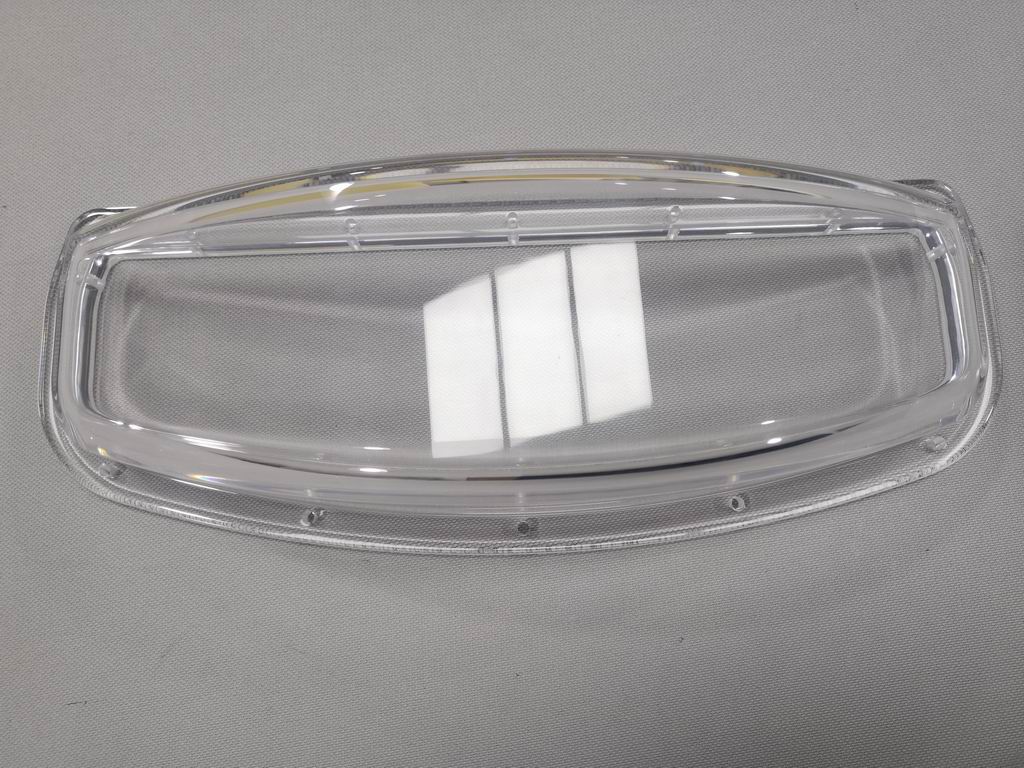
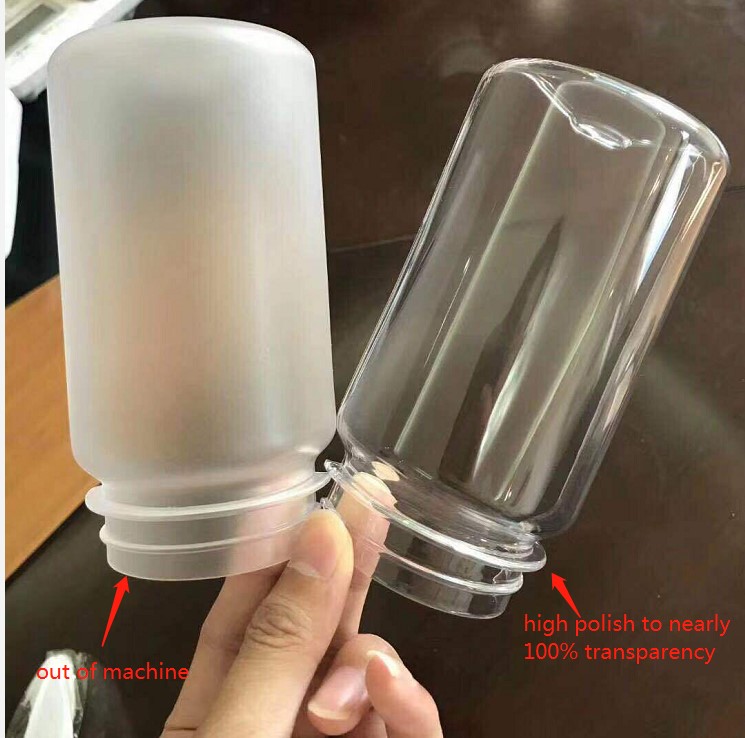
For realization of clear transparent parts, we have a material from Somos available under the name Watershed. The SLA machine produces translucent products from a crystal clear liquid. If lens parts or transparent parts are required, we can polish the parts to a high gloss to a visually transparent quality. This includes packaging, light guides, displays, lenses, etc. Please note that with prolonged UV exposure, e.g. outdoor use or lighting (fluorescent), the material may yellow slightly over time.
Finishes
As indicated earlier, SLA parts can be finished in many different ways. This scope includes color coating, structure coating (VDI), EMC shielding, chrome plating, soft touch coat, primer coat. But also CNC finishing, addition of screen print details and logos, metal wire inserts or 2k hard/soft prototypes in combination with vacuum casting.
If you have a specific requirement, please let us know with your inquiry. As prototypers, we are creative and skilled in working toward and around a requested result.