
TPU filament
At Rapid Prototyping, we use TPU filament primarily for flexible prototypes where shape, ductility and design validation are important. With TPU printing, we can realize parts that are stretchable, resilient and wear-resistant. Ideal for engineers who want to quickly test how a flexible part behaves. View our selection matrix to determine the best material for your project.
Although TPU material is excellent for prototyping, for functional end parts we usually use vacuum casting with rubber-like PU, because of its higher accuracy, waterproofness and reliability. This way, we always guarantee the best result for your application. Upload your 3D file and instantly calculate the cost of your TPU prototype. Don't have a 3D file? Please contact contact us directly.

Fast and accurate
Our processes are designed for speed without compromising on precision. This provides you with functional models that fit exactly within your design at lightning speed.

Affordable
We combine efficient production with smart planning, so you never pay too much. That way you get the most out of your budget, with no surprises afterwards.

Good quality
Our parts meet high standards and are suitable for functional testing and end use. Every detail is checked for dimensional accuracy, finish and strength.

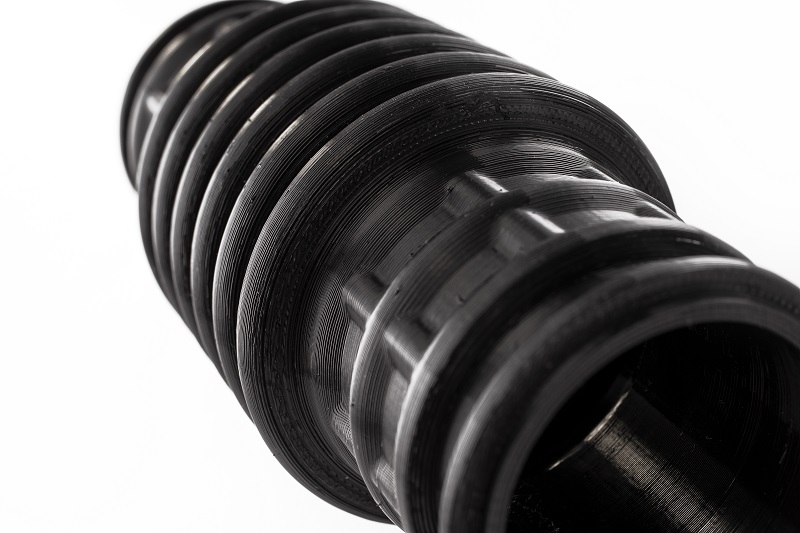

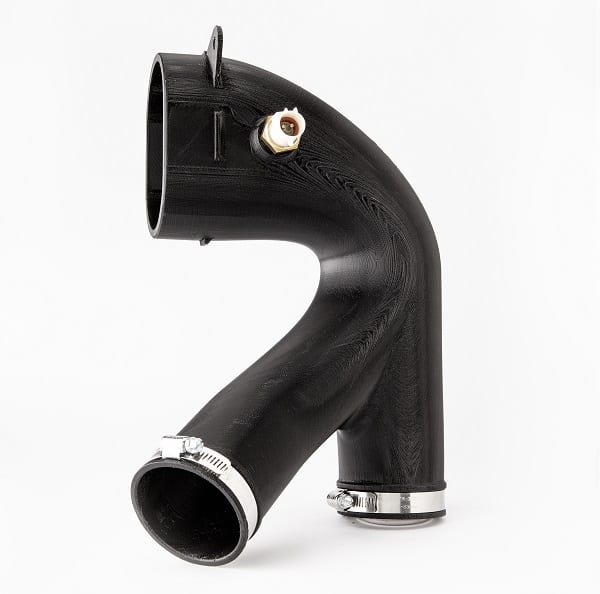
What is TPU and when do you use TPU filament?
TPU stands for Thermoplastic Polyurethane: a flexible, elastic and abrasion-resistant material widely used for printing parts that can bend or stretch without tearing. TPU filament is a versatile 3D printing material that combines the advantages of rubber-like materials and plastics. At Rapid Prototyping, we use TPU filament primarily when flexibility and shape validation are important during the design phase. Think of dampers, flexible clips, protective covers and sealing concepts.
For truly functional flexible parts, for example waterproof components, rubber gaskets or parts with a perfect cosmetic finish, we almost always choose vacuum casting. This is because TPU printing has limitations in dimensional stability and surface texture. Plan your consultation.
Advantages of TPU filament for prototyping
- Flexible and stretchable: TPU material can bend and deform extremely without breaking. This makes it ideal for testing how a part behaves when loaded, bent or twisted.
- Wear and tear resistant: TPU filament resists abrasion, stretch and mechanical stress. This allows you to functionally test prototypes without the material wearing out immediately.
- Chemical resistance: TPU is resistant to oils, greases and certain chemicals. This makes it suitable for testing early in the development process whether a design can withstand the environment in which it will later be used.
Note: For real end products, repetitive loading or waterproofing, we rely on vacuum casting with PU. This gives a neater finish and a more reliable part.
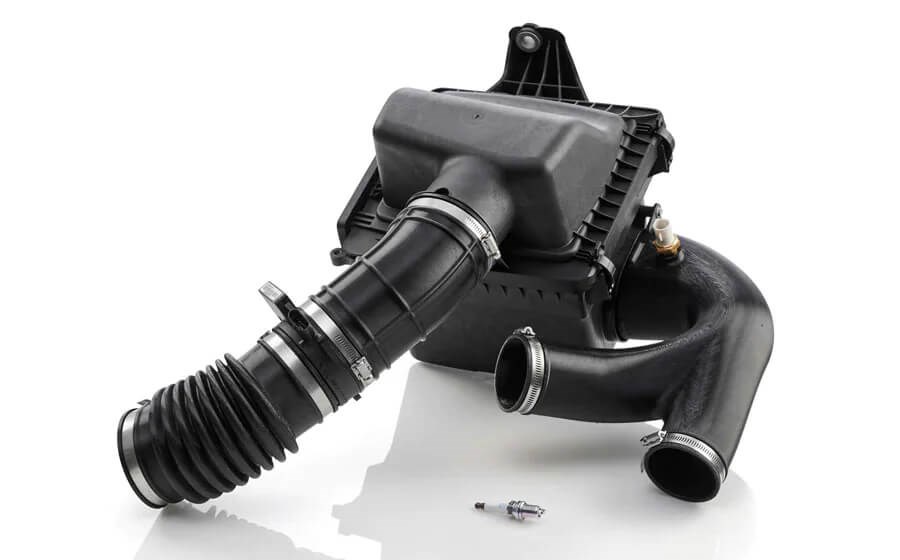

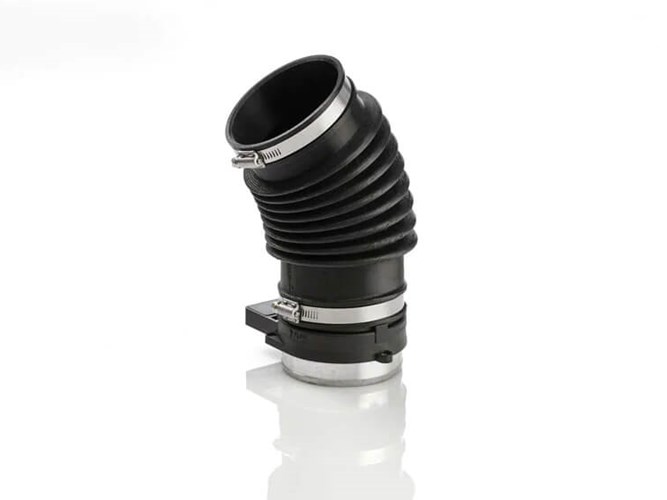
Request a quote directly
for your 3D printing project with TPU
Want to get started with TPU printing for flexible prototypes? Upload your 3D file via our online calculator and get a quick price indication. Our experts will gladly advise you whether TPU material is the right choice or whether vacuum casting provides a better end result in your case. Take a look at our selection matrix to determine the best material for your project. Start TPU prototyping right away at Rapid Prototyping: flexible, fast and reliable. Don't have a 3D file? Then contact us directly contact us directly.
Applications of TPU filament
- Prototyping in automotive and mechanical engineering: For flexible test parts, such as concept seals, housing parts or shock absorbing elements.
- Product development of consumer products: For example, developing phone case concepts, handles, protective edges or soft-touch parts.
- Testing moving components: Where you want to understand how a part behaves under pressure, flexure or repetitive motion.
TPU printing is ideal for quickly testing design variants before moving to a final production technique such as vacuum casting.
Examples from our practice
We have used TPU for numerous prototype projects, from flexible clips and bumpers to concept seals for test fixtures. In almost all cases, our customers used TPU to validate the design, after which we produced the final parts via vacuum casting in rubberized PU.
TPU filament versus other materials: when to choose TPU?
TPU printing is your choice when flexibility is key during the design phase. It is ideal for prototypes that need to bend, stretch or cushion. PLA or PC/ABS (rigid materials) you use for parts that need to be dimensionally stable and not flexible. TPU you use precisely when there is movement, contact or shock absorption in the design. For functional end products that need to remain flexible, TPU filament is less suitable due to:
- Limited surface quality
- More difficult printing process
- Lower dimensional stability
- Not waterproof
In those cases, we almost always recommend vacuum casting in PU. With better aesthetics, strength and reproducibility. More questions? Plan an informal consultation.
Frequently asked questions about TPU
How flexible is TPU material?
TPU is extremely flexible and can bend repeatedly without breaking. This makes it ideal for prototypes where stretchability, cushioning or bending behavior needs to be tested. Flexibility depends on hardness, but TPU printing produces highly elastic results in all cases.
What are the advantages of TPU filament over other materials?
TPU combines the stretch of rubber with the durability of plastic. This allows you to quickly create prototypes that exhibit more realistic behavior than rigid materials such as PLA or PC/ABS. TPU's grip, resilience and abrasion resistance make it unique for testing in early development stages.
Is TPU printing suitable for finished products?
For end use, we usually do not recommend TPU printing. The material is difficult to print waterproof, less dimensionally stable and often gives a less tight finish. For functional flexible parts, we usually use vacuum casting with PU, which gives a much better end result.
What is the best use for TPU filament?
Use TPU to prototype flexible parts: sealing concepts, hoods, grips, sleeves or dampers. Ideal for testing the design before moving to a manufacturing process that offers higher accuracy.