
SLA 3D printing
At Rapid Prototyping we specialize in advanced 3D printing techniques such as SLA 3D printing (Stereolithography). SLA uses a laser to harden liquid resin layer by layer to produce a precise and smooth finished product. This technique is ideal for producing high-precision prototypes and parts. Our SLA 3D printing service offers companies a fast and cost-effective solution for complex projects, using high-quality materials for the best results. Thanks to our years of experience, high-quality resins and modern equipment, we can quickly and reliably support manufacturing companies at every stage of product development.

Fast and accurate
Our processes are designed for speed without compromising on precision. This provides you with functional models that fit exactly within your design at lightning speed.

Affordable
We combine efficient production with smart planning, so you never pay too much. That way you get the most out of your budget, with no surprises afterwards.

Good quality
Our parts meet high standards and are suitable for functional testing and end use. Every detail is checked for dimensional accuracy, finish and strength.

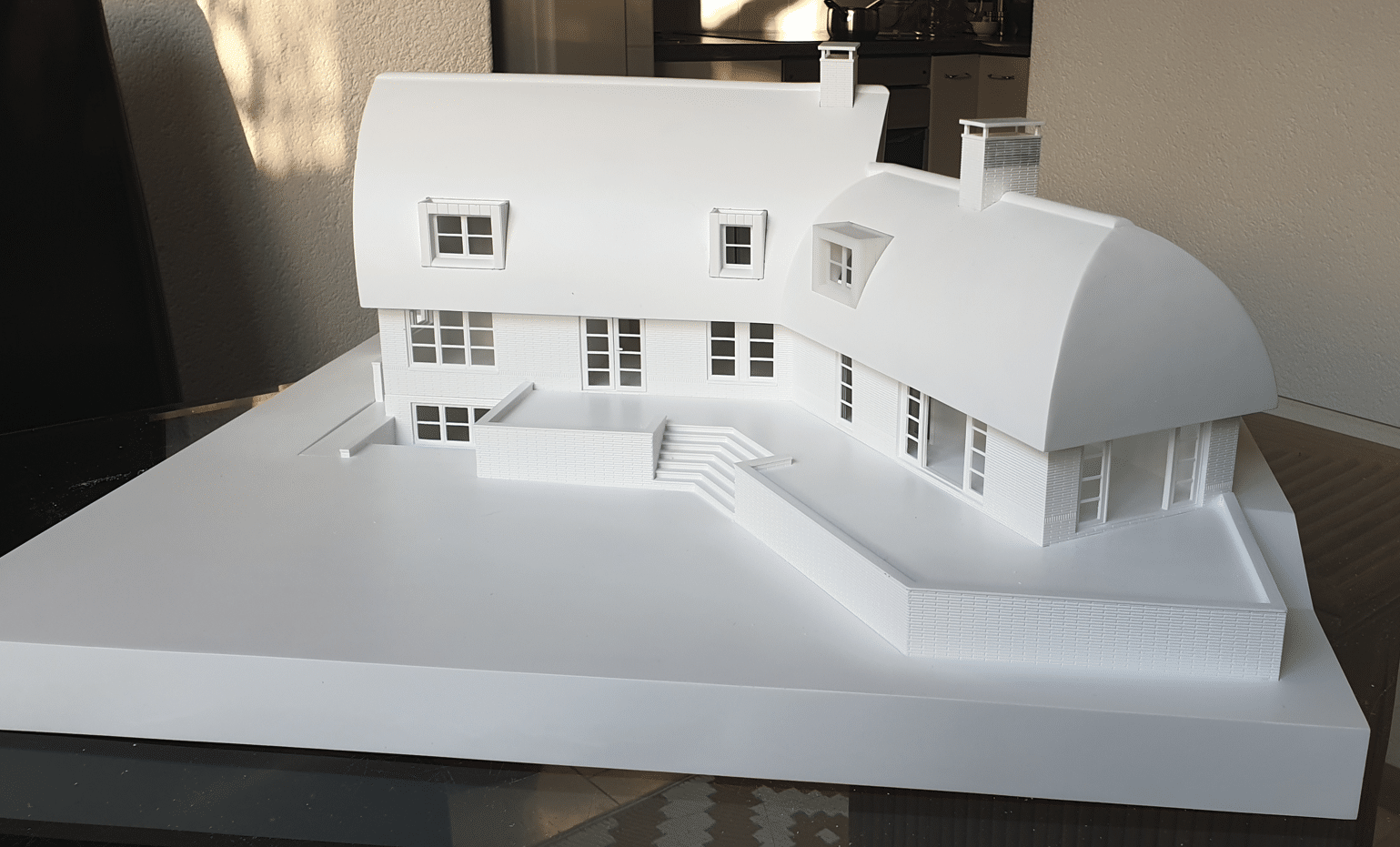
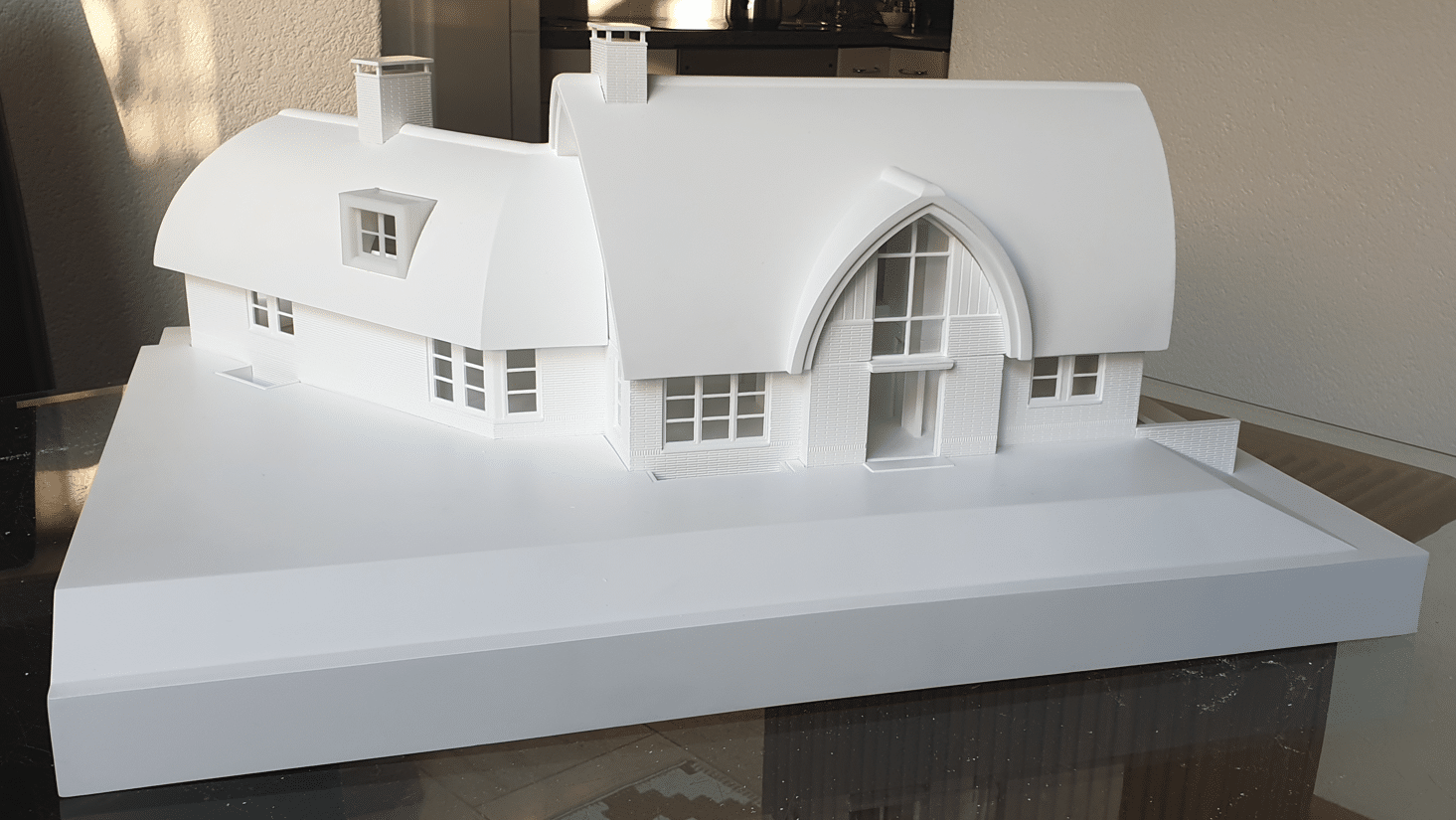
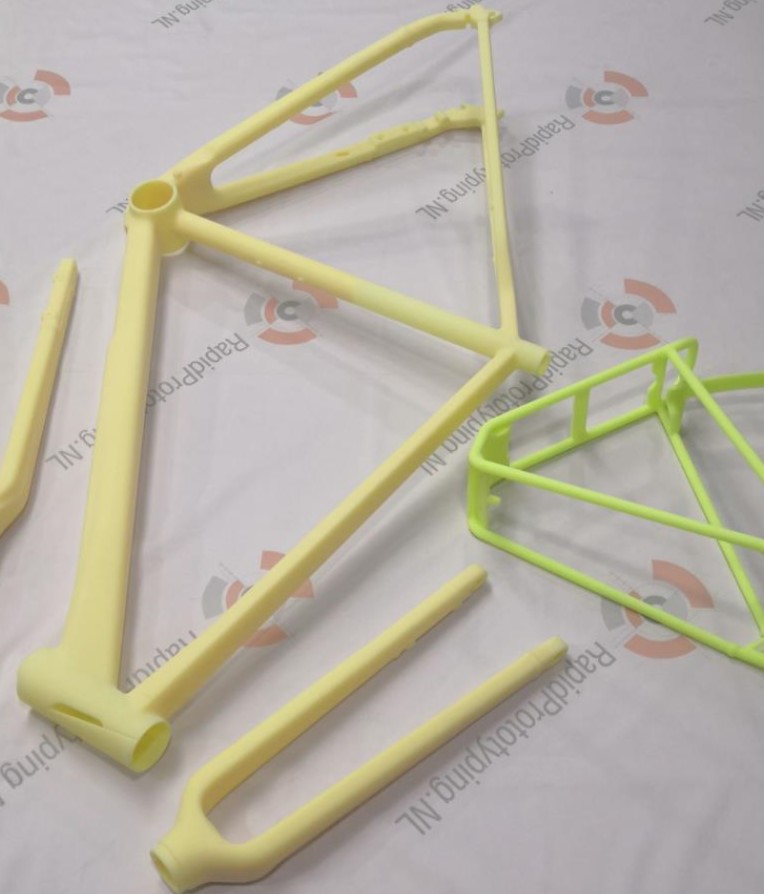
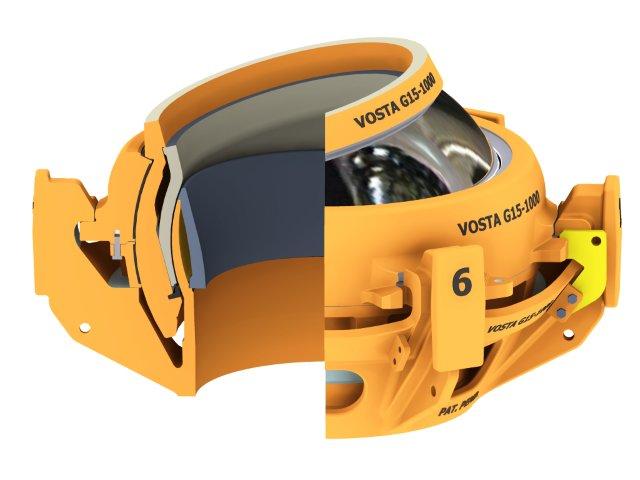
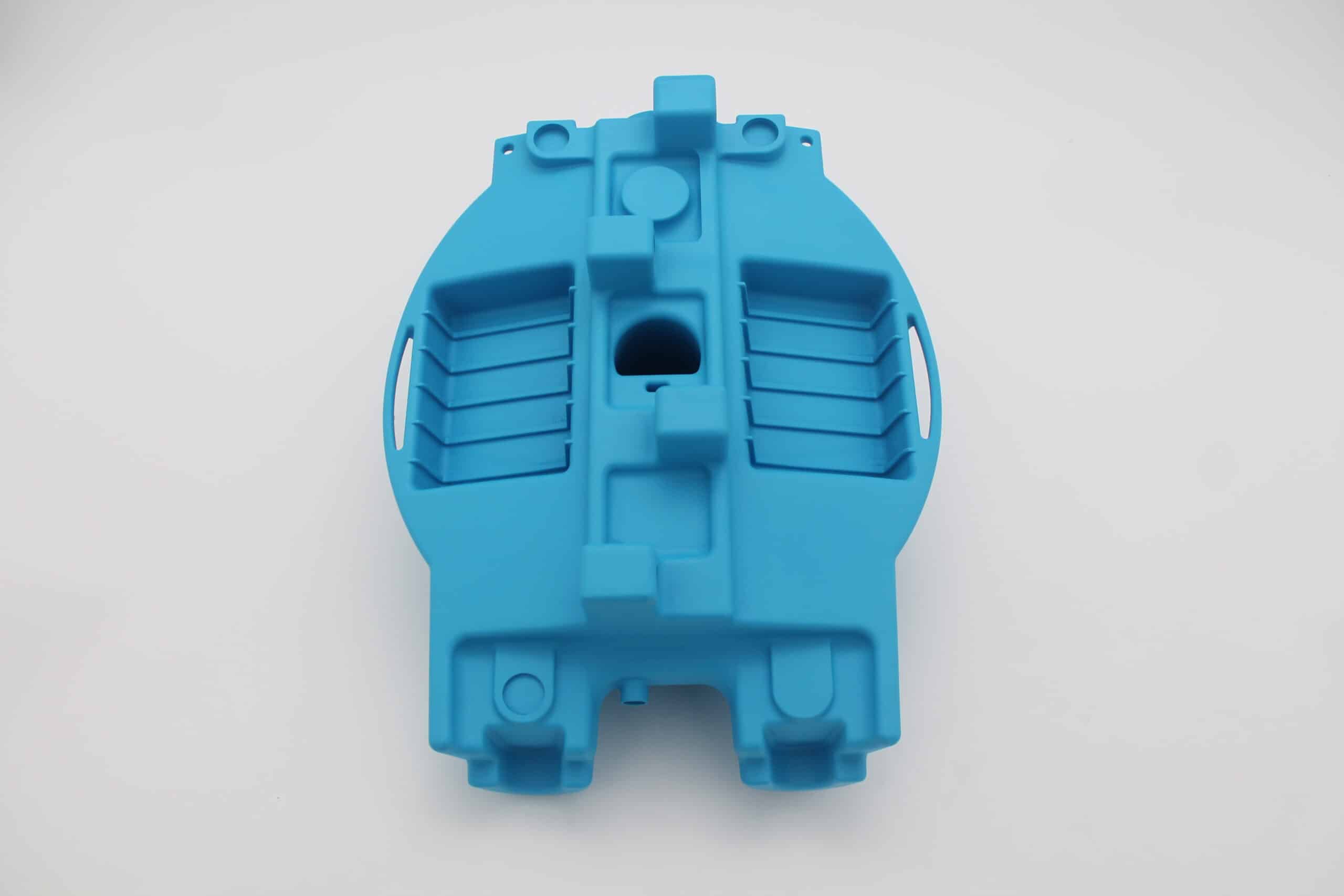

What is SLA 3D printing
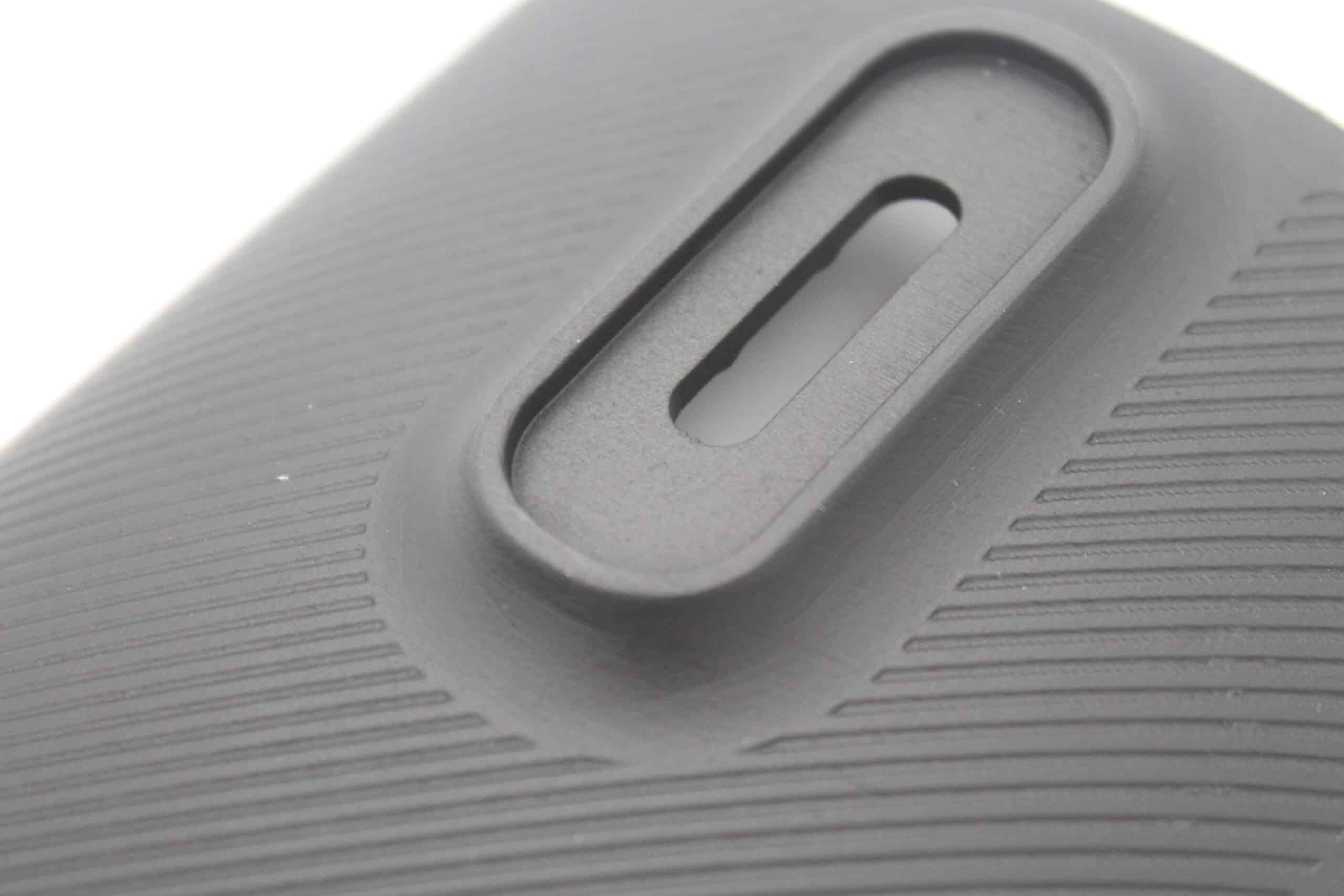
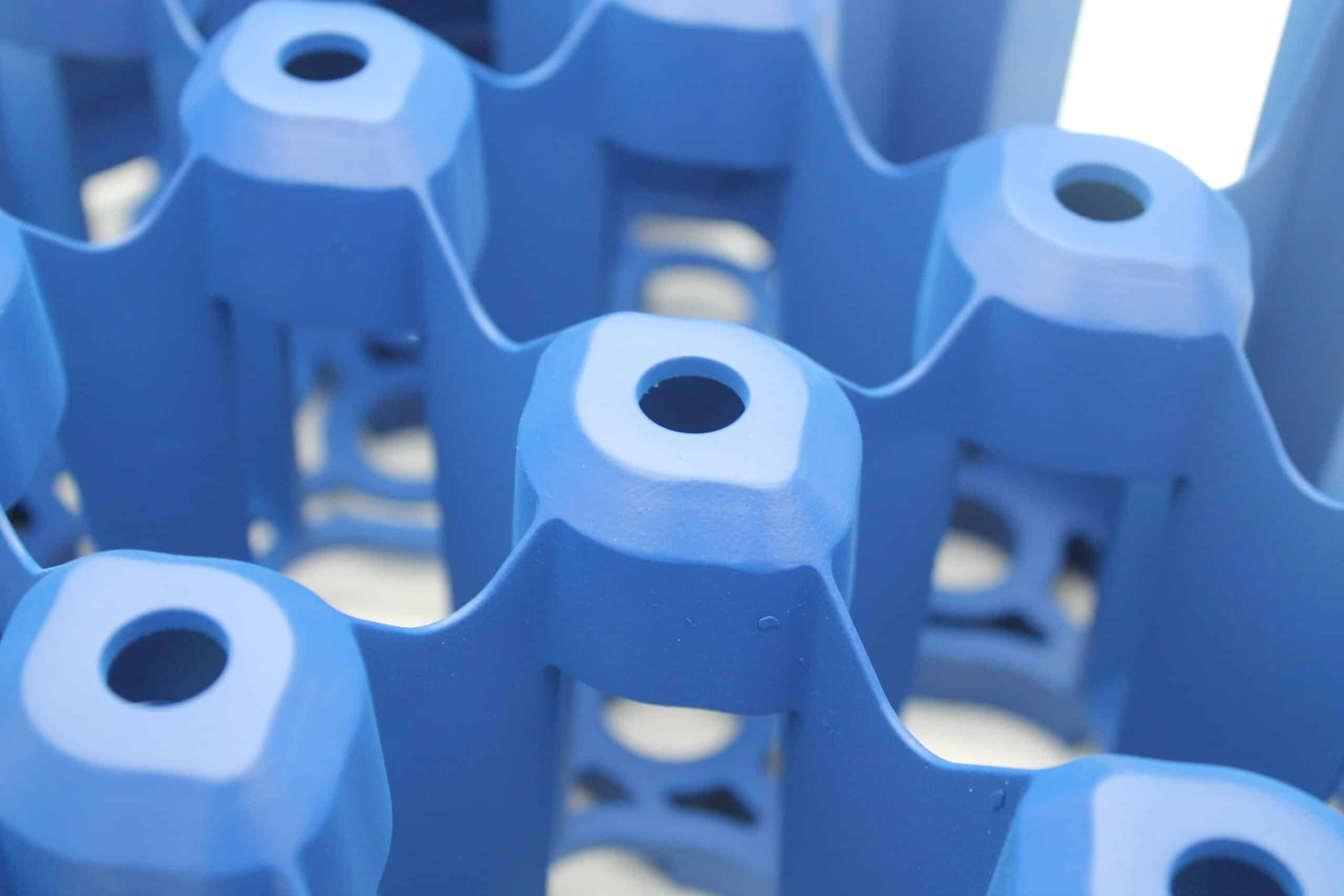
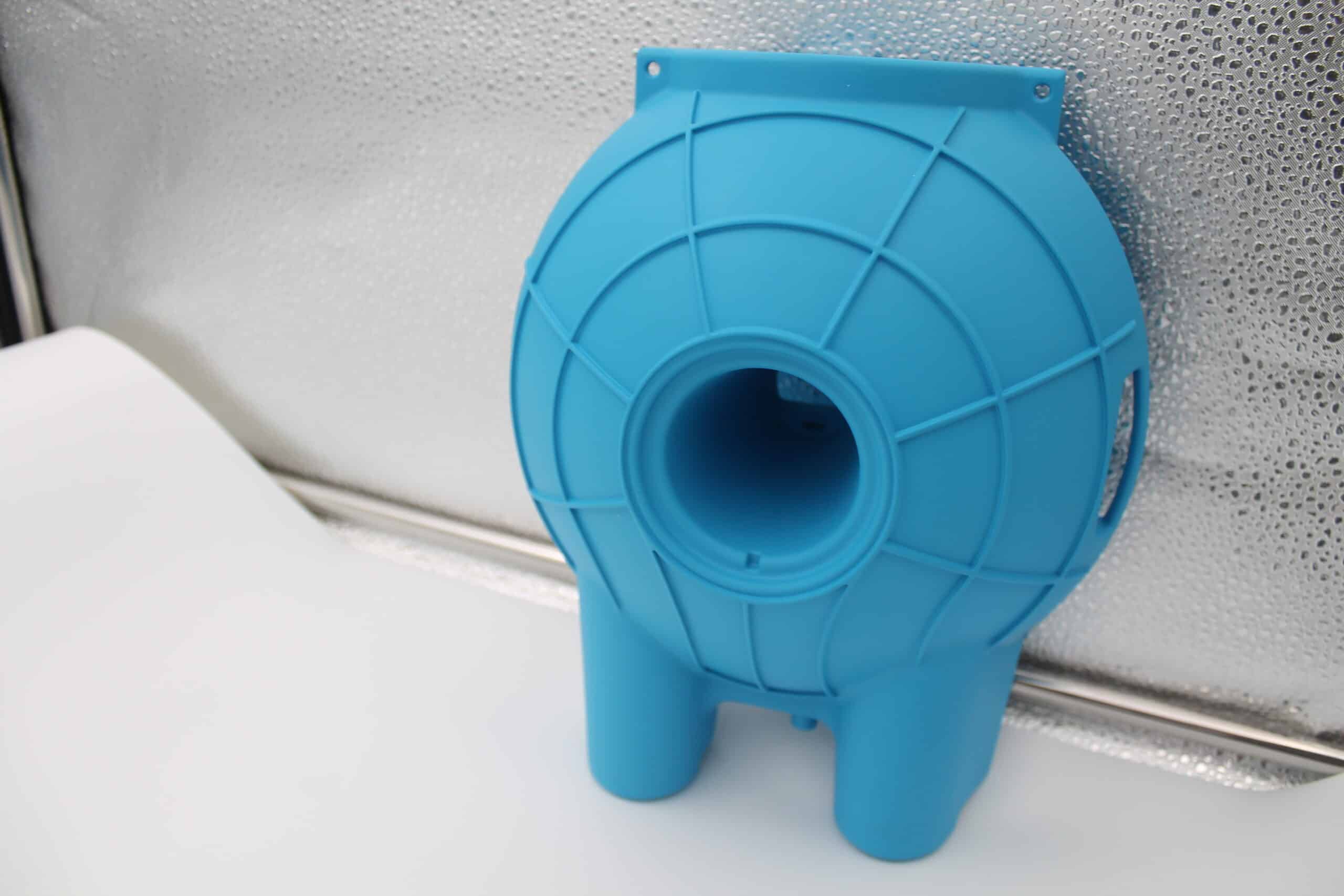
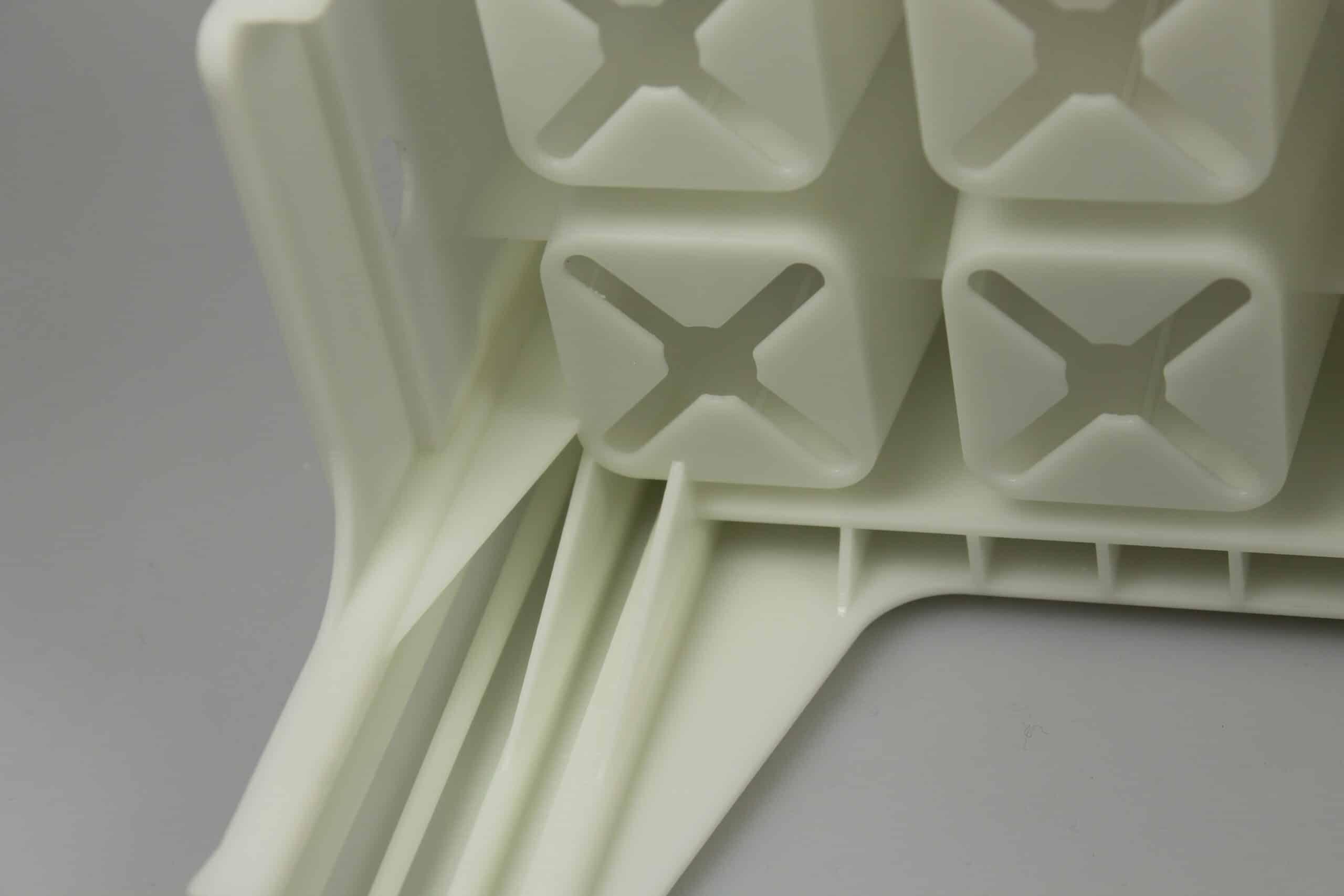
SLA 3D printing is one of the oldest and most sophisticated 3D printing techniques. The process begins with a liquid resin that is cured by an ultraviolet laser. By illuminating the resin layer by layer, a detailed and durable final product is created. This method is distinguished by its ability to achieve very fine details and smooth finishes, making it ideal for prototypes and complex designs. Compared to other techniques, such as FDM (Fused Deposition Modeling) or SLS (Selective Laser Sintering), SLA 3D printing offers precision and smoothness. This in particular makes this technique perfect for projects where accuracy is important, such as parts for mechanical engineering. Thanks to the detailed finishing that SLA enables, there are numerous applications for which this technique is ideal.
Is SLA 3D printing right for your project?
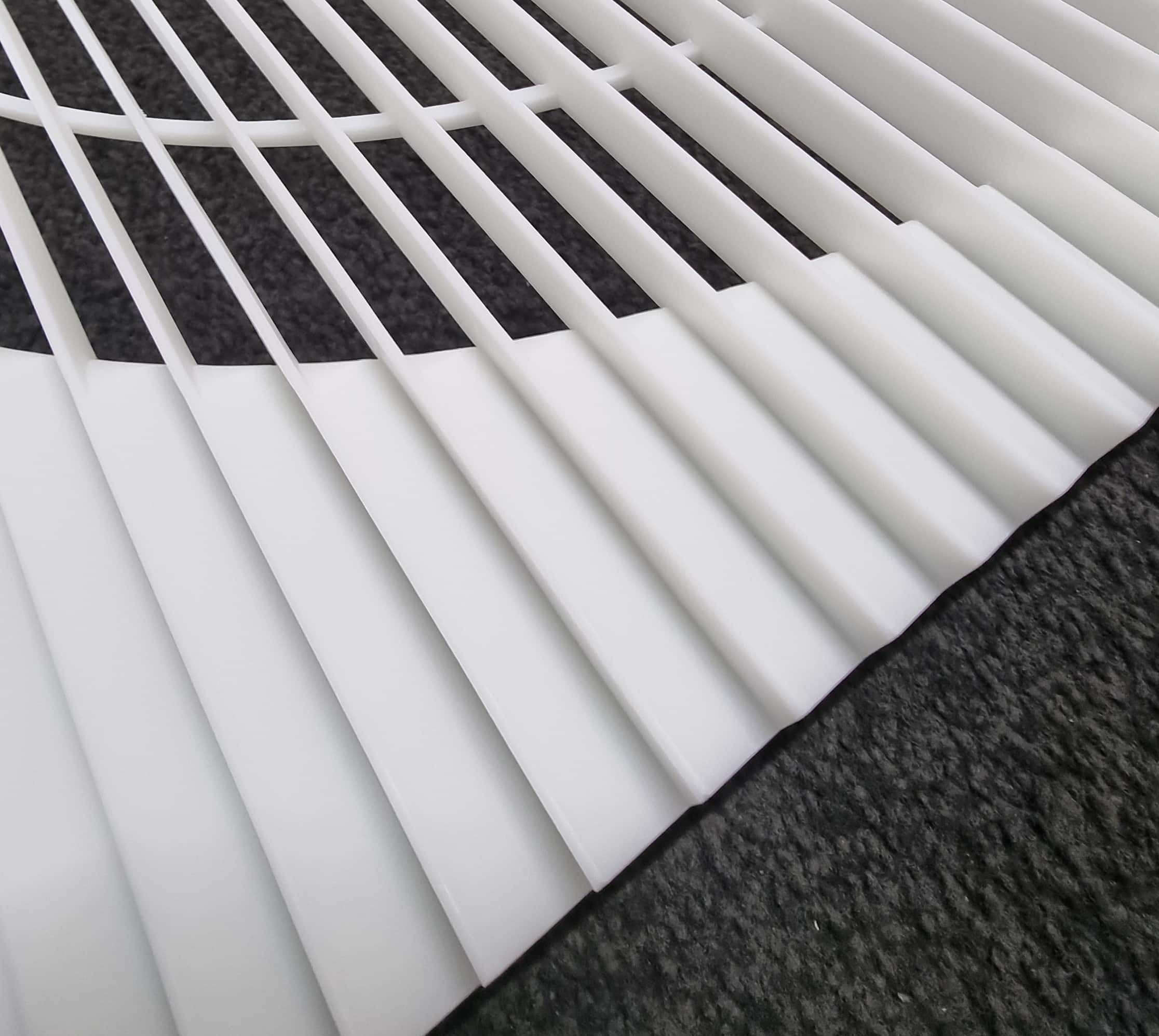
Are you faced with deciding which 3D printing technique to use? At Rapid Prototyping, we are happy to think with you. SLA 3D printing offers specific advantages that make it well suited for projects with high precision and a tight finish. The technique excels at creating prototypes and parts where level of detail and smooth surfaces are a requirement. Our choice matrix helps you determine if SLA is the right choice. Do you need highly detailed parts with a high-quality finish? Does the model need to be perfect for presentation or as a functional prototype? Then SLA may be the ideal solution for your project. Of course, there are also some drawbacks, such as limitations in material selection, but we are happy to help you make the best choice. Schedule an consultation in.

Request a quote directly
for your SLA project
Ready to take your project to the next level? Request a free no-obligation quote to. Our Rapid Prototyping team is ready to realize your ideas with the highest precision and quality. We'll make sure your project is done quickly, efficiently and with the utmost care so you can focus on what really matters.
Advantages of SLA 3D printing in Rapid Prototyping
Our professional SLA 3D printing service offers several benefits. By using our expertise and state-of-the-art equipment, you benefit from:
- Precision: SLA printing is known for its high accuracy and smooth finish. Ideal for projects where every detail counts.
- Speed: Thanks to our optimized processes, we can move quickly and ensure short lead times. This allows you to move faster in your design and development process.
- Cost savings: Outsourcing to an experienced print service like Rapid Prototyping's saves you time, resources and costs without compromising on quality.
- Quality: Our high quality materials and equipment ensure a final product that is not only visually appealing, but also meets all requirements functionally. We offer various resins suitable for a variety of applications, from visual prototypes to functional parts.
At Rapid Prototyping, we understand that every customer has a unique project. That's why we offer custom solutions to fit your specific project. Whether you need an accurate maquette, a functional prototype or a design model. We make sure the result meets your expectations.
How does our SLA 3D printing process work?
The SLA 3D printing process at Rapid Prototyping is simple and efficient. You start by uploading your 3D file via our website. Then you choose your desired technique and receive a custom quote within a short time. Once you agree, we get to work printing your part. After the printing phase, the product is carefully checked and finished so that it fully meets your requirements and expectations. Our process is designed for speed and ease of use. From the moment you upload your file to the delivery of the final product, we ensure that you are always informed of its progress. We offer support during every step of the process, so you can be sure that your project is in good hands.
Compare SLA with other techniques
SLA 3D printing offers unique advantages, but how does it compare to other techniques such as FDM or SLS? In our choice matrix you can see at a glance the differences between the various 3D printing techniques. SLA excels in precision, level of detail and a smooth surface, ideal for functional prototypes and visual models without visible layers. FDM is a cost-effective option for simple parts, but has limitations in accuracy and finish. SLS (Selective Laser Sintering), on the other hand, offers exceptional strength and freedom of form without support structures. This makes it ideally suited for solid, complex final parts or functional prototypes with high dimensional stability.
Frequently asked questions about SLA 3D printing
What does SLA 3D printing cost?
The cost of SLA 3D printing depends on several factors, including the size of the part, geometric complexity, resin material chosen, desired resolution and any post-processing. Because SLA delivers highly accurate results with a smooth finish, the cost per part is often slightly higher than techniques such as FDM, but the added value is in the quality of the final product. At Rapid Prototyping, you can easily receive a price estimate via our online calculator. For complex or serial requests, we are happy to work with you on optimization and cost reduction.
What exactly is SLA 3D printing?
SLA 3D printing (Stereolithography) is a technique in which an ultraviolet laser cures liquid resin layer by layer to form a solid object. This method produces extremely smooth surfaces and very fine details, making it ideal for precise prototypes and complex display models. Compared to other techniques, SLA offers the highest resolution for plastic parts.
Are SLA-printed parts strong enough for functional use?
SLA resin is ideal for functional testing where fit and visual presentation are key. Although the materials are highly accurate, mechanical strength depends on the type of resin selected. For parts that must withstand extreme mechanical forces, we often recommend discussing the specifications with our specialists in advance.
Have more questions about SLA 3D printing?
SLA uses a liquid resin and a laser to achieve maximum smoothness, while SLS uses a laser to fuse powder to create exceptionally strong parts. While SLA excels in visual detail and precision, SLS is often better suited for robust, functional end-use parts that do not require support structures. The choice therefore depends on the balance between aesthetics and mechanical load.
How do I request a quote for SLA 3D printing?
The ordering process at Rapid Prototyping consists of four simple steps:
1. Upload your 3D file via the website.
2. Select your preferred technique and material.
3. You will receive a customized quote.
4. Our experts will start production once you approve the quote.
We will keep you updated on the progress throughout the process.
When should I choose SLA over other printing techniques?
SLA 3D printing is the best choice when your project requires a smooth finish, high level of detail, and tight tolerances. This technology excels at:
1. Detailed scale models and display models.
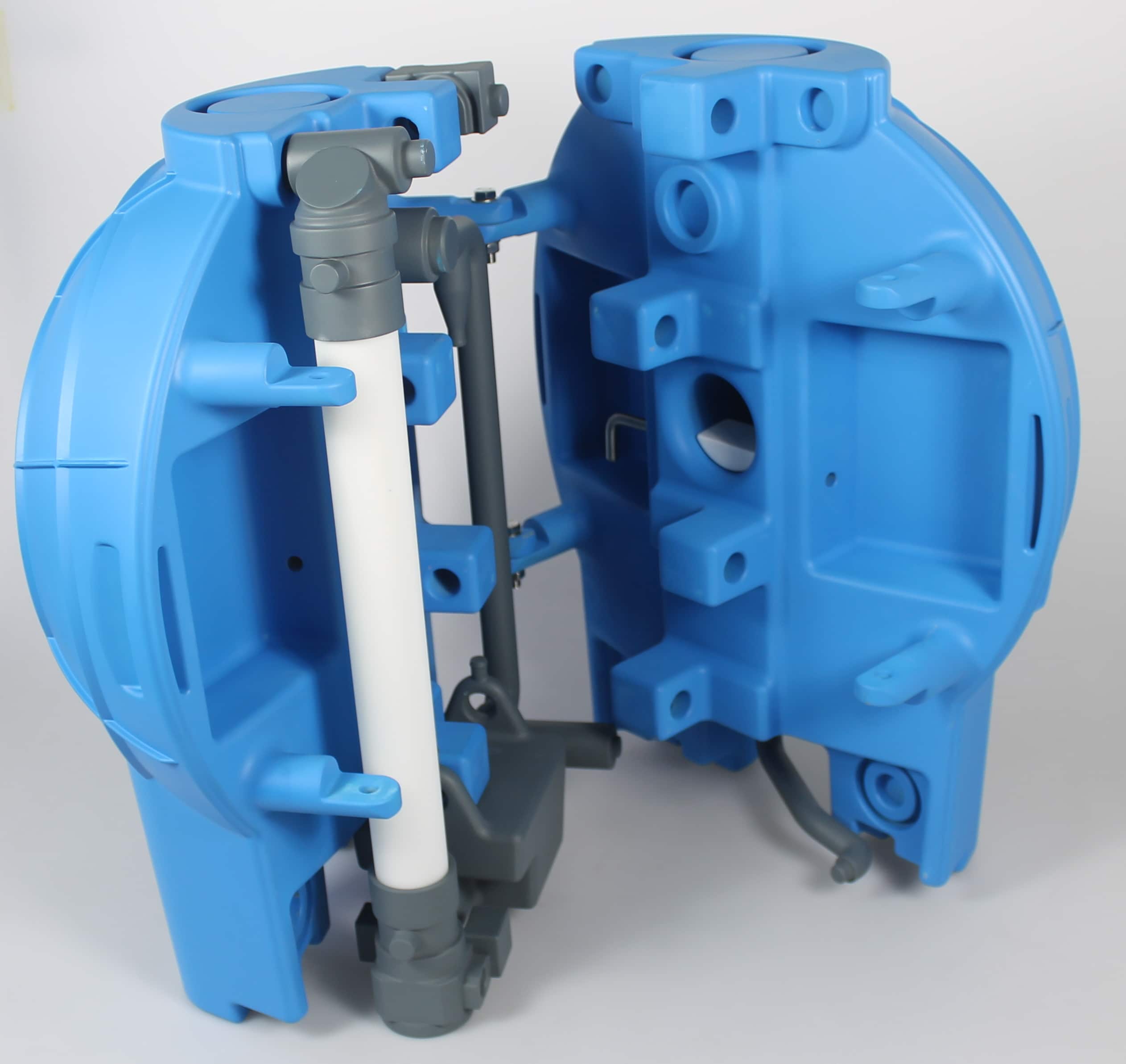
2. Fitting models for assemblies such as bicycle frames.
3. Functional prototypes with complex internal structures.
4. Products where you don’t want visible print layers.
What finishing options are available for SLA resin prints?
After printing, we remove the support structures and smooth the surface to achieve a professional finish. You can also choose from a variety of additional options:
– Coating in RAL or PMS colors
– Application of VDI textures (up to VDI 36)
– Multicolor screen printing for logos
– Installation of technical inserts
What is the maximum size for SLA 3D-printed parts?
Our SLA printers can process parts with a maximum build volume of 800 x 800 x 600 mm. For projects that exceed these dimensions, our specialists precisely bond multiple parts together. We also frequently use this approach for highly complex geometries to ensure the desired design freedom and quality.
How long is the turnaround time for an SLA 3D print?
The average lead time for SLA parts is 7 to 10 business days. For large objects or complete assemblies, we typically allow for a lead time of approximately 2.5 weeks. Rapid Prototyping adheres to these lead times to ensure precision and high-quality finishes for every project.
How precise are parts made using SLA 3D printing?
SLA 3D printing achieves extremely high accuracy with tolerances as low as 0.05 mm. However, this precision depends on the specific dimensions and geometry of your design. Thanks to the laser’s high resolution, even the smallest details—such as sharp edges and fine text—appear crystal clear in the final product.